Contemporary Murcia
From the Napoleonic Wars to the Autonomous Community
The contemporary history of the Region of Murcia reflects the profound political, social and economic transformations experienced by Spain from the early 19th century to the present day. Wars, revolutions, industrialisation, dictatorship and democracy reshaped the territory, redefining its institutions, urban centres and collective identity.


The Águilas Auditorium was designed by the Barozzi Vega studio and inaugurated in 2011.
Murcia during the Spanish War of Independence (1808–1814)
Murcia played a significant role in the Peninsular War (Guerra de la Independencia Española) against Napoleonic France. In May 1808, following the abdications of Bayonne, the uprising began in Cartagena, where the first General Governing Junta was formed. From there, the call to resistance spread to Murcia, Valencia and Granada, and to the Spanish fleet, which was ordered to return from French-controlled ports.
The region remained firmly anti-French. Floridablanca, former Secretary of State, presided over the Supreme Junta of the Kingdom of Murcia, later integrated into the Supreme Central Junta of Spain. French troops entered the region in 1810 and again in 1812, brutally sacking Murcia city and many inland towns. Cartagena, however, resisted thanks to its strong fortifications. These years were marked by hardship, worsened by a yellow fever epidemic that devastated the population.
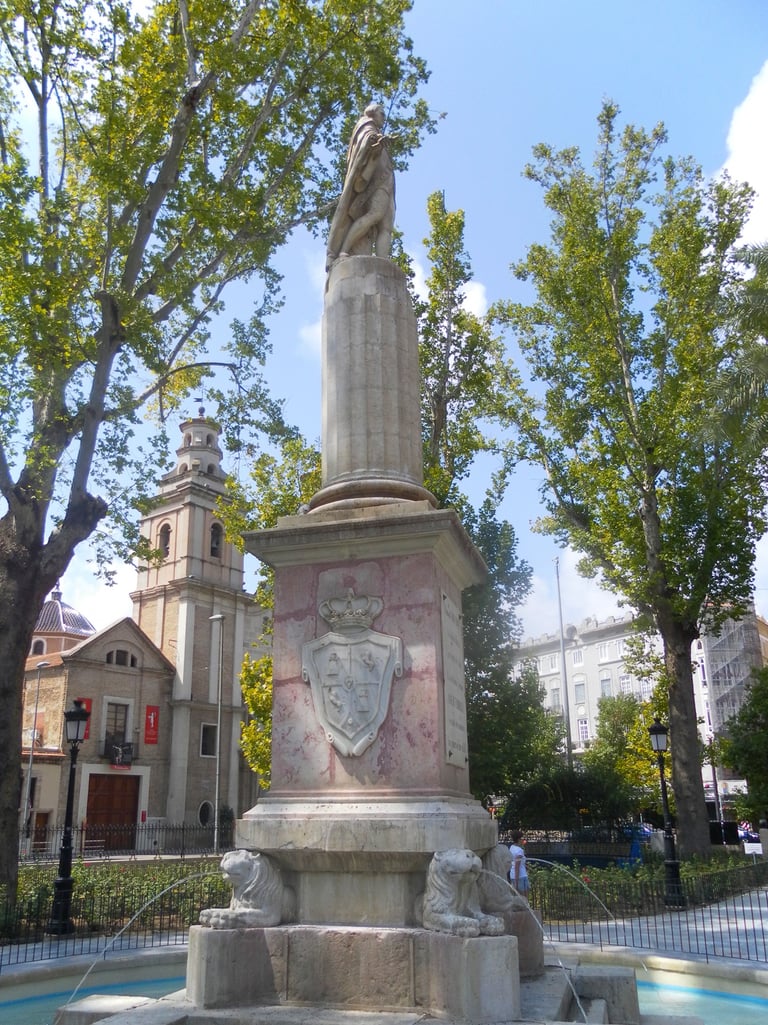
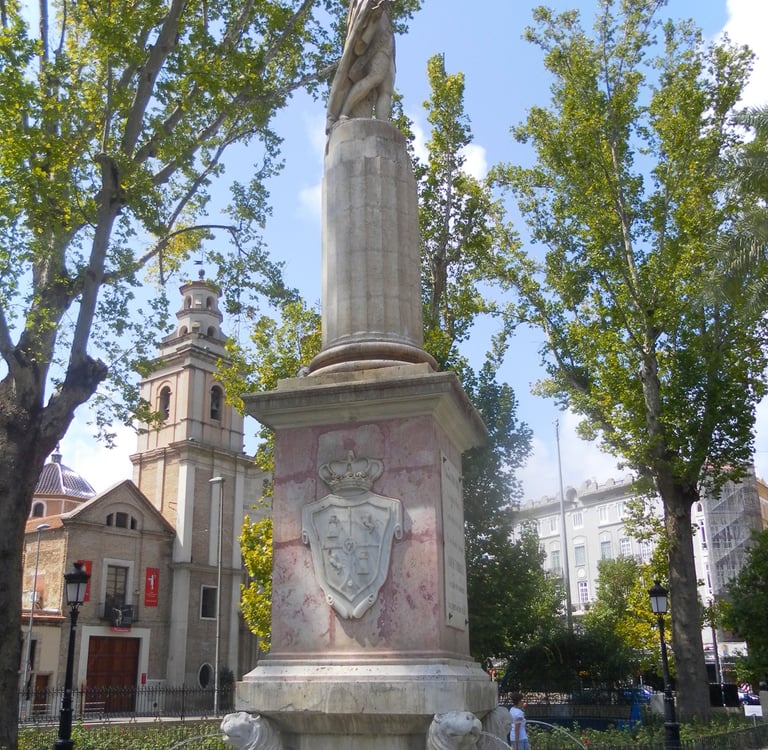
Statue dedicated to the Count of Floridablanca in the garden that bears his name in Murcia. Photo by Gregorico.
The Region of Murcia in the 19th Century
The 19th century opened with major challenges. In 1802, the collapse of the Puentes Reservoir caused catastrophic flooding from Lorca to Murcia, killing more than 600 people. Administratively, the old Province of Cartagena disappeared in 1805 as part of fiscal reforms.
After the war, the return of absolutism under Ferdinand VII led to repression of liberal ideas. In Murcia and Cartagena, however, liberal thought took root among military officers, intellectuals and the emerging middle class. The region saw early political journalism and repeated conspiracies, including failed liberal uprisings in 1817. The brief Liberal Triennium (1820–1823) restored the Constitution of 1812, only to be overturned again by French intervention and renewed absolutist rule.
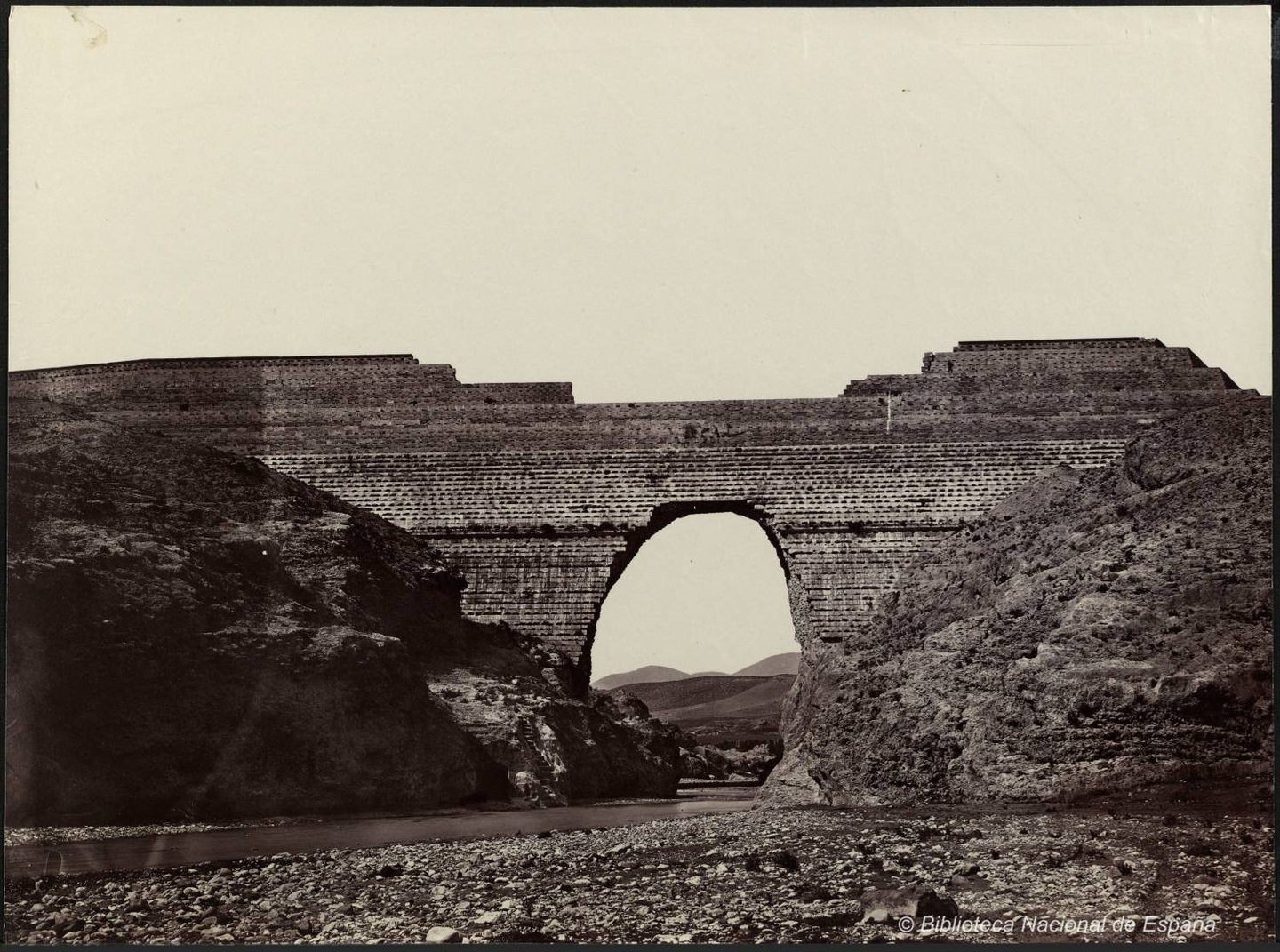
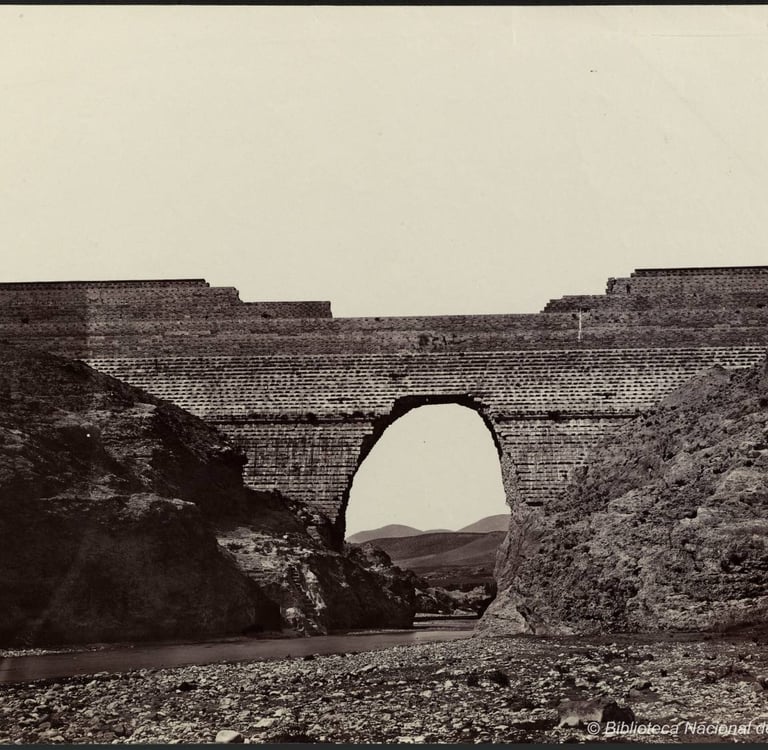
Photograph from 1867 showing the enormous breach opened in the Puentes dam in 1802. Biblioteca Nacional de España.
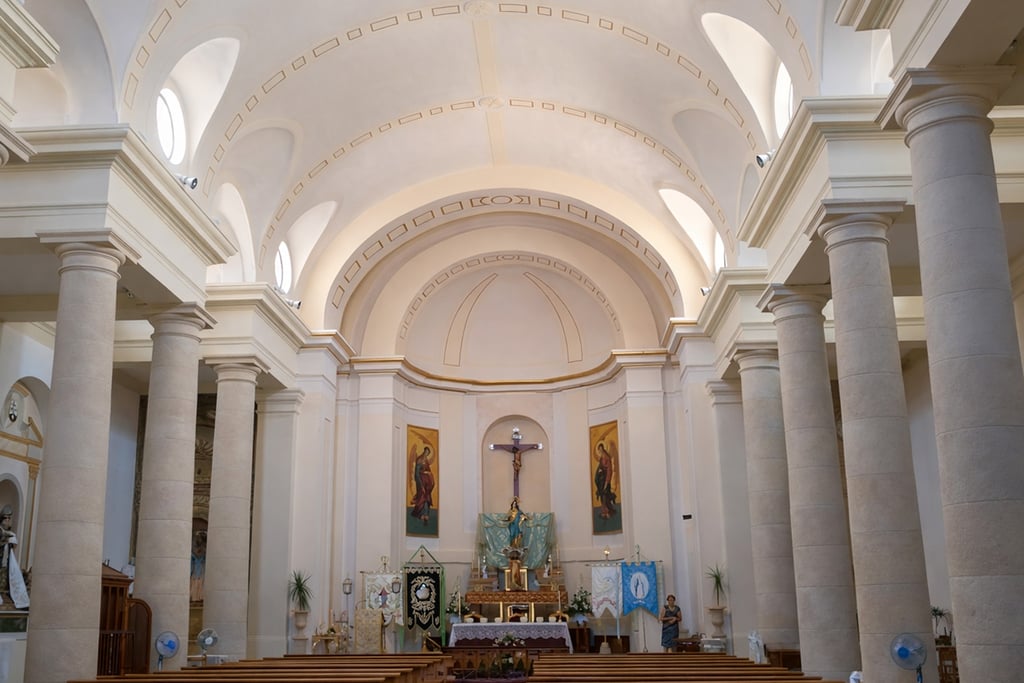
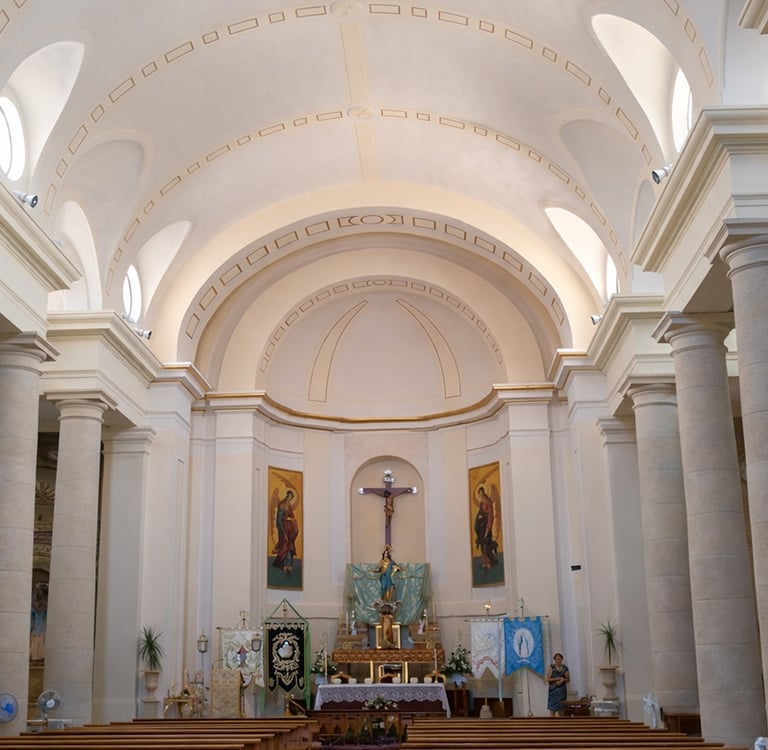
Interior of the Church of the Assumption, in Villanueva del Río Segura, designed in neoclassical style under the direction of Juan de Villanueva in the 19th century.
The Establishment of the Liberal State
After Ferdinand VII’s death in 1833, Spain embarked on a gradual transition toward a liberal constitutional state. The Kingdom of Murcia was dissolved and replaced by a new provincial structure, creating the Province of Murcia and shaping the foundations of the modern region.
The period brought profound reforms: the abolition of feudal lordships, the creation of new municipalities such as Águilas and San Javier, and the implementation of desamortisation policies, which transformed land ownership. Economically, Murcia opened to international markets through mining, agricultural exports and the arrival of the railway in 1862, firmly integrating the region into the national economy.
The Democratic Six-Year Period and the Cantonal Revolution
The overthrow of Queen Isabella II in 1868 initiated the Democratic Six-Year Period (Sexenio Demicrático). Murcia became a stronghold of federal republicanism, particularly in Murcia city and its agricultural hinterland. Popular uprisings against military conscription and indirect taxation were led by the revolutionary figure Antonete Gálvez.
Following the proclamation of the First Spanish Republic in 1873, Cartagena became the epicentre of the Cantonal Revolution. On 12 July 1873, the Murcian Canton was proclaimed, with support from Murcia city and many surrounding towns. After a six-month siege, Cartagena surrendered in January 1874, marking the end of one of the most dramatic episodes in Spanish republican history.


Illustration from the magazine "La Ilustración Ibérica" showing the raising of the red flag in Cartagena after the proclamation of the Canton's independence.
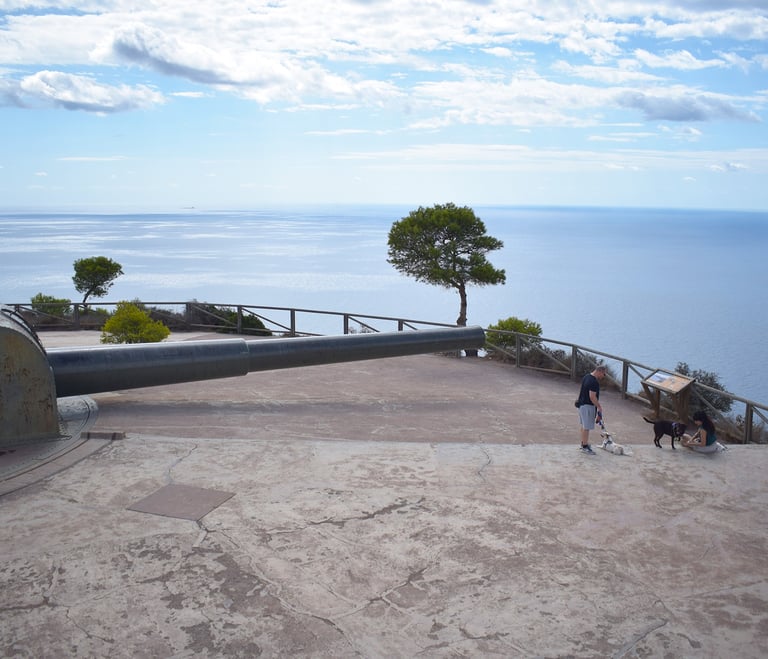
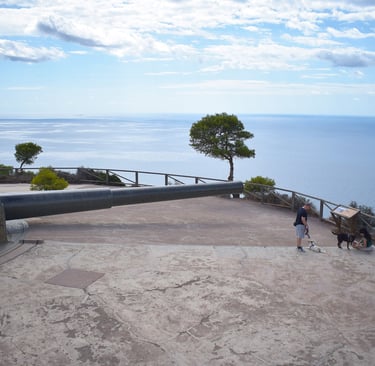
Artillery battery built between 1930 and 1934 on Mount Cenizas, about 15 kilometers from Cartagena.
The Region during the 20th Century: Monarchy, Republic and Dictatorship
The early 20th century saw political instability, social conflict and economic change. Murcia experienced the crises of the monarchy, the reforms and tensions of the Second Republic, and the trauma of the Spanish Civil War. Cartagena suffered particularly from the devastation of the war, as it was the last city controlled by the Republic, and therefore suffered frequent bombings by the German and Italian air forces, countries allied to the rebel side in the war. Under Franco’s dictatorship, political freedoms were suppressed, but the region underwent a certain industrialisation, agricultural modernisation and urban growth, particularly along the coast and in Cartagena.
Architectural and artistic expressions from this period include modernist buildings in Cartagena and Murcia, industrial heritage linked to mining and naval activity, and new urban developments that reshaped city centres.
Transition to Democracy and the Autonomous Community
After Franco’s death, Murcia actively participated in Spain’s transition to democracy. The 1978 Constitution established the framework for regional autonomy. The Regional Council of Murcia governed provisionally until the Region of Murcia was formally constituted as an autonomous community in 1982, following the approval of its Statute of Autonomy.
Cartagena was designated the legislative capital, hosting the Regional Assembly of Murcia, symbolising the new territorial balance within the region. The autonomy process marked a decisive step in democratic self-government.
Today, the Region of Murcia is a dynamic territory balancing tradition and modernity. Agriculture, industry, tourism, education and innovation coexist in a region increasingly connected to Europe and the Mediterranean. Contemporary Murcia looks to the future while preserving the memory of its struggles, reforms and collective achievements, offering visitors a rich historical narrative that helps explain its present-day character.
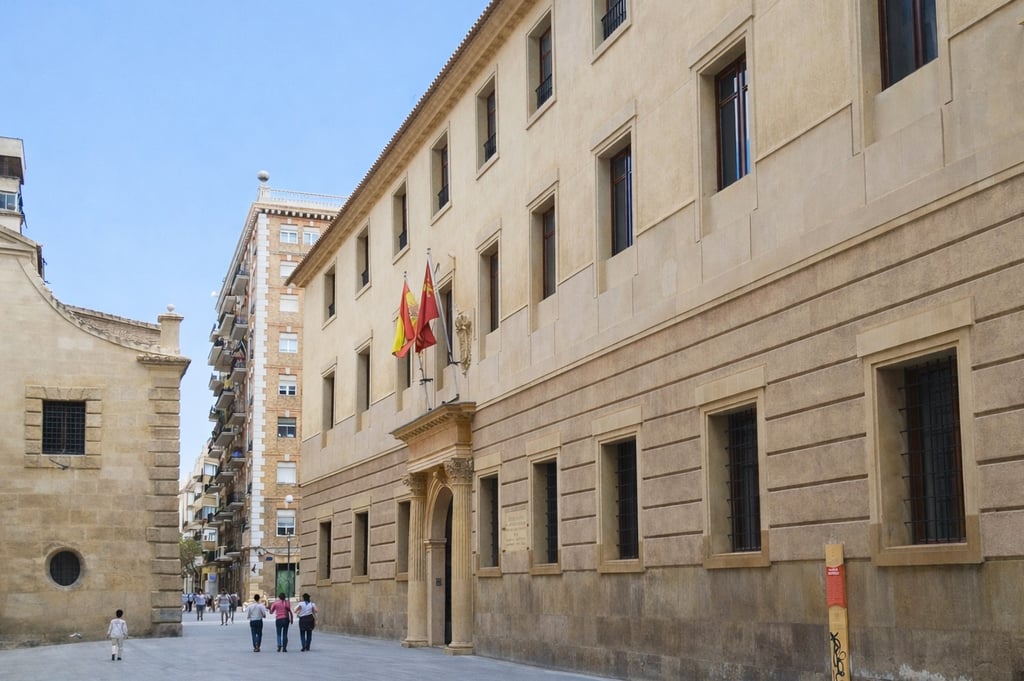
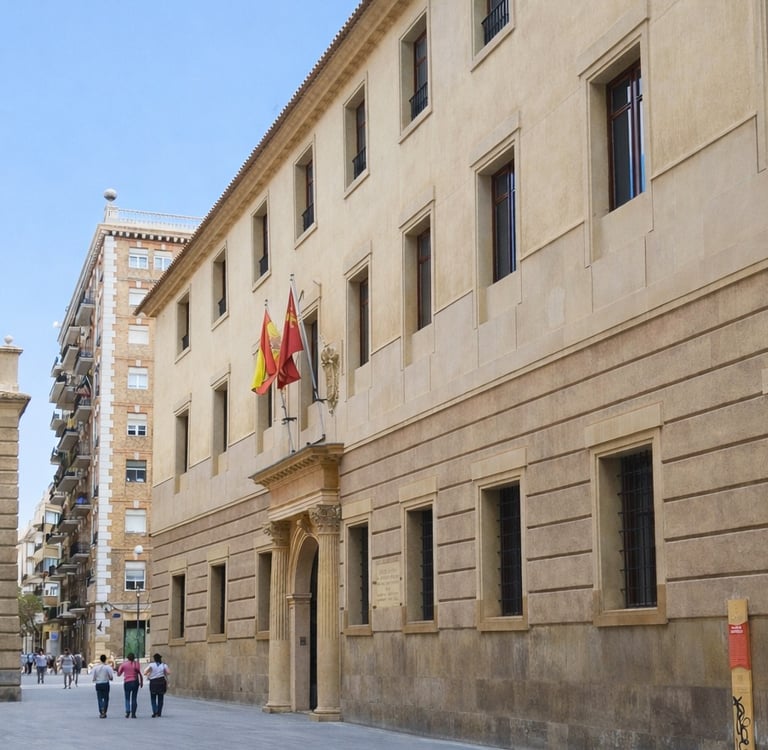
The San Esteban Palace, in the city of Murcia, is the seat of the regional government.