Overview of the Region of Murcia
The Region of Murcia is one of the seventeen autonomous communities that make up Spain. Located in the southeast of the country, it is a Mediterranean land of contrasts where historic cities, fertile orchards, mountainous areas, and a warm coastline come together. For travelers who have yet to discover it, Murcia offers an authentic Spanish experience: welcoming towns, outstanding gastronomy, and a relaxed atmosphere far from the crowds of more saturated destinations.
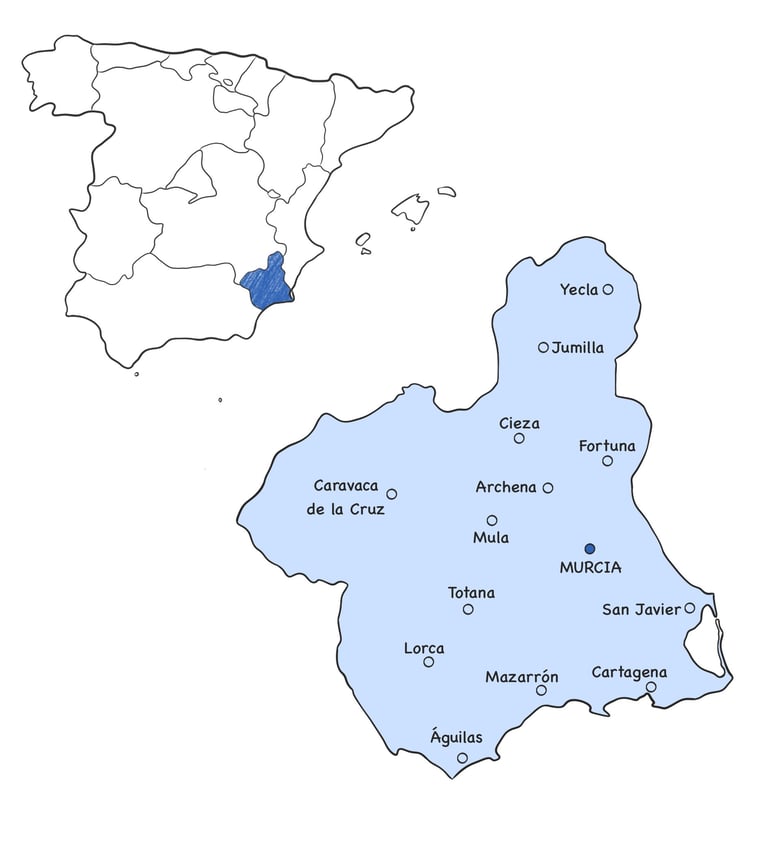
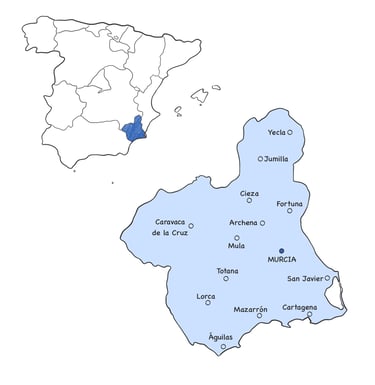
The term "Murcia" is used to refer to both the Autonomous Community and its capital city. Since 1982, the name "Region of Murcia" has been officially used to refer to the entire region and thus avoid confusion with the capital city.
Murcia lies between Andalusia, Castilla-La Mancha, and the Valencian Community, with the Mediterranean Sea forming its eastern border. Its strategic position has historically made it a natural crossroads between the Spanish interior and the sea. The region enjoys excellent connections with the rest of Spain through modern motorways.
A high-speed rail line connects the Region with Madrid and the rest of the rail network. In addition, there is an international airport with daily flights to numerous European destinations, and excellent connections to Alicante Airport, one of the busiest airports in Spain in terms of destinations
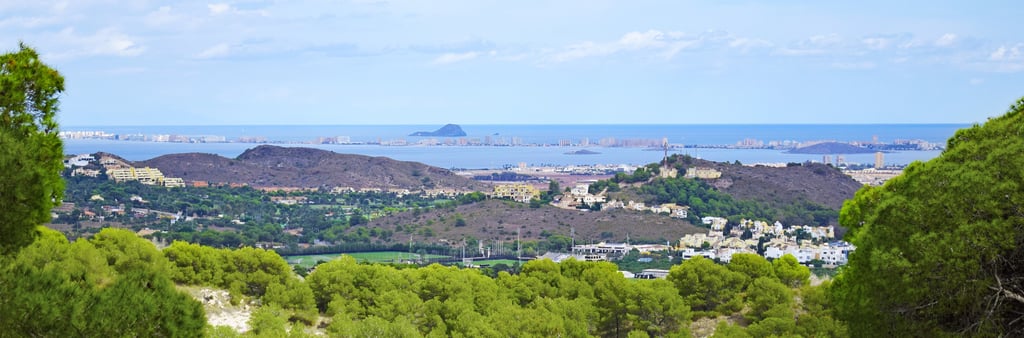
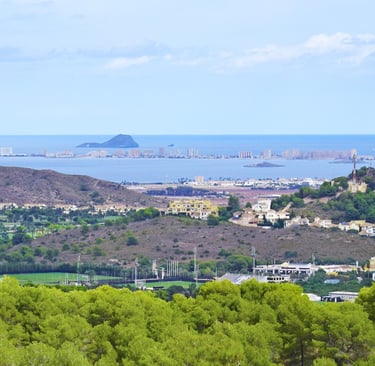
↑ View from Monte de las Cenizas, in the Calblanque Regional Park (Cartagena, Murcia). In the foreground is the "La Manga Club" resort. Also visible are the Mar Menor, the largest saltwater lagoon in Europe, and La Manga, a narrow strip of land separating this lagoon from the Mediterranean Sea. In the background is Isla Grosa, a small, uninhabited island off the coast of La Manga.


Organization and Symbols
The Region of Murcia is a single-province autonomous community with its own government and parliament. The capital city is Murcia, where the main administrative institutions are located. The region is divided into 45 municipalities, each with a strong local identity and traditions that enrich the overall cultural mosaic.
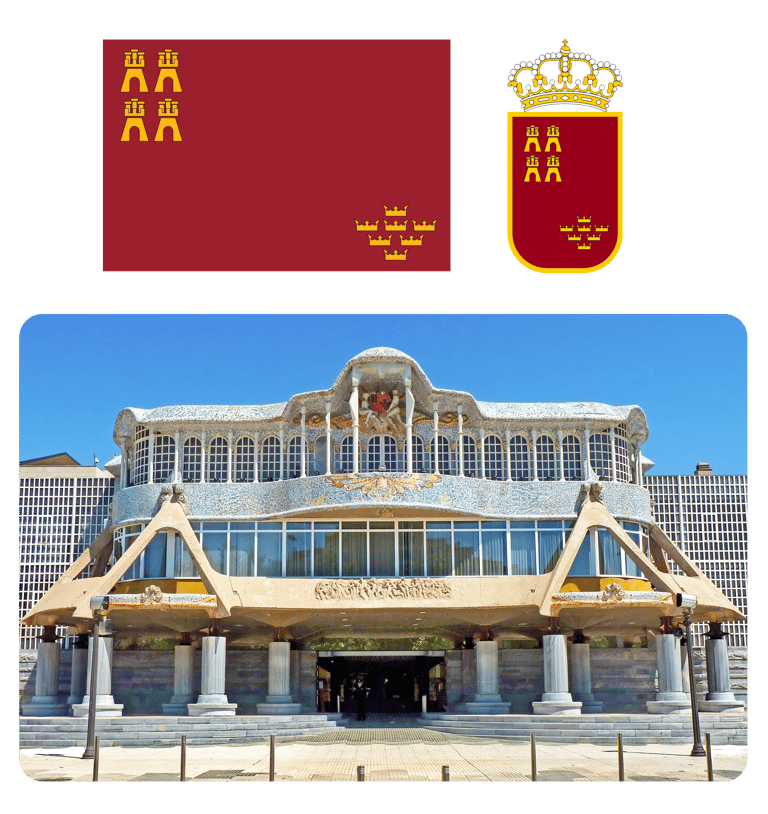
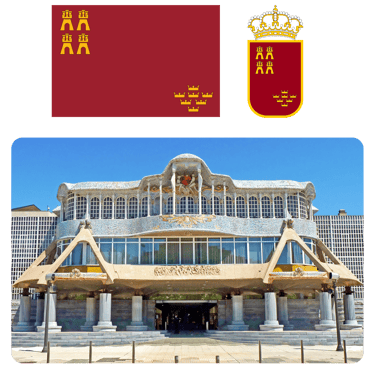
Murcia’s identity is represented by its flag (crimson red with four castles and seven crowns) and its coat of arms, which recalls the region’s medieval history. The official Day of the Region of Murcia is celebrated on 9 June, commemorating the establishment of its autonomous institutions.
← The seat of the Regional Assembly (or regional parliament) is in Cartagena. Although the capital of the Region is the city of Murcia, Article 5 of the Statute of Autonomy establishes that the Assembly will be based in Cartagena. This is a gesture of recognition of the importance and historical significance of this ancient city. Photo by Enrique Freire.


Population and Main Urban Areas
Murcia has a population of around 1.5 million inhabitants. Approximately 80% live in urban areas, while the remaining population is distributed among rural towns and agricultural districts. This balance gives the region a lively network of medium-sized cities surrounded by traditional villages and countryside.
The most populated cities are:
Murcia. The capital city is known for its Baroque cathedral, elegant old town, and lively tapas scene. Visitors enjoy its pedestrian streets, museums, and cultural spaces. The city is also known for its unique Holy Week celebrations and its spring festivals, with the famous Bando de la Huerta being the main and most popular event.
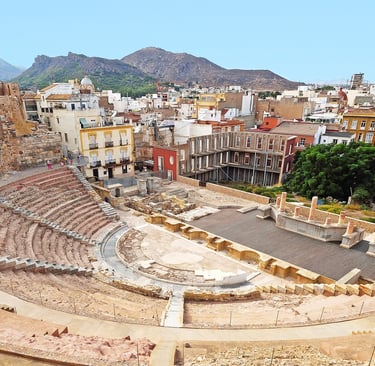
Cartagena. A historic Mediterranean port with more than 2,500 years of history. Its Roman Theatre, Art Nouveau buildings, and naval heritage make it one of Spain’s most fascinating cultural destinations.
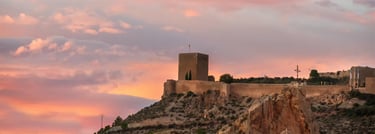
Lorca. Known as the "Baroque city", Lorca boasts an impressive castle, Renaissance palaces and important Holy Week celebrations, some of the most original in all of Spain, declared of international tourist interest.
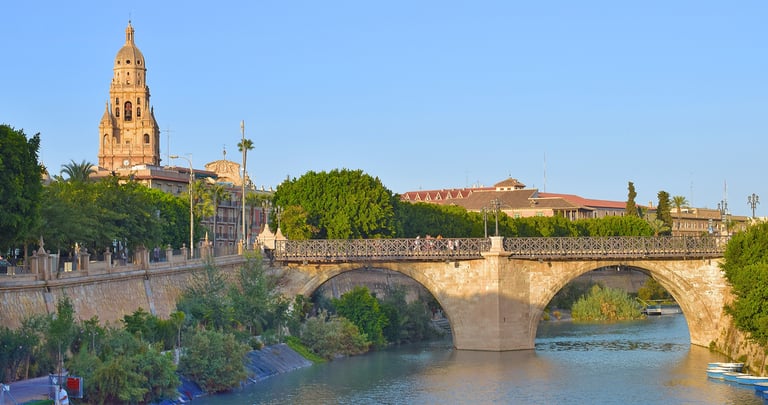


View of the city of Murcia, with the iconic cathedral tower in the background.
Cartagena, the ancient Nova Cartago, with its imposing Roman Theatre in the foreground. Photo by Tim Adams.
Partial view of the majestic Lorca Castle. Photo by Enrique.
Geography, Climate, and Landscapes
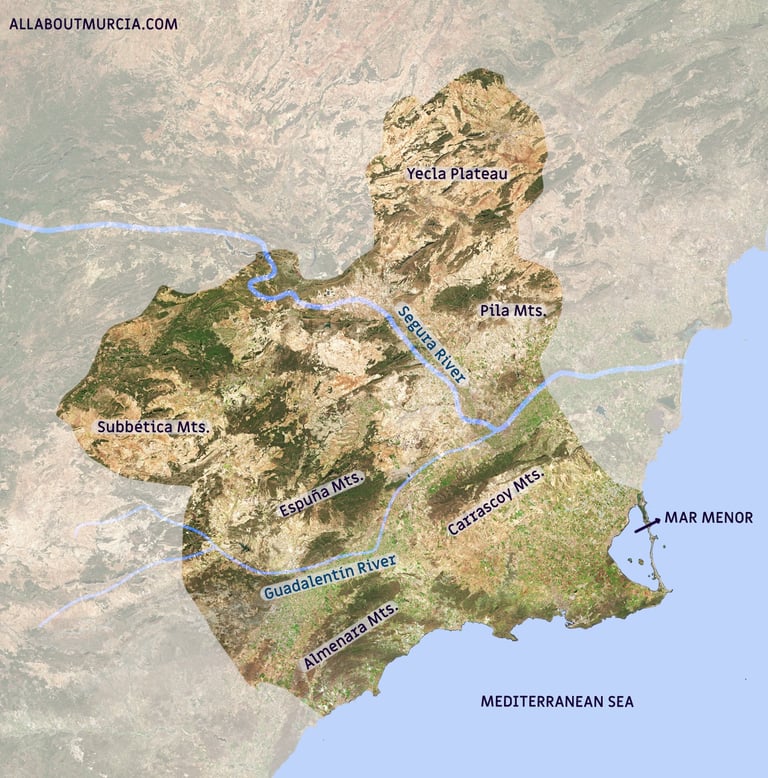
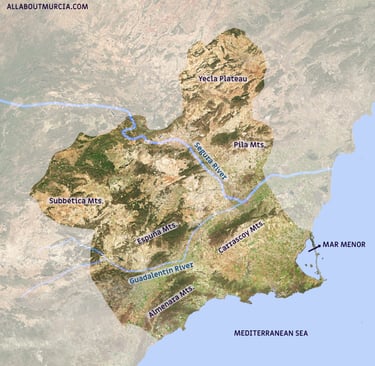
The Murcian landscape is remarkably diverse. Mountain ranges such as Sierra Espuña and Carrascoy contrast with fertile river valleys and semi-arid plains. The main watercourse is the Segura River, historically vital for irrigation and agriculture.
The climate is predominantly Mediterranean, with more than 300 days of sunshine a year, mild winters, and hot summers. Along the coast stretches the Costa Cálida (Warm Coast), famous for the Mar Menor lagoon (Europe’s largest saltwater lagoon) ideal for sailing and family tourism.
Despite its dry image, Murcia hosts valuable natural parks including Calblanque, Sierra Espuña, and Salinas de San Pedro del Pinatar. These areas protect pine forests, wetlands, and coastal dunes inhabited by flamingos, eagles, and unique Mediterranean vegetation such as esparto grass and aromatic shrubs.
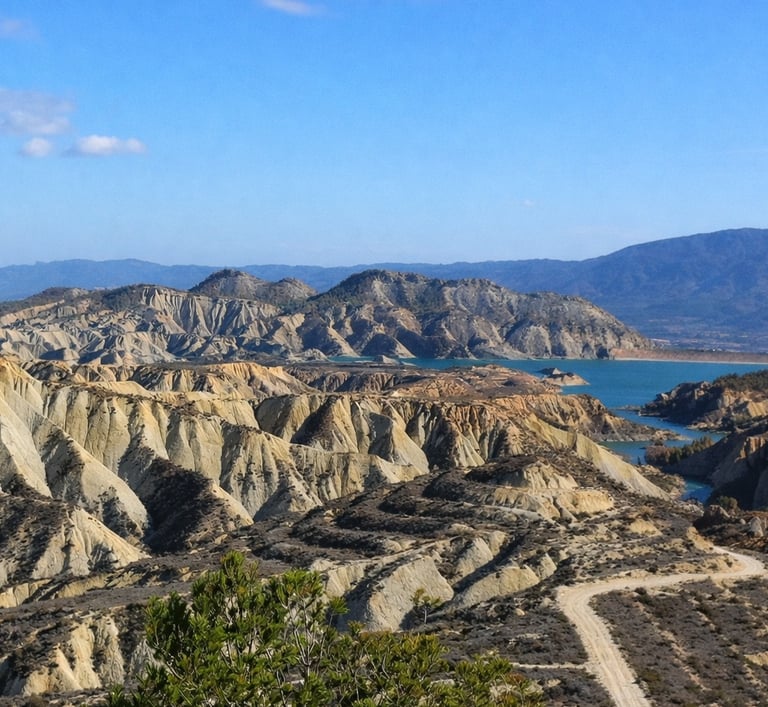
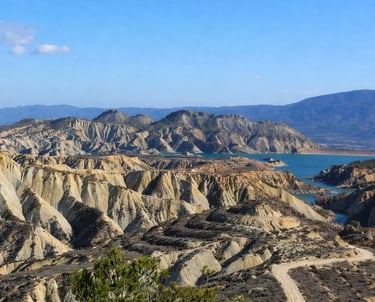

A place known as "Barrancos de Gebas" (Gebas Ravines), an incredible lunar-like landscape. Photo by Gregorico.
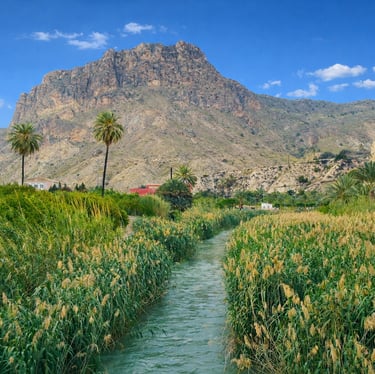
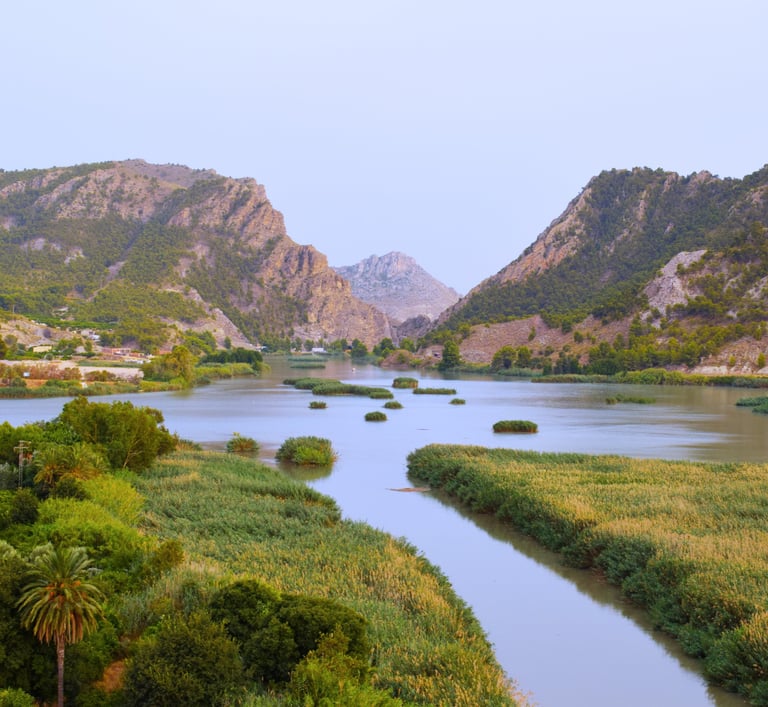
The Ricote Valley, crossed by the Segura River, is one of the most spectacular landscapes in the Region.
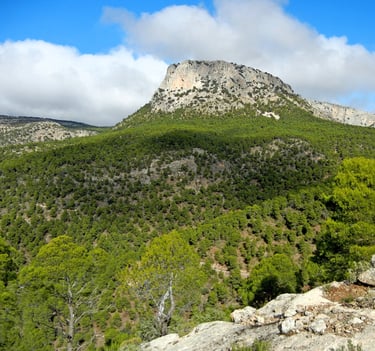
Morrón de Espuña is the highest peak in Sierra Espuña, a Natural Park in the Region. Photo by Lorenzo Soriano.
From a tourist point of view, perhaps the greatest attraction of the Region is its magnificent beaches, which are visited every year by hundreds of thousands of visitors, both international and from the rest of Spain. The beaches of the Region of Murcia are prized for their variety, clear waters, and unspoiled atmosphere, offering visitors a Mediterranean coastline that in some points still feels authentic and relaxed. Travelers can expect long stretches of golden sand along the Costa Cálida (Warm Coast), sheltered coves framed by rugged cliffs, and the unique environment of the Mar Menor, a vast saltwater lagoon where the shallow, calm waters are perfect for families and water sports.
Costa Cálida: the Coast of the Region of Murcia
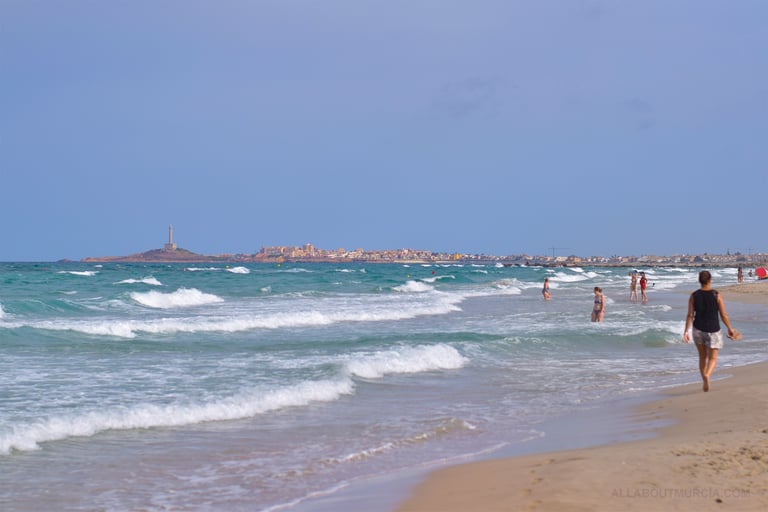
"Playa Galúa", one of the many white sand beaches and transparent waters that can be enjoyed in La Manga.
Nature lovers are drawn to the wild beauty of Calblanque, near Cartagena, a protected area of dunes and turquoise bays. Very close, the fishing village of Cabo de Palos combines excellent diving spots with a picturesque harbor and lighthouse. Further south, in Mazarrón, the striking sandstone formations of Bolnuevo give the coast an almost lunar appearance. Also of great interest is the stretch of coastline around Águilas, where beaches like Calarreona and Los Cocedores stand out for their clear waters and tranquil surroundings.


The small beach known as "Calafría" seen from the top of the Cabo de Palos Lighthouse. The area is especially popular with snorkelers.
Many Murcian beaches proudly hold Blue Flag status, and visitors will find clean facilities, easy access, and a warm climate that makes swimming possible for much of the year, all without the overcrowding common in other Spanish coastal regions.
🌊 Learn more about the Costa Cálida and the beaches of Murcia
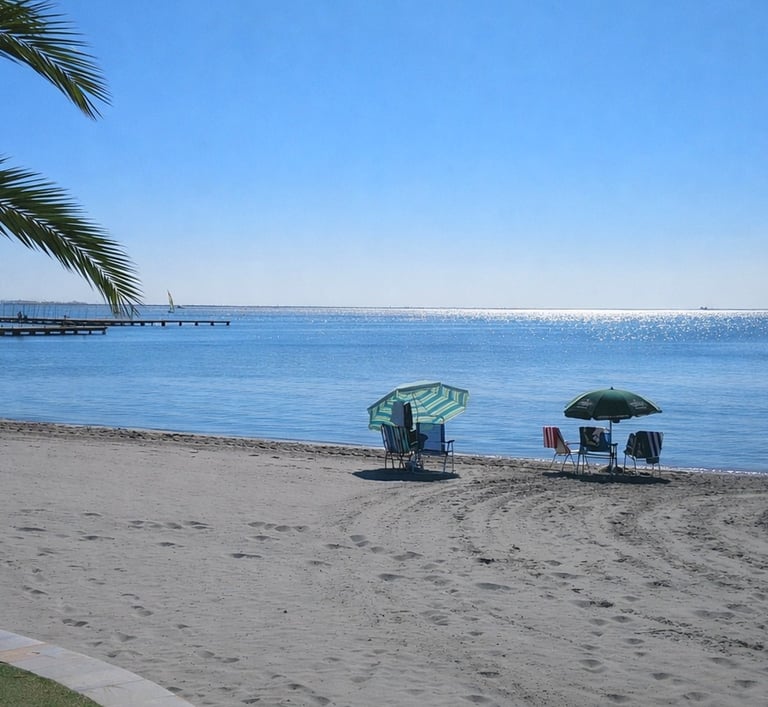


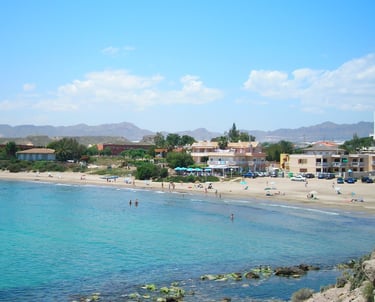
Santiago de la Ribera beach, one of the charming towns next to the Mar Menor, a huge saltwater lagoon with calm and warm waters.
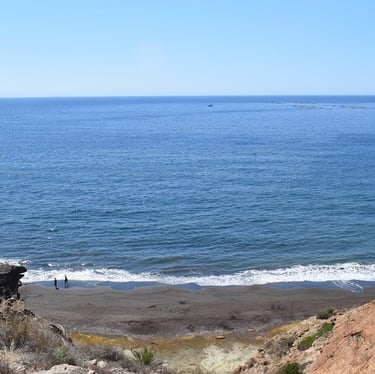
"Cola de Caballo" Beach (Horsetail Beach), very close to Portmán, is one of the many beaches in Murcia that are still only accessible on foot.
Calarreona Beach, one of the most popular in Águilas, the southernmost town in Murcia and one of the most famous for the beauty of its coast.
Murcia, the Orchard of Europe
Agriculture is the backbone of the Murcian economy. Thanks to advanced irrigation systems and a favorable climate, the region produces large quantities of fruit, vegetables, and flowers exported across the continent. This productivity has earned Murcia the nickname “the Orchard of Europe” (Huerta de Europa).
Murcia is the source of many of the vegetables found in European supermarkets. Here, for example, lettuce, broccoli, tomatoes, peppers, and artichokes are grown. Fruits are also plentiful, including melons, watermelons, peaches, and grapes. And the eastern coast of Spain is especially famous for its citrus production; lemons, in particular, have become a symbol of the region due to their abundance.
Other key sectors include food processing, tourism, renewable energy, and a growing logistics industry supported by an efficient network of ports, highways, and railways. Cartagena’s port is one of the most important in the Mediterranean for cruise and commercial traffic.
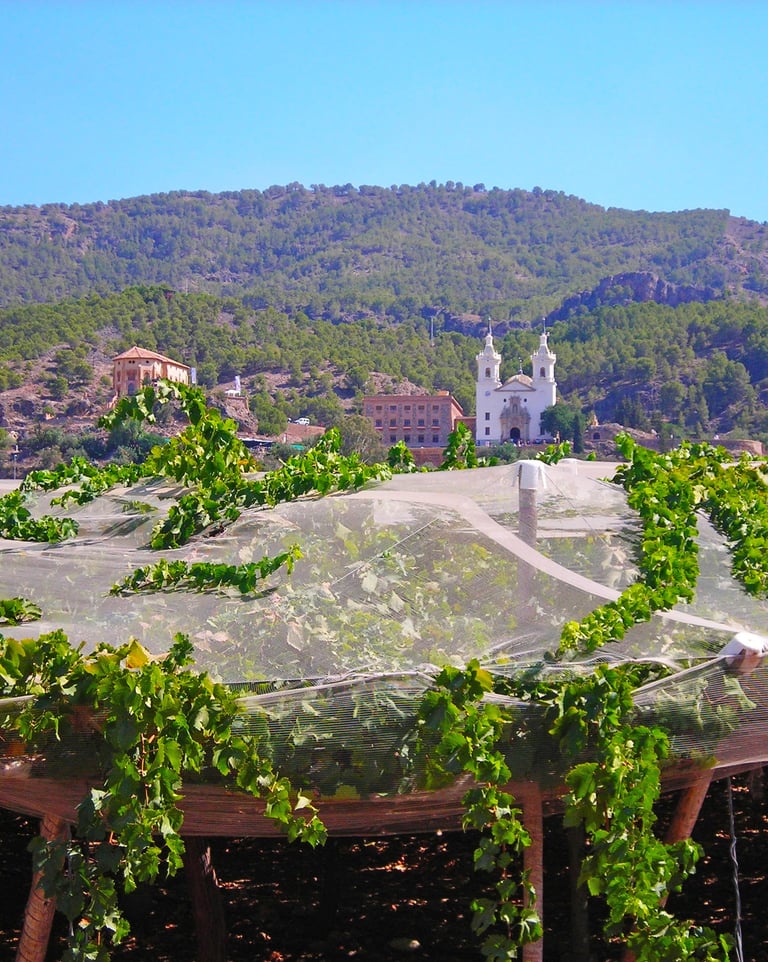
Vineyards for producing table grapes planted at the foot of the Sierra de Carrascoy, very close to the capital. In the background is the Sanctuary of the Virgin of Fuensanta, one of the main centers of religious devotion in Murcia.
A Bit of History
Like the rest of Spain, Murcia has been the setting for a rich history, with numerous civilizations inhabiting this territory and leaving their mark. The Region boasts numerous archaeological sites that demonstrate human presence dating back at least a million years (Cueva Negra, Caravaca de la Cruz). During the Bronze Age, the Region was the heart of the so-called Algar Culture, characterized by its numerous fortified settlements with important collections of high-quality bronze weapons and tools. Among the sites from this period, La Bastida (Totana) stands out, considered the largest settlement in continental Europe during the Bronze Age. Its monumental scale has led this site to sometimes be called "the Troy of the West."
🦣 Learn more about Prehistory in Murcia
There are also numerous remains from the protohistoric period, when the famous Iberians populated the Region. Numerous sites and museums contain beautiful pieces from this era, perhaps the most outstanding being El Cigarralejo (Mula).
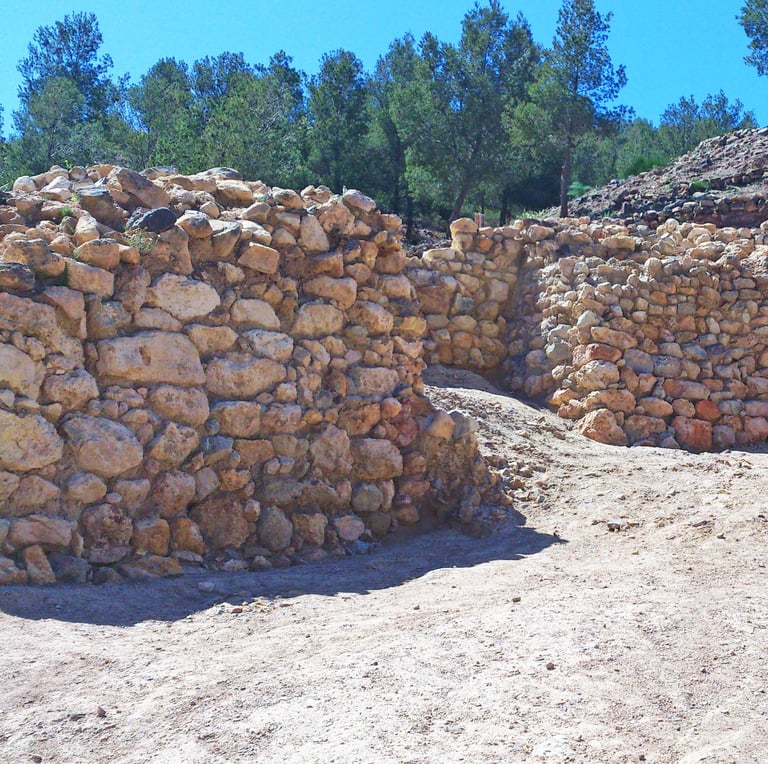
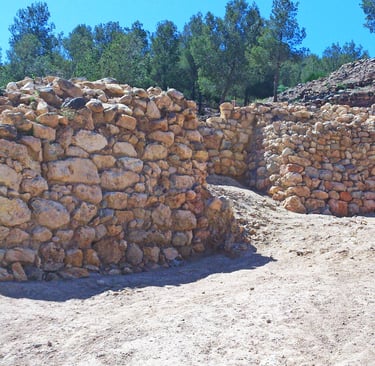
Walls of the archaeological site of La Bastida (Totana), built about 4,200 years ago. Photo by Wadim.
From the first millennium BC From the 1st century BC onwards, several civilizations succeeded one another in this region, including the Phoenician, Carthaginian, and Roman. The latter completely transformed this territory, as it did the rest of Spain. Cartagena, known as Nova Carthago, was the main center of the region during the Roman era and one of the most important in the entire Iberian Peninsula. Numerous vestiges of this period can still be visited in this beautiful port city of Cartagena, such as the remains of the theater and the forum.
🏛️ Learn more about Antiquity in Murcia
There are also numerous vestiges of the medieval period, both from Islamic culture, of which many archaeological remains are preserved, and from Christian culture, since from the 13th century onwards the region became the Kingdom of Murcia, within the Crown of Castile, one of the political entities that would eventually shape Spain. The Christians brought Gothic architecture, the most splendid example of which is found in the cathedral of the capital.
🏰 See more about Medieval Murcia
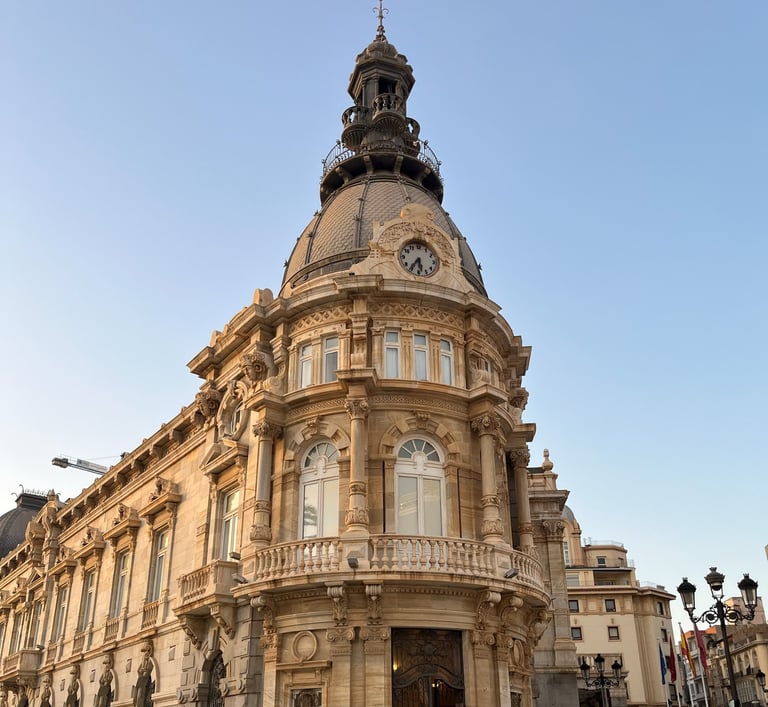
And since then, architectural styles have continued to evolve, resulting in the construction of magnificent churches and palaces that dot the entire region. The Baroque period was particularly productive, especially the 18th century, known as Murcia's "Golden Age" for its cultural splendor, which has bequeathed us an enormous artistic heritage. In the 20th century, Modernism marked another period of artistic flourishing, with numerous buildings scattered throughout the Region, especially in Cartagena, which even today boasts an impressive collection of beautiful buildings in this style.


Remains of a large building around a porticoed courtyard that was located near the Forum of Nova Carthago, present-day Cartagena.


The so-called Espolón tower, in the castle of Lorca, was built in the 13th century, shortly after the Christian conquest of the city.
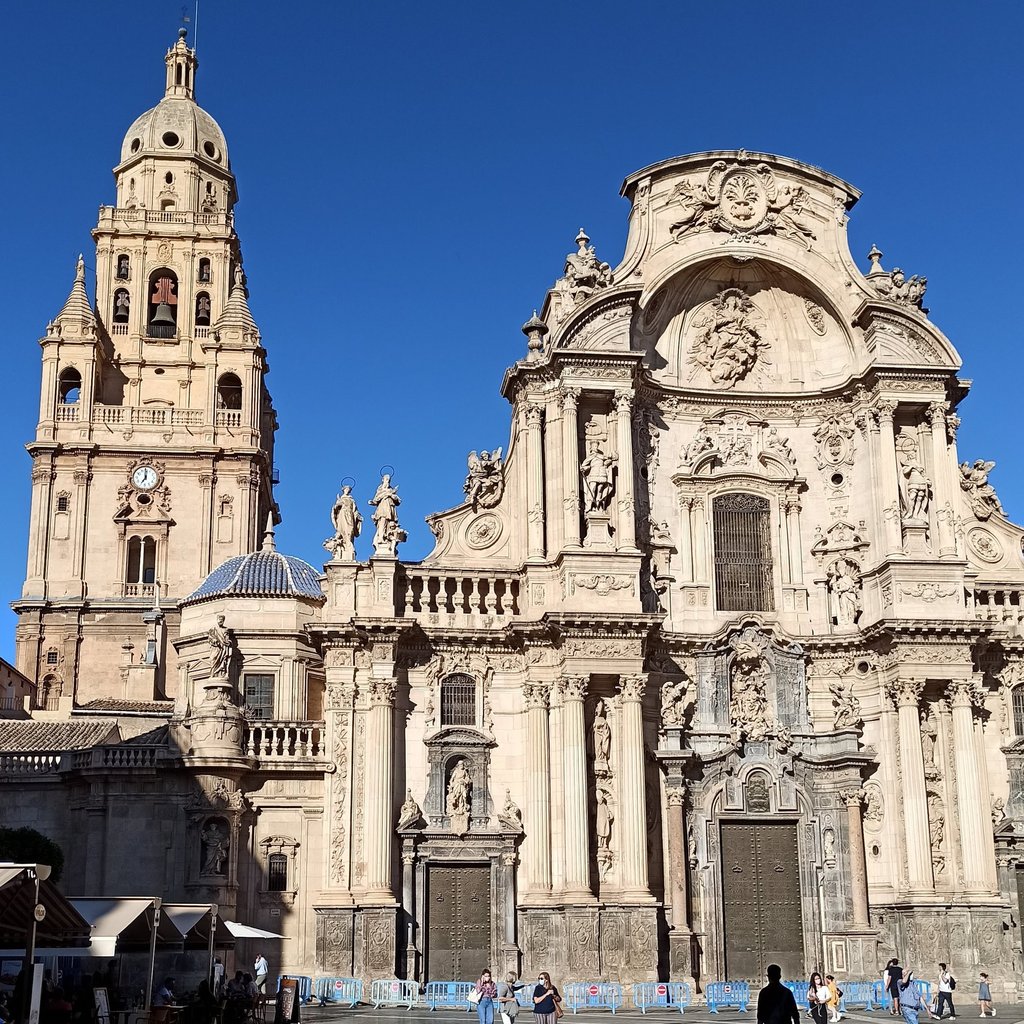
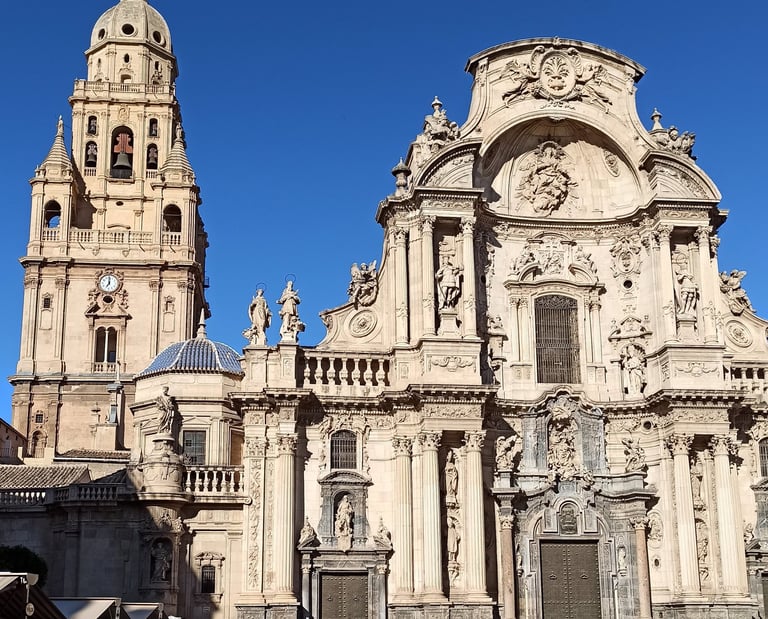
The exuberant facade of Murcia Cathedral, built in the 18th century, is one of the pinnacles of Baroque architecture in Spain.
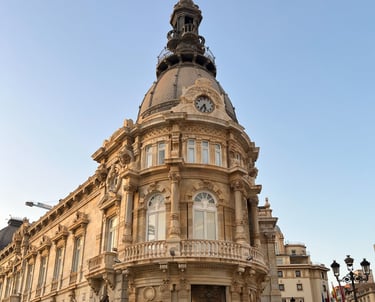
The Cartagena Town Hall was completed in 1907 and is one of the most important examples of Art Nouveau and eclectic architecture in the Region.
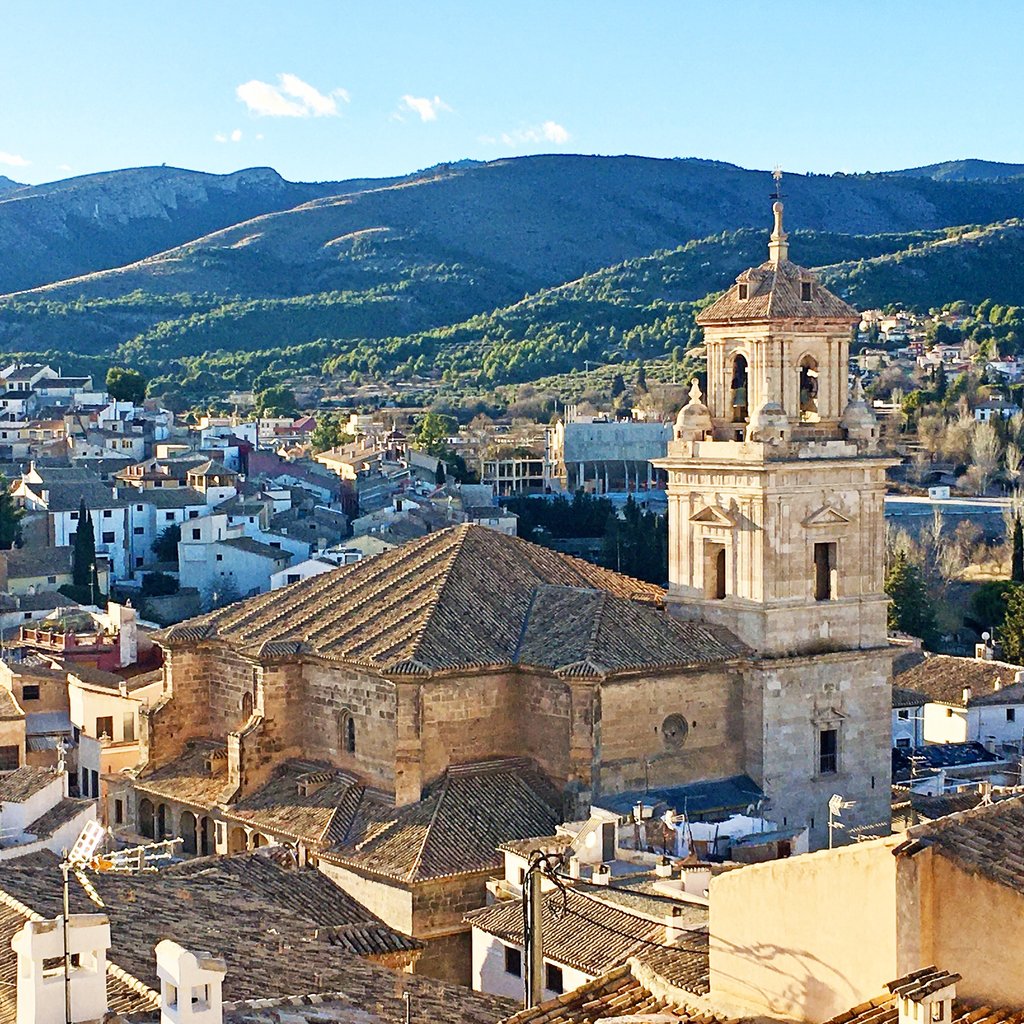
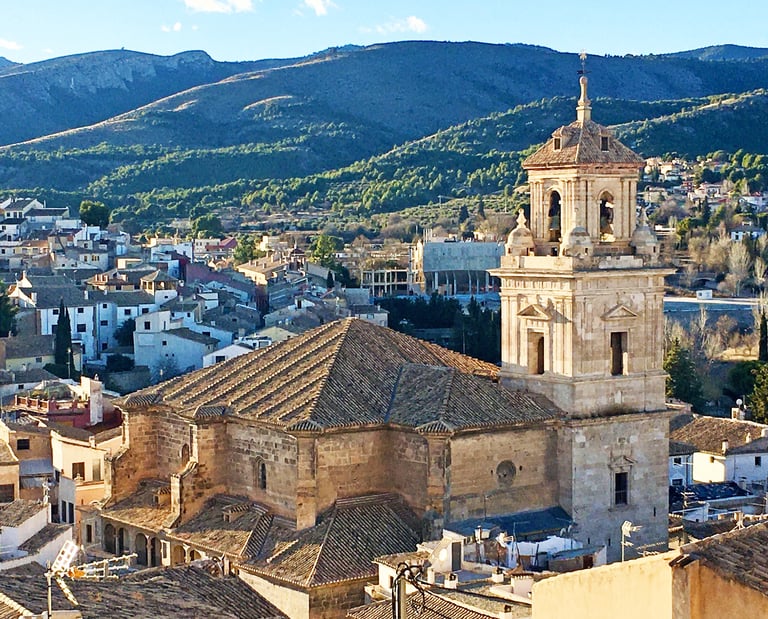
The Church of El Salvador, in Caravaca de la Cruz, an imposing Renaissance temple built between the 16th and 17th centuries. Photo by PiotrMig.
Culture and Way of Life
Murcians are known for their friendliness and relaxed character. They are widely regarded as open and hospitable people who value family ties, friendship, and the simple pleasure of sharing time around a table. This relaxed and welcoming attitude is often one of the first things visitors notice.
The local way of speaking Spanish has its own personality. The Murcian accent is soft and expressive, with vocabulary influenced by centuries of contact with Arabic, Catalan, and Castilian cultures. Travelers quickly become familiar with affectionate expressions such as acho or pijo, words that reflect the region’s informal and humorous character. Although standard Spanish is spoken everywhere, these linguistic touches give daily conversations a unique flavor.
Murcia’s calendar is filled with celebrations that blend religious devotion, history, and popular joy. Holy Week processions in Cartagena, Lorca, and Murcia are among the most spectacular in Spain, featuring richly embroidered costumes, biblical reenactments, and solemn music.
Coastal towns celebrate maritime festivals linked to fishermen and sailors, while inland villages keep alive ancient customs such as pilgrimage walks, open-air markets, and summer fiestas with brass bands and fireworks. These events are not staged shows for tourists but genuine community gatherings in which visitors are warmly invited to take part.
Today’s Murcia is a dynamic society that combines respect for heritage with a forward-looking spirit. University campuses in Murcia and Cartagena bring youthful energy, cafés and cultural centers host exhibitions and debates, and local markets promote organic and proximity products. Outdoor living is part of everyday routine thanks to the mild climate: cycling along river paths, meeting friends for an evening paseo, or enjoying a late dinner near the sea.
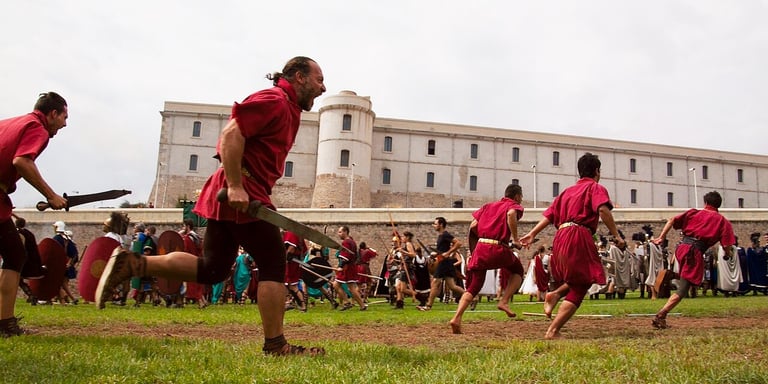
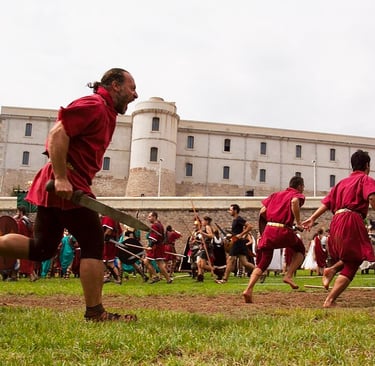
People participating in one of the "Carthaginians and Romans" days, a local festival in Cartagena that recreates the historical episodes of the founding and conquest of the city. Photo by Emilio Rubio Villanueva.
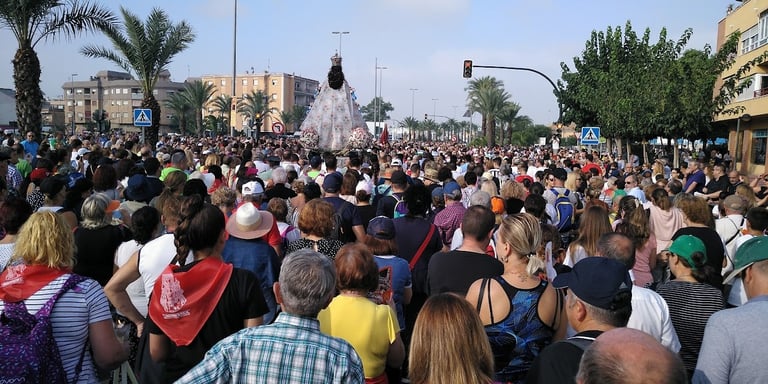
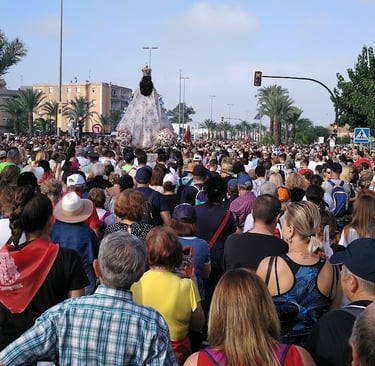
"Romería de la Virgen de la Fuensanta", a religious pilgrimage in which hundreds of thousands of people participate, who walk the distance between the Cathedral and the temple where Our Lady of Fuensanta is worshipped.
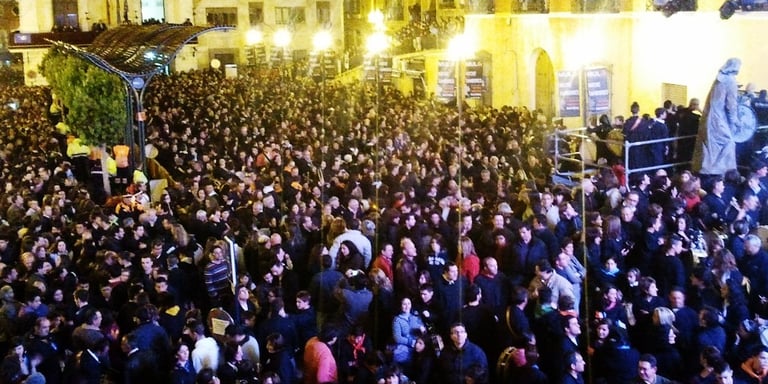
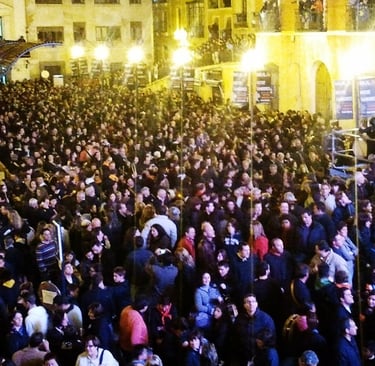
The "Night of the Drums" is an emblematic celebration in the town of Mula, with thousands of people playing the drum non-stop from midnight on Holy Tuesday until the afternoon of Holy Wednesday.
Food is at the heart of Murcian culture. The region’s fertile orchards provide an extraordinary variety of vegetables, fruit, rice, and herbs that shape a healthy and flavorful cuisine. Typical dishes include zarangollo (scrambled eggs with courgette and onion), michirones (spiced broad beans), and the celebrated caldero del Mar Menor, a fisherman’s rice cooked in a rich fish broth.
Local tapas bars serve marineras (a crunchy bread base topped with Russian salad and anchovy) alongside fresh octopus, grilled vegetables, and artisan cheeses. The region is also proud of its wines from the Jumilla, Yecla, and Bullas designations of origin, increasingly recognized on international markets. Meals are social occasions, often long and lively, reflecting the Murcian belief that good company is as important as good ingredients.

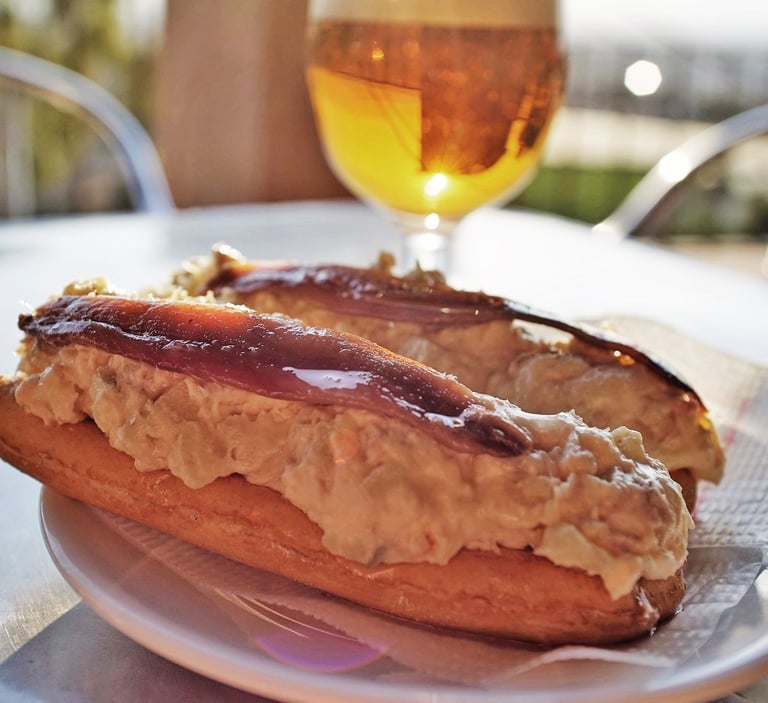
The "marinera" is probably the most typical tapa in the Region of Murcia. It consists of a portion of Russian salad on a crispy doughnut, topped with a salted anchovy. Photo by Turismodemurcia.
Gastronomy: A Land of Flavors
Traditional craftsmanship remains visible throughout Murcia. Towns such as Totana and Lorca are famous for pottery and ceramics, while the use of esparto grass to create baskets and sandals connects the present with centuries-old rural practices. Embroidery workshops in Lorca produce spectacular silk and gold thread pieces used in parades and religious brotherhoods, true works of art that require years of training.
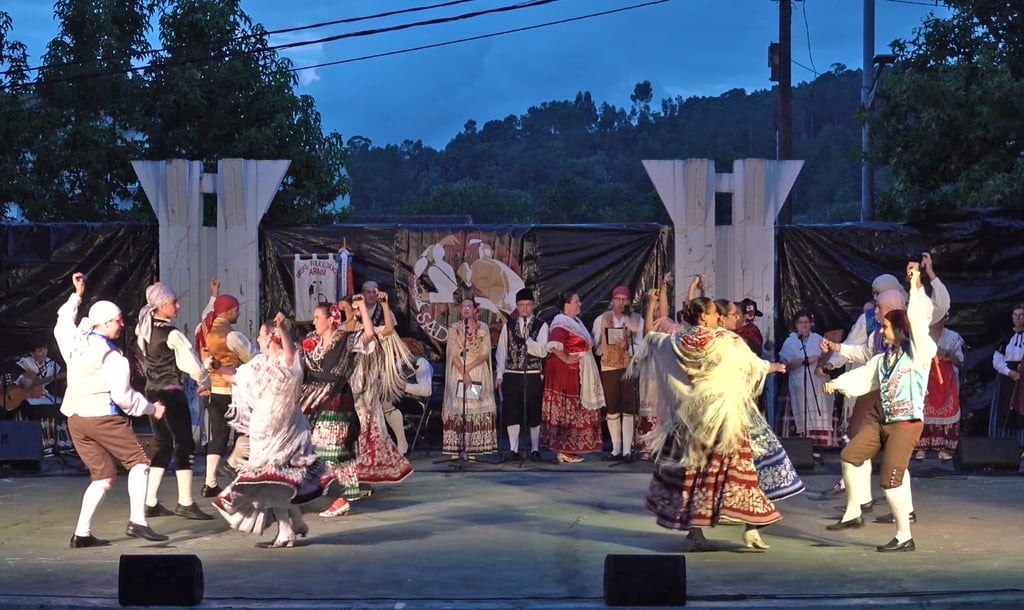
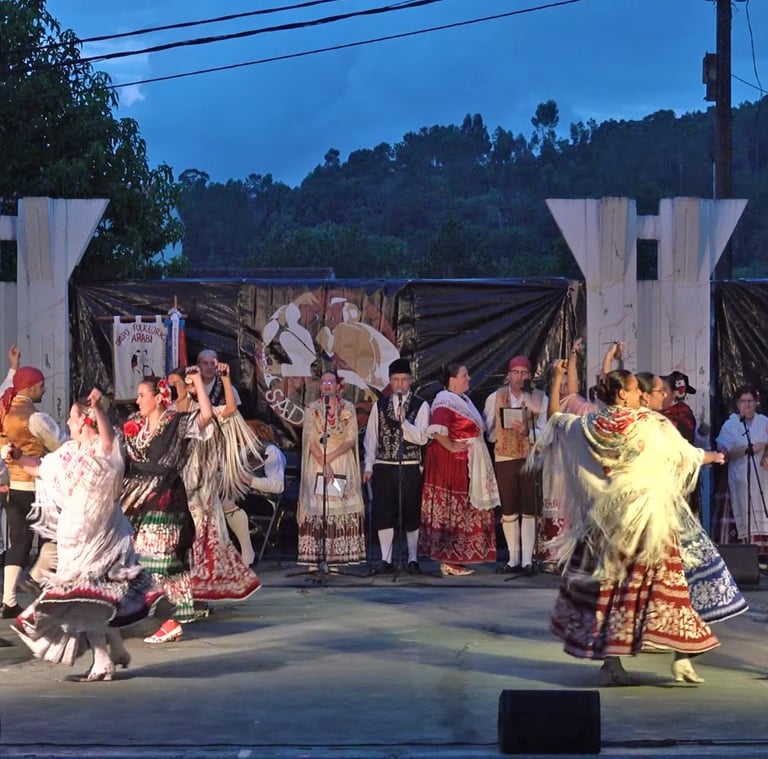
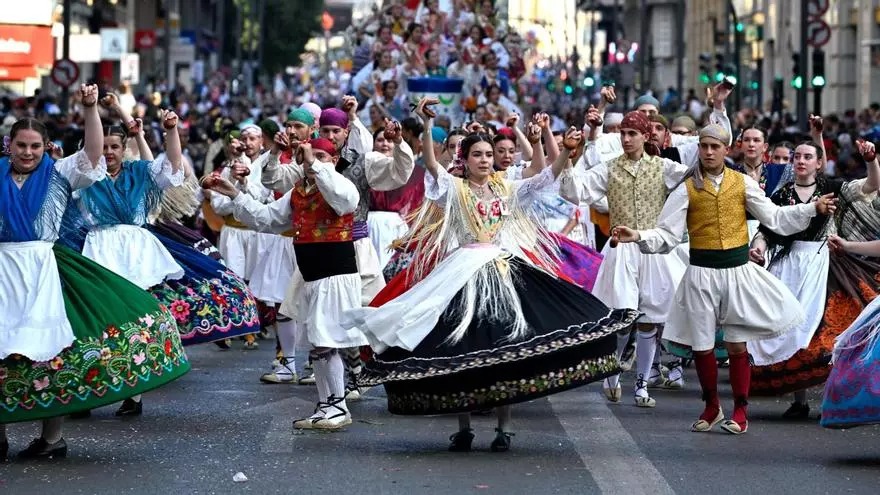
Music and dance also play a central role. Folk groups perform jotas and malagueñas murcianas, accompanied by guitars, bandurrias, and castanets. At the same time, the region hosts modern music festivals, jazz cycles, and contemporary art events, showing how tradition and innovation coexist naturally.
Alongside these traditions, flamenco holds a special place in the cultural landscape of the region. The mining area of La Unión is home to the prestigious Festival Internacional del Cante de las Minas, one of the most respected flamenco events in Spain, which each summer gathers leading singers, guitarists, and dancers and attracts enthusiasts from all over the world. The festival has played a decisive role in preserving the “cantes mineros” -deep, emotional styles born from the experiences of nineteenth-century miners.
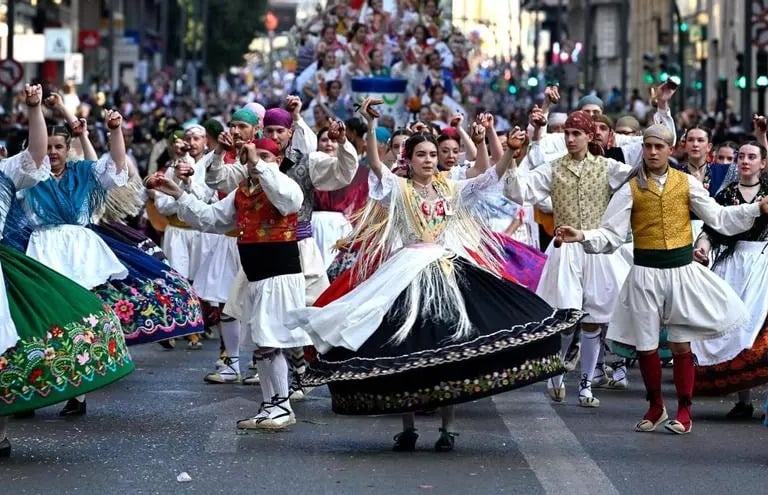
A group of people dancing one of the region's traditional dances in the capital. The clothing is known as "huertana dress" and is inspired by the clothing of farmers in the 18th and 19th centuries. Photo by Ayuntamiento de Murcia.
Crafts and Popular Arts
Why Visit the Region of Murcia?
For visitors, experiencing Murcian culture means more than visiting monuments. It involves sharing a tapa at the bar, chatting with neighbors during a fiesta, or wandering through a weekly market scented with oranges and spices. The region offers an authentic glimpse of Spanish life where traditions remain alive and hospitality is not a slogan but a genuine way of being.
Murcia combines the attractions of Mediterranean Spain with the charm of a destination that remains refreshingly unspoiled. Prices are reasonable, beaches are not overcrowded, and traditions are genuine rather than staged for tourists. Visitors find a region rich in history, flavors, and landscapes where it is still possible to experience the real rhythm of Spanish life. For anyone seeking sunshine, culture, nature, and authenticity, the Region of Murcia is a discovery waiting to happen.