
History and Art
A Land Shaped by Millennia of Civilisations
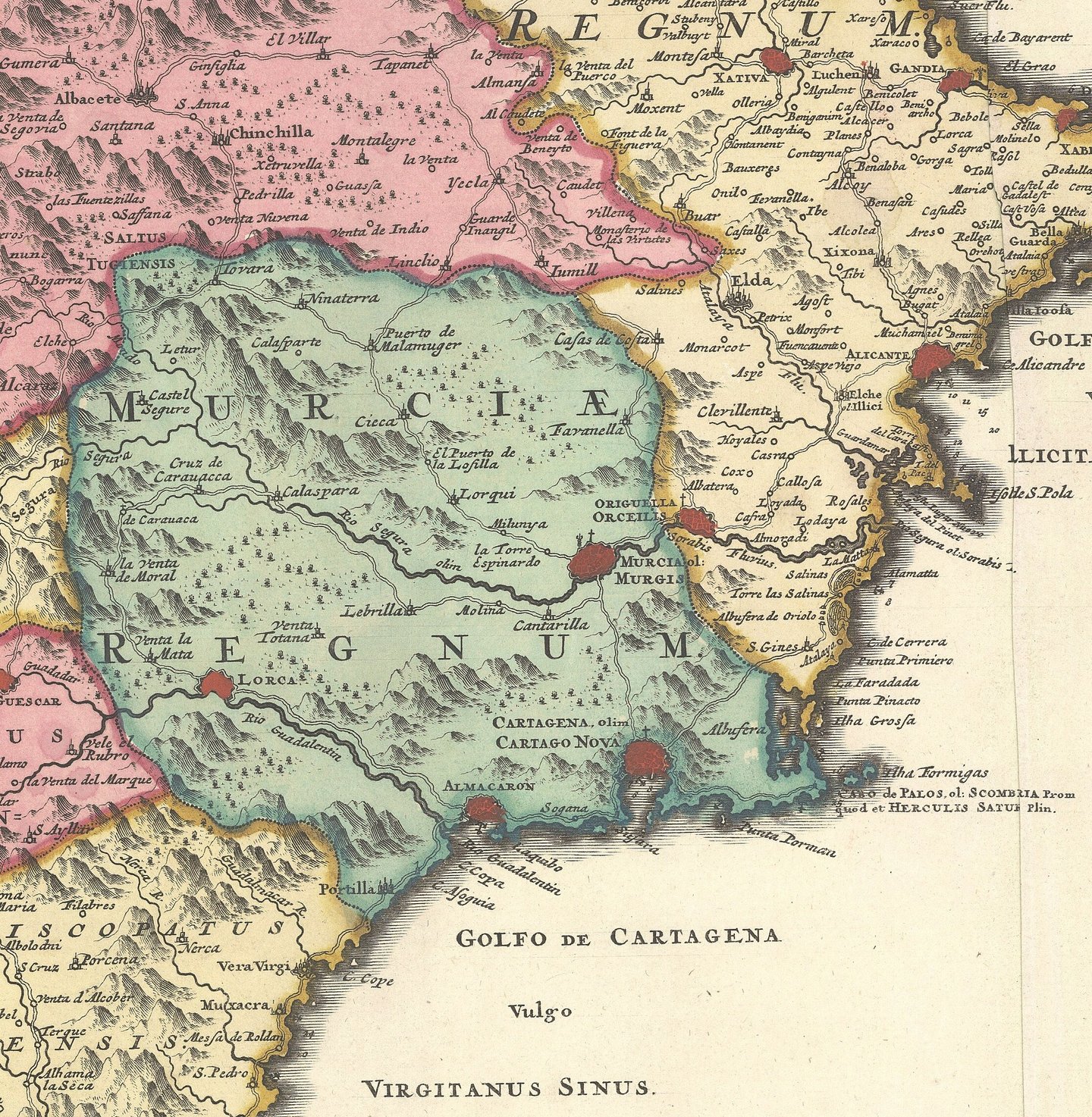
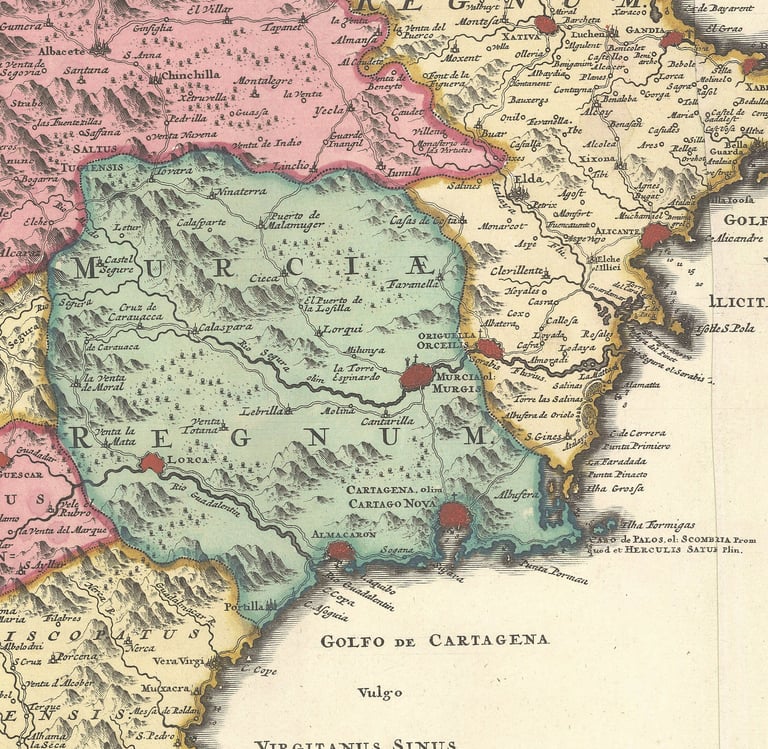
The Region of Murcia has been shaped by thousands of years of human presence, making it a territory with a rich history. From prehistoric hunter-gatherers to modern industrial society, successive cultures have left behind an extraordinary archaeological, monumental and artistic legacy that can still be explored today.
Its strategic location between the Mediterranean coast and the interior of the Iberian Peninsula, combined with fertile river valleys and mountain landscapes, has made Murcia a crossroads of peoples, ideas and artistic expressions. Rock art shelters, Iberian sanctuaries, Roman cities, Islamic medinas, medieval castles, Baroque churches and contemporary urban spaces together form a layered historical landscape. This section offers an overview of Murcia’s historical evolution and provides access to each major period through dedicated pages.
From the First Humans to the Dawn of History
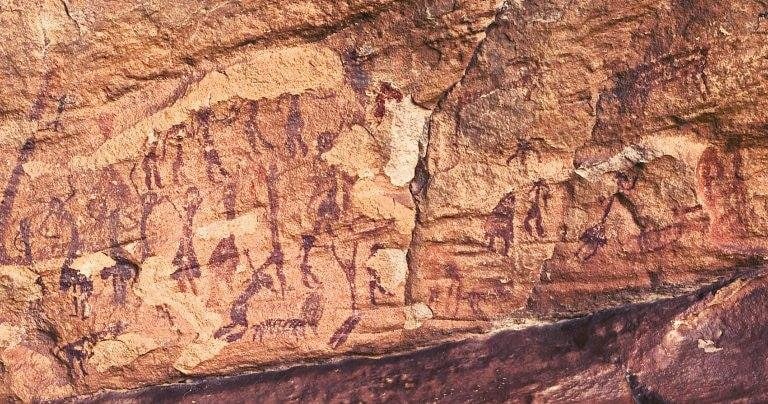
Prehistoric Murcia preserves some of the oldest evidence of human presence in southern Europe. From early hominins and Neanderthals to Neolithic farmers and Bronze Age societies, the region offers a remarkable archaeological record. Caves, rock shelters, fortified settlements and megalithic necropolises reveal how early communities adapted to the environment and developed complex social structures. Prehistoric Murcia is also home to outstanding examples of Levantine rock art, recognised as UNESCO World Heritage, making it a key destination for understanding early symbolic expression.
Iberians, Phoenicians, Carthaginians and Romans
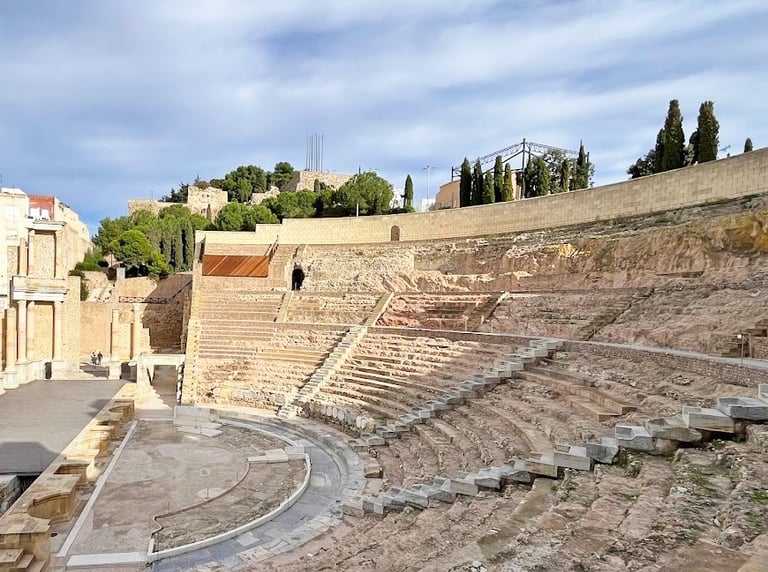
During Antiquity, Murcia became fully integrated into the Mediterranean world. Indigenous Iberian societies interacted with Phoenician traders, followed by Carthaginian expansion and, ultimately, Roman conquest. Cities such as Cartagena flourished as political, military and commercial centres, while villas, roads and mines reshaped the territory. Romanisation left a lasting imprint on urban planning, infrastructure and culture, setting the foundations for later historical developments.
Al-Ándalus, Frontier Lands and the Christian Kingdom
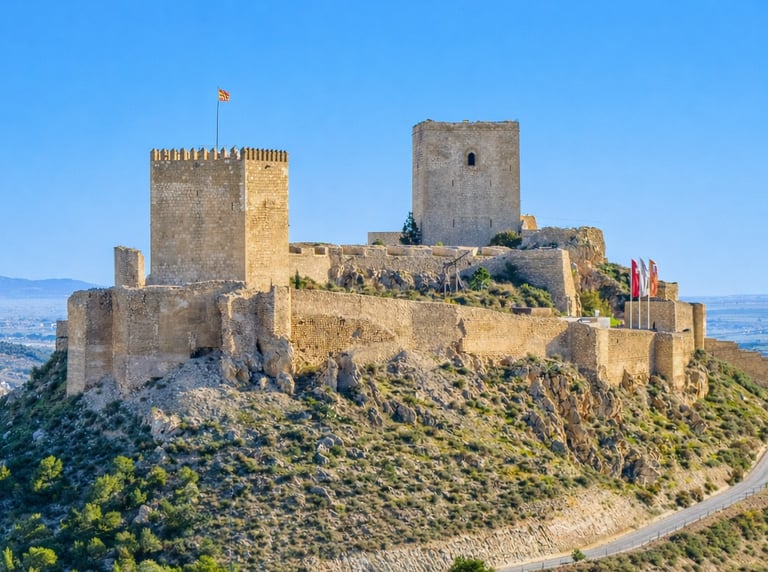
The medieval period was one of profound transformation. Islamic rule introduced advanced agriculture, irrigation systems and new cities, including the foundation of Murcia itself. Later, the region became a frontier territory between Christian Castile and the Nasrid Kingdom of Granada, marked by castles, fortified towns and cultural coexistence between Muslims, Christians and Jews. This era forged much of Murcia’s historical identity and left behind some of its most iconic monuments.
Baroque Splendour and Strategic Transformation
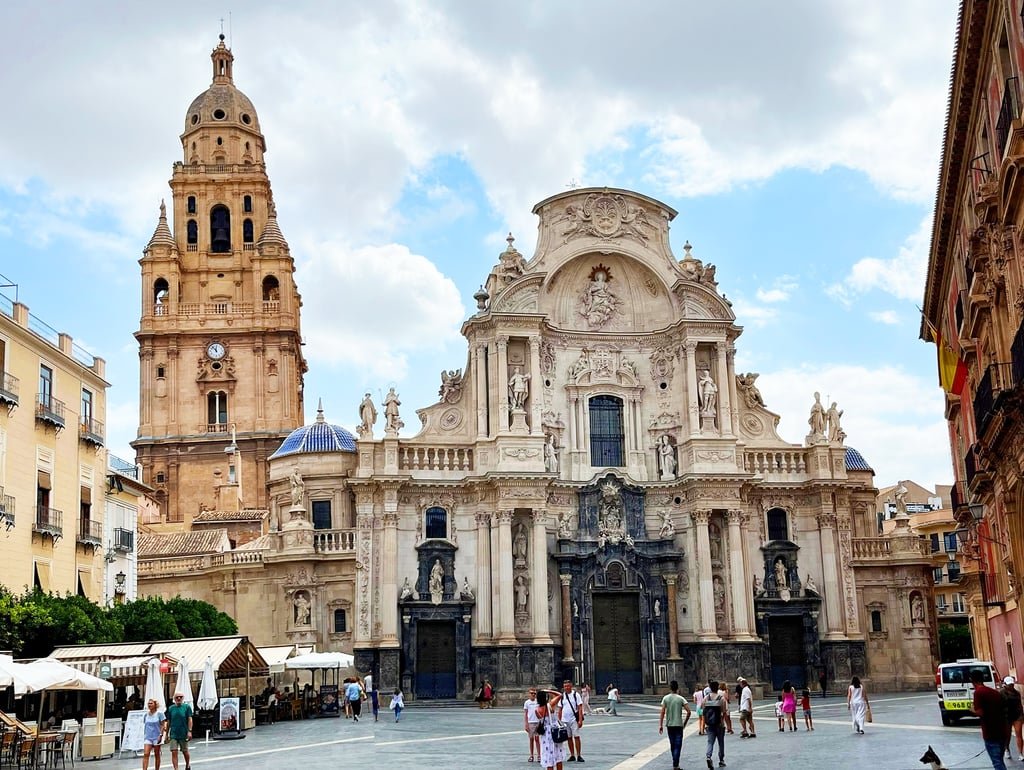
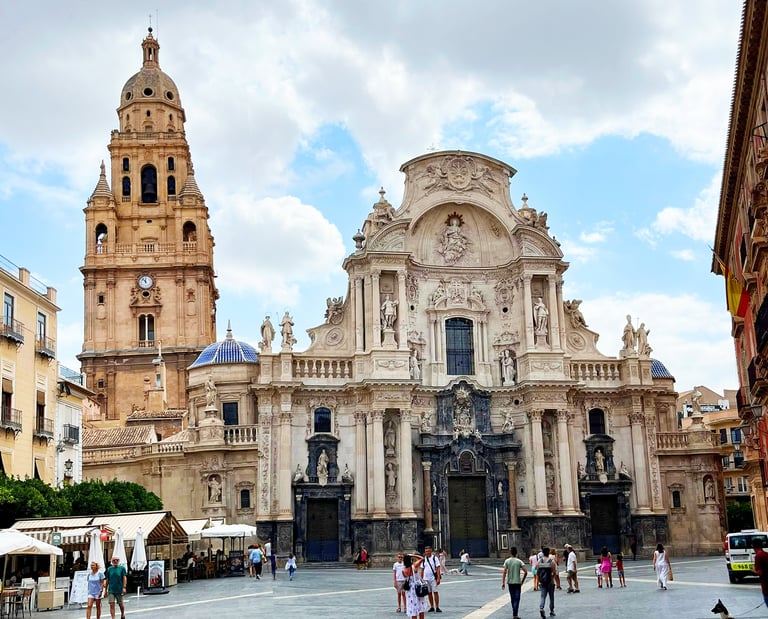
From the 16th to the 18th centuries, Murcia evolved within the framework of the Spanish monarchy. Despite periods of crisis, the region experienced significant cultural and artistic development, especially during the 18th century, often considered Murcia’s golden age. Baroque architecture flourished, and Cartagena was transformed into a major naval base of the Spanish Mediterranean fleet, reshaping its urban and military landscape.
Revolution, Democracy and Autonomy
The contemporary period brought deep political and social change. From the War of Independence and the liberal revolutions of the 19th century to the Cantonal uprising of Cartagena, the Civil War, dictatorship and democratic transition, Murcia experienced the major upheavals of modern Spain. The creation of the Region of Murcia as an autonomous community in 1982 marked a new chapter, allowing the region to define its identity and future within a democratic framework.


