Guided tour of the Salzillo Museum
The best option to learn about the legacy of Francisco Salzillo, the most important artist in the history of Murcia and one of the most prominent figures in the history of Spanish art. A tour of around 1h30m in the hands of an official guide graduated in history and expert in artistic heritage.
Church of Our Father Jesus in Murcia
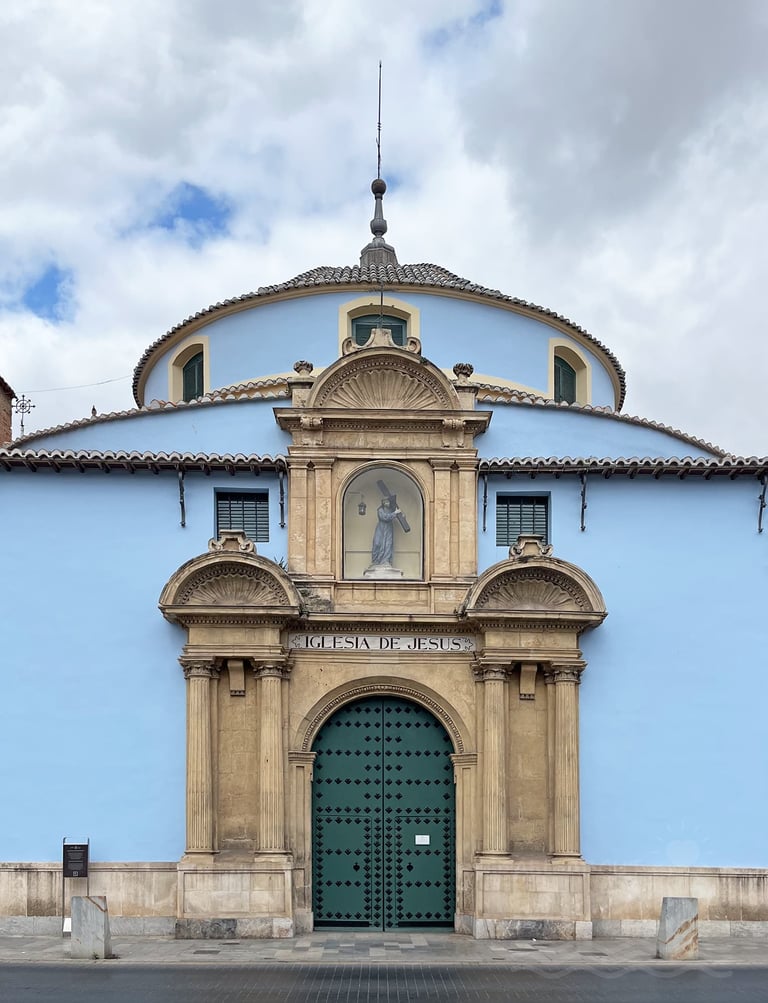
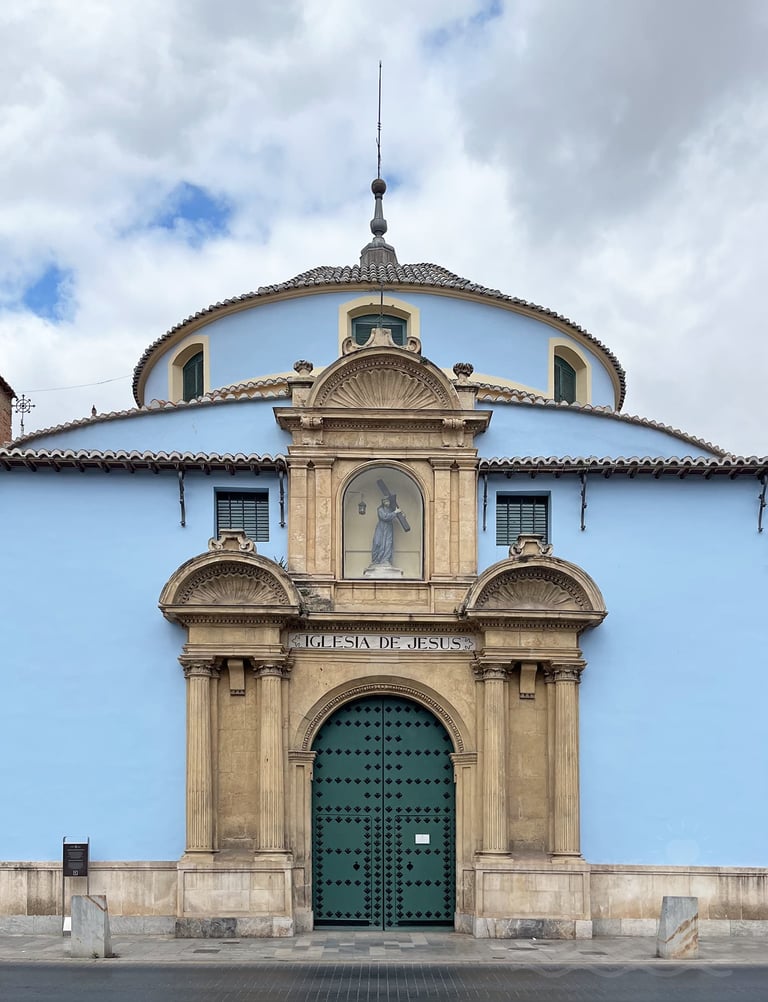
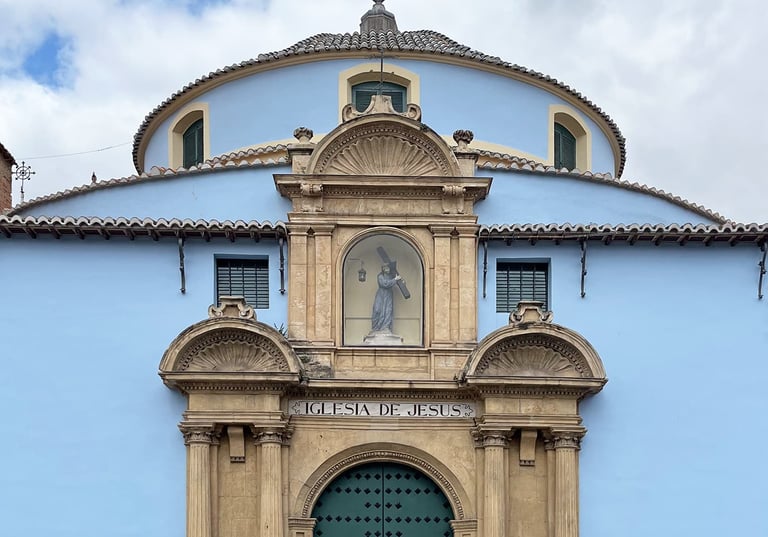
The church of Our Father Jesus Nazarene is closely linked to the history of Holy Week in Murcia and to the figure of Francisco Salzillo. Built between 1676 and 1696 as an independent seat of the Brotherhood of Our Father Jesus Nazarene, it arose after prolonged conflicts that the brotherhood maintained with the neighboring Augustinian community. The temple occupies the site of the old hermitage of San Sebastián and was blessed in 1696, becoming since then the spiritual center of one of the most influential religious institutions in the city.
If you want to learn in detail about this splendid church, the best option is through our tour "Guided Tour of the Salzillo Museum". In it, we thoroughly explore not only the temple but also the rest of the areas of the museum, immersing ourselves in the magnificent legacy of Francisco Salzillo, the most universal Murcian artist. Do not hesitate to contact for more information and reservations.
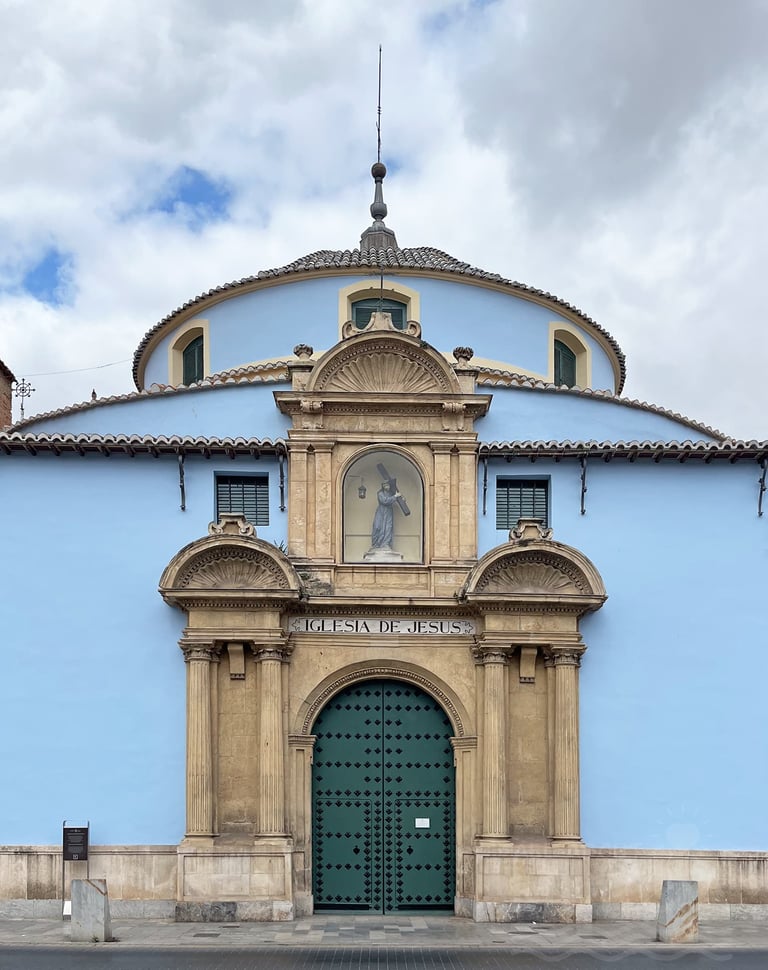
From an architectural point of view, it presents one of the most unique floor plans of the churches in Murcia. Its main space is organized around a large central rotunda surrounded by a walkway and several radial chapels. This arrangement, uncommon in Spanish Baroque architecture, generates a dynamic perception of the space and favors the contemplation of the artistic works distributed around the temple. The facade, completed by Francisco de Hontiyuelos in 1696 and later remodeled during the 18th century, introduces the visitor to an interior profoundly transformed by the reforms promoted by Joaquín Riquelme and Togores. He was the steward of the brotherhood that promoted the 18th-century reform of the church and commissioned the Holy Week steps from the brilliant Salzillo.
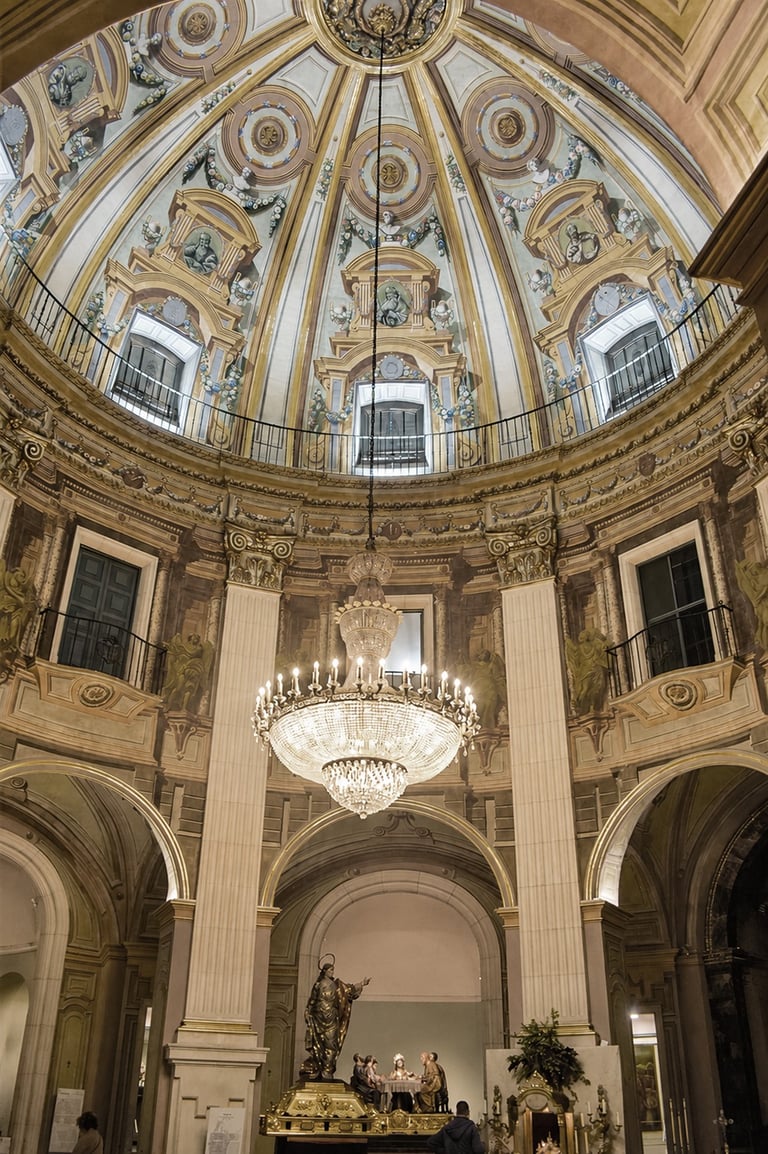
One of the most outstanding elements is the pictorial decoration carried out in 1792 by the Italian painter Pablo Sístori. His painted architectures, inspired by the great Italian Baroque decorators, cover the walls with complex perspective effects and abundant symbolism related to the Passion of Christ. Although some areas were altered during the reforms of the 20th century, the ensemble retains much of its original scenic capacity.
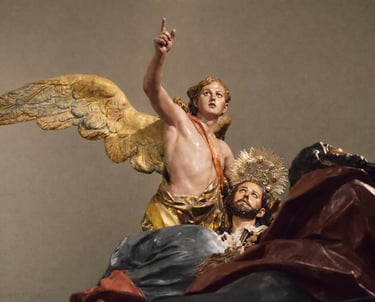
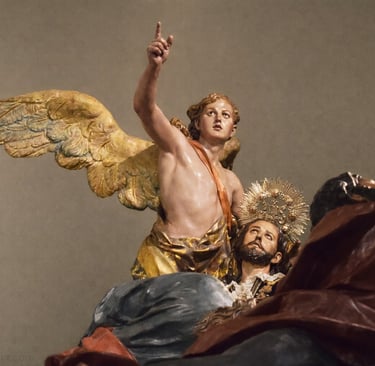
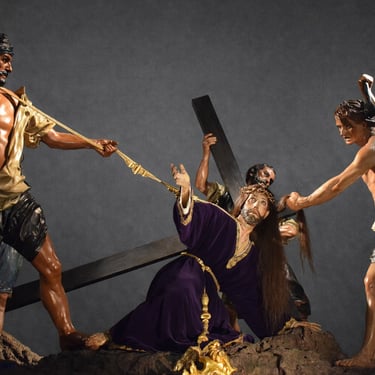
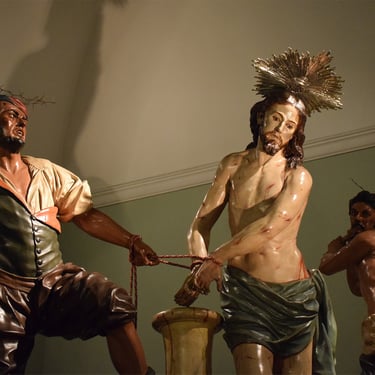
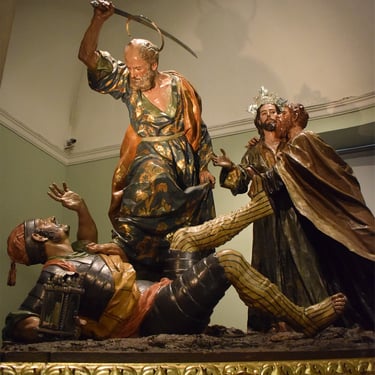
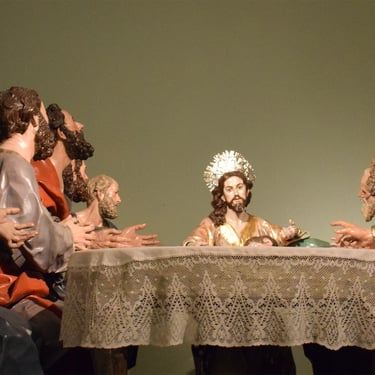
The church currently forms part of the Salzillo Museum and houses in its chapels the famous processional steps made by Francisco Salzillo for the Brotherhood of Jesus between 1752 and 1777. Works such as The Fall, The Agony in the Garden, The Veronica, Saint John, The Dolorous, The Last Supper, The Arrest, or The Scourging constitute one of the peaks of Spanish processional sculpture of the 18th century. Presiding over the ensemble is the titular image of Our Father Jesus Nazarene, a sculpture predating Salzillo adapted for processional worship at the beginning of the 17th century.
Guided tour to the Salzillo Museum
The best option to learn about the legacy of Francisco Salzillo, the most important artist in the history of Murcia and one of the most prominent figures in the history of Spanish art. A tour of around 1h30m led by an official guide graduated in history and an expert in artistic heritage.
Church of Our Father Jesus in Murcia
The church of Our Father Jesus Nazarene is closely linked to the history of Holy Week in Murcia and to the figure of Francisco Salzillo. Built between 1676 and 1696 as an independent seat of the Brotherhood of Our Father Jesus Nazarene, it arose after the prolonged conflicts that the brotherhood maintained with the neighboring Augustine community. The temple occupies the site of the ancient hermitage of San Sebastián and was blessed in 1696, becoming since then the spiritual center of one of the most influential religious institutions in the city.
If you want to learn in detail about this splendid church, the best option is through our tour “Guided Tour of the Salzillo Museum”. In it, you can thoroughly explore not only the temple but also the other rooms of the museum, to delve into the magnificent legacy of Francisco Salzillo, the most universal Murcian artist. Do not hesitate to contact for more information and bookings.
From an architectural point of view, it presents one of the most unique layouts of the churches in Murcia. Its main space is organized around a large central rotunda surrounded by a walkway and several radial chapels. This arrangement, uncommon in Spanish Baroque architecture, generates a dynamic perception of space and favors the contemplation of the artistic works distributed around the temple. The façade, completed by Francisco de Hontiyuelos in 1696 and later remodeled during the 18th century, introduces the visitor to an interior profoundly transformed by the reforms promoted by Joaquín Riquelme and Togores. He was the steward of the brotherhood that promoted the 18th-century reform of the church and commissioned the Holy Week steps to the brilliant Salzillo.
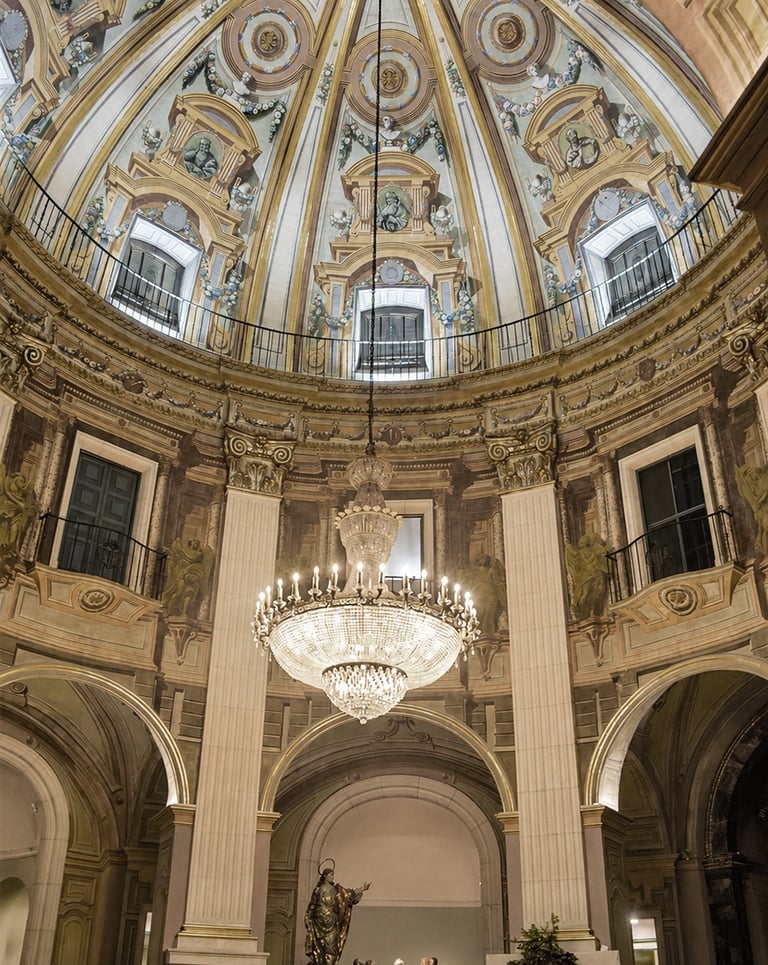
One of the most notable elements is the pictorial decoration carried out in 1792 by the Italian painter Pablo Sístori. His fictitious architectures, inspired by the great Baroque Italian decorators, cover the walls with complex perspective effects and abundant symbolism related to the Passion of Christ. Although some areas were altered during the reforms of the 20th century, the ensemble retains much of its original scenographic capacity.
The church currently forms part of the Salzillo Museum and houses in its chapels the famous processional steps made by Francisco Salzillo for the Brotherhood of Jesus between 1752 and 1777. Works such as The Fall, The Prayer in the Garden, The Veronica, Saint John, The Dolorosa, The Last Supper, The Arrest, or The Scourging constitute one of the peaks of Spanish processional sculpture of the 18th century. Presiding over the ensemble is the titular image of Our Father Jesus Nazarene, a carving predating Salzillo adapted for processional worship in the early 17th century.