Tour "The Best of Murcia"
The tour with everything you can't miss in Murcia. A two-hour itinerary ideal for small groups. With an official tour guide.
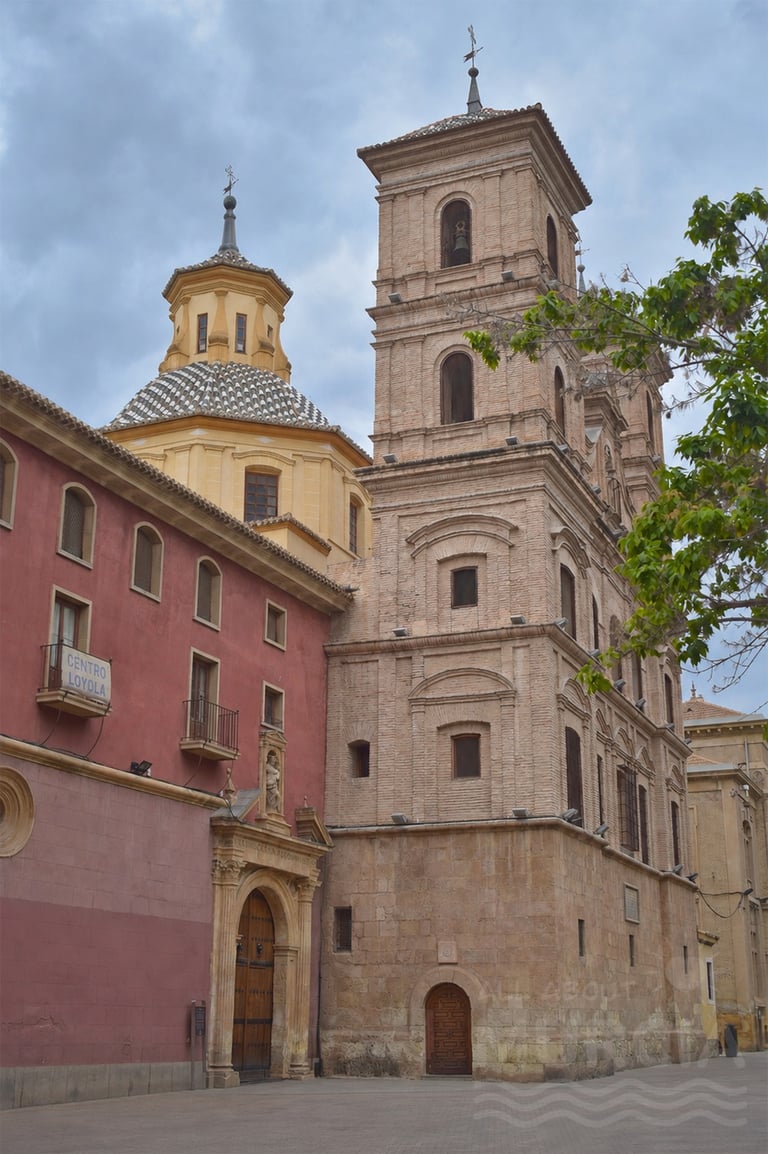
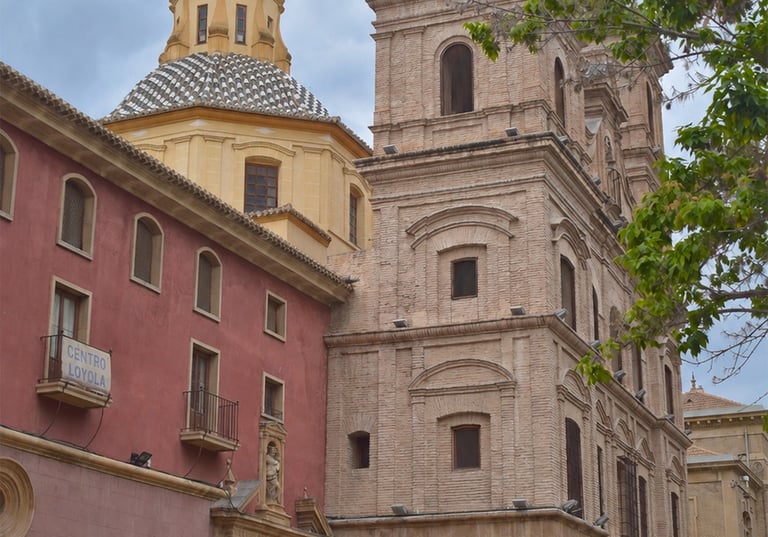
Church of Santo Domingo and Chapel of the Rosary (Murcia)
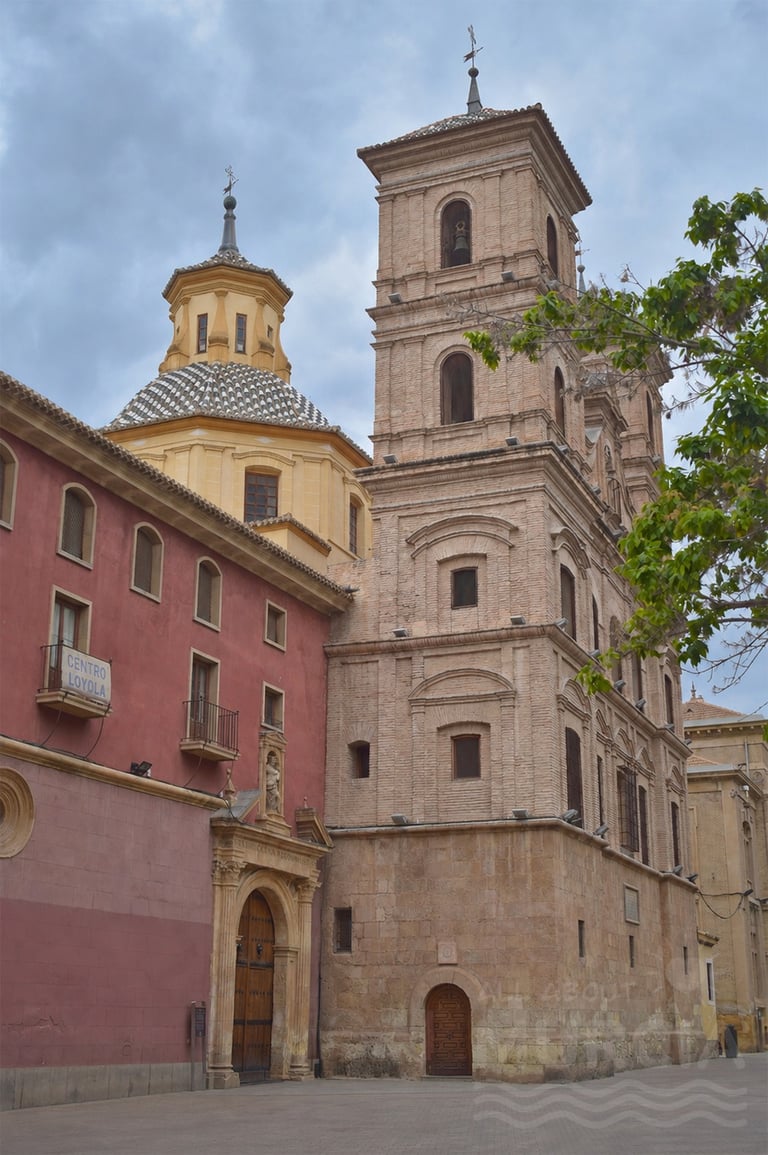
The Church of Santo Domingo and the adjoining Chapel of the Rosary constitute the main vestiges of the ancient Dominican convent of Murcia, one of the most influential religious foundations in the city since the Middle Ages.
Both the Plaza de Santo Domingo and that of the Romea are fundamental landmarks of our "Best of Murcia" walking tour. It is the ideal way to discover all the must-see attractions of the city in an itinerary of about two hours accompanied by an official tour guide. Don't hesitate to contact for more information and reservations.
Although the origins of the ensemble date back to the 13th century, the preserved buildings belong to two distinct stages: the Chapel of the Rosary, started in the 16th century, and the large convent church built between 1722 and 1745, at the height of the Murcian Baroque. After the Disentailment of 1836, most of the monastery disappeared, leaving only both temples, which since the second half of the 19th century have been linked to the Society of Jesus.
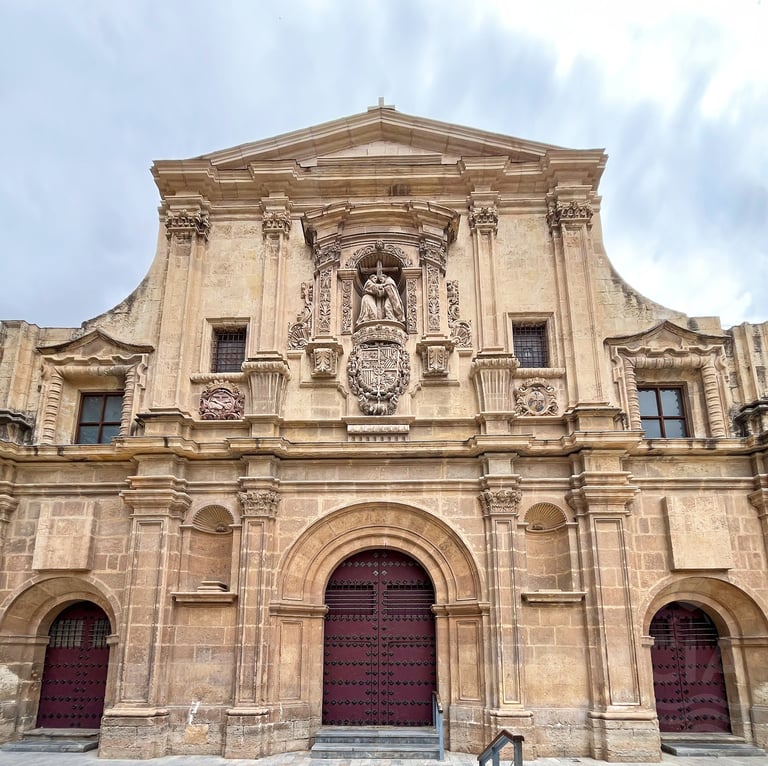
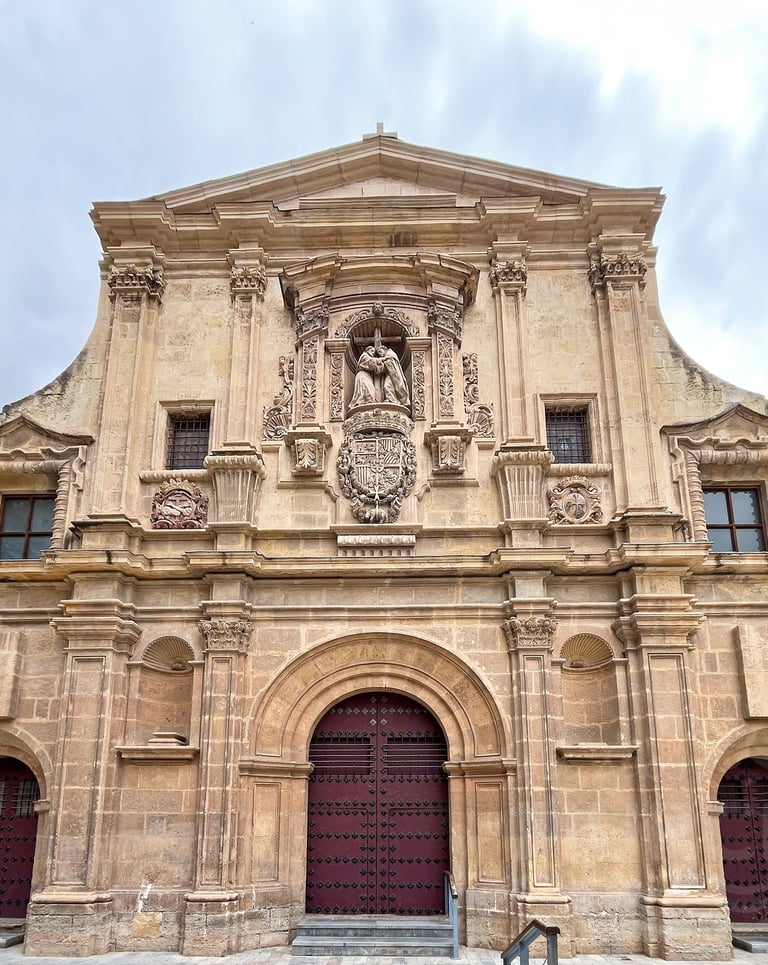
The convent church stands out for its remarkable dimensions, typical of the large male convents of Baroque Murcia. Its main façade, oriented towards the Teatro Romea, combines a composition of classicist roots with Baroque decorative elements. In the upper body, the sculptural group representing Saint Dominic of Guzmán and Saint Francis of Assisi embracing at the foot of the cross stands out, accompanied by the shields of both religious orders.
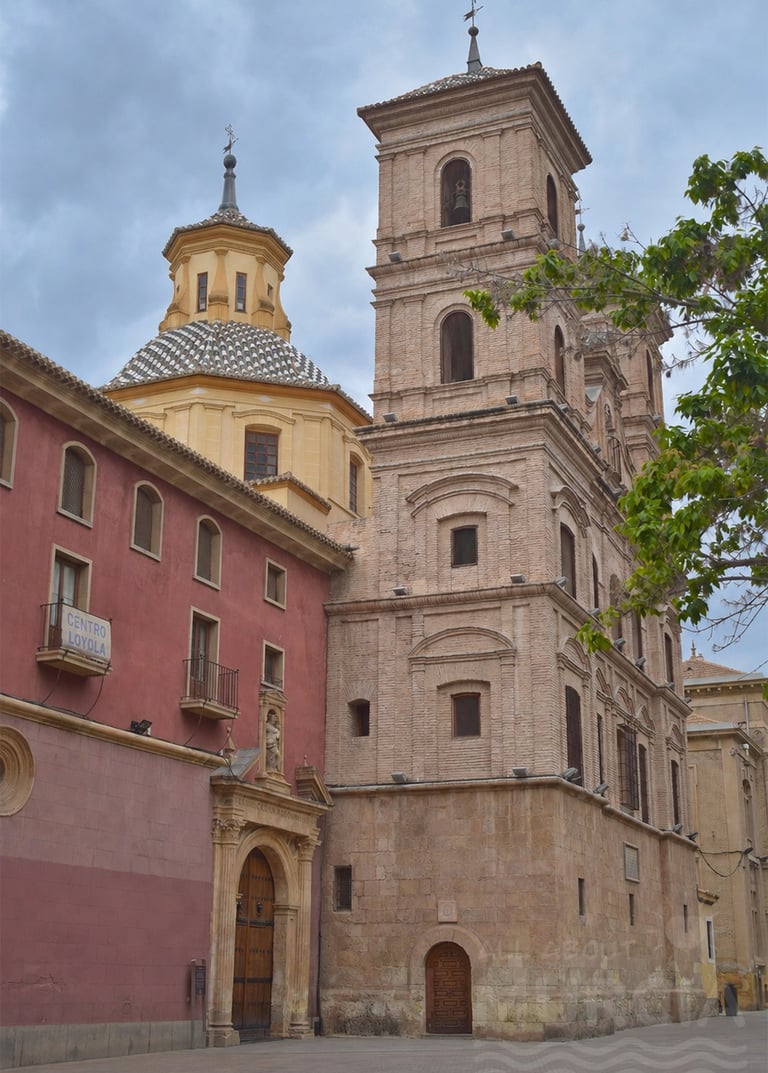
Equally unique is the façade facing the Plaza de Santo Domingo. Conceived more as a monumental curtain than as a functional entrance, it articulates brick and stone to create a studied play of light and shadow. It prominently features the figure of Saint Vincent Ferrer peering out from a false balcony, evoking the preachings that the Valencian saint carried out in this place in 1411.
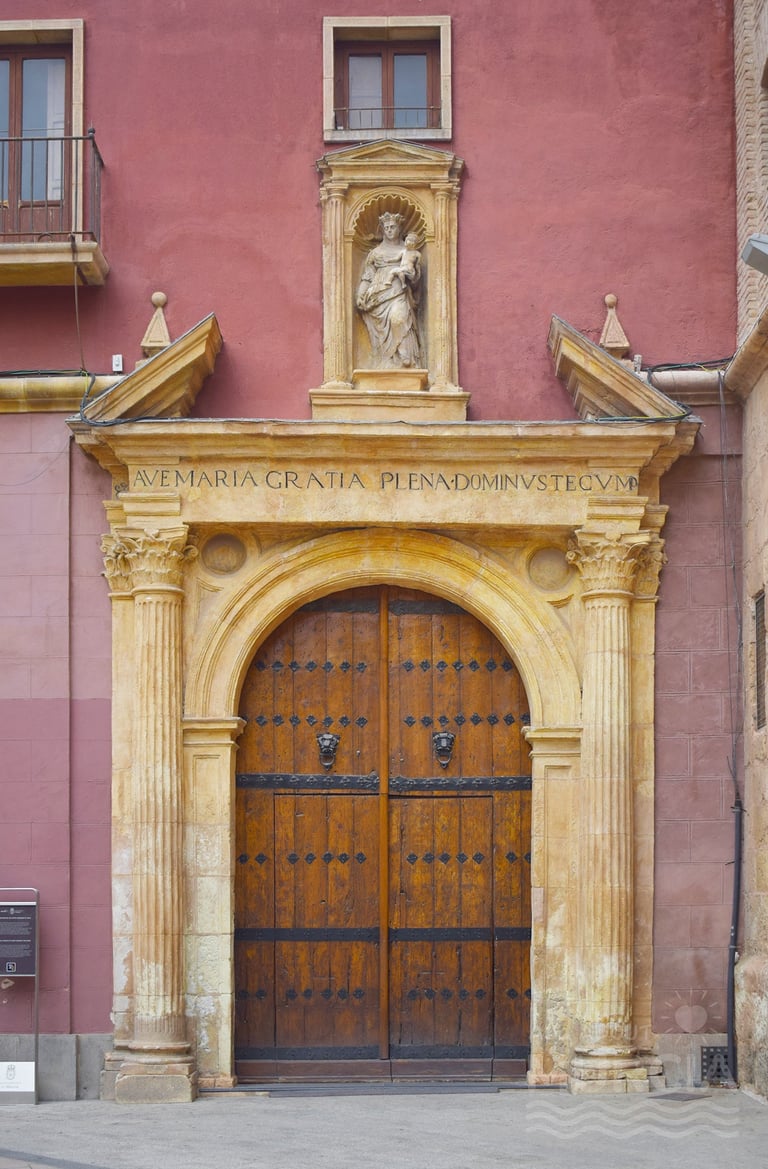
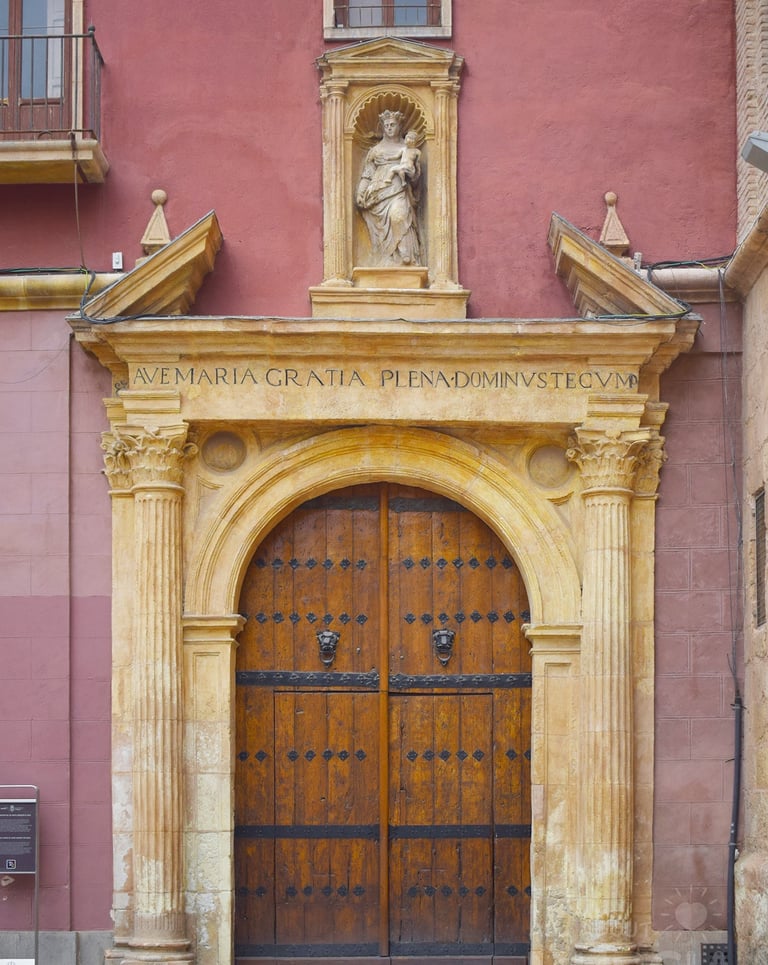
The interior presents a three-nave plan and a wide crossing, to which the Chapel of the Rosary is attached. This latter constitutes the oldest part of the ensemble and for centuries was one of the city's main devotional centers. It has a splendid Renaissance portal facing the Plaza de Santo Domingo. Two Corinthian columns support a broken pediment in the center of which is a niche containing the image of the Virgin with the Child, in the manner of Roman matronas. The lintel reads “AVE MARIA GRATIA PLENA DOMINVS TECVM” (Hail Mary, full of grace, the Lord is with you). The chapel could also be accessed through the famous Arch of Santo Domingo, built by Toribio Martínez de la Vega to connect the chapel with the nearby palace of the Counts of Almodóvar, its main benefactors.
The ensemble also preserves a significant artistic heritage, with paintings by Mateo Gilarte, Baroque frescoes in the Chapel of the Rosary, and various sculptures by Nicolás de Bussy, Nicolás Salzillo, and Francisco Salzillo, a testament to the close relationship between the Dominicans and some of the main artists who worked in Murcia during the 17th and 18th centuries.
Tour "The Best of Murcia"
The tour with everything you cannot miss in Murcia. An itinerary of two hours ideal for small groups. With an official tourism guide.
Church of Santo Domingo and Chapel of Rosario (Murcia)
The Church of Santo Domingo and the adjoining Chapel of Rosario constitute the main remnants of the ancient Dominican convent of Murcia, one of the most influential religious foundations in the city since the Middle Ages.
Both the Plaza de Santo Domingo and the Plaza del Romea are fundamental landmarks of our walking tour "The Best of Murcia". It is the ideal way to get to know all the essentials of the city on a two-hour itinerary accompanied by an official tour guide. Don’t hesitate to contact for more information and reservations.
Although the origins of the ensemble date back to the 13th century, the preserved buildings belong to two distinct stages: the Chapel of Rosario, initiated in the 16th century, and the large conventual church built between 1722 and 1745, at the height of the Murcian Baroque. After the Disentailment of 1836, most of the monastery disappeared, with only both temples being preserved, which since the second half of the 19th century have been linked to the Society of Jesus.
The conventual church stands out for its remarkable dimensions, characteristic of the large male convents of Baroque Murcia. Its main façade, facing the Teatro Romea, combines a composition with classicist roots and Baroque decorative elements. The upper body features a sculptural group that represents Santo Domingo de Guzmán and San Francisco de Asís embracing at the foot of the cross, accompanied by the emblems of both religious orders.
Equally unique is the façade that faces the Plaza de Santo Domingo. Designed more as a monumental curtain than as a functional entrance, it combines brick and stone to create a studied play of light and shadow. It features the figure of San Vicente Ferrer leaning out from a false balcony, evoking the preachings that the Valencian saint performed in this place in 1411.
The interior has a three-nave layout and a wide transept, to which the Chapel of Rosario is adjoined. The latter constitutes the oldest part of the ensemble and has been for centuries one of the main devotional centers of the city. It has a splendid Renaissance portal that opens onto the Plaza de Santo Domingo. Two Corinthian columns support a broken pediment in the center of which is an alcove with the image of the Virgin with Child, in the manner of Roman matrons. On the lintel, it reads "AVE MARIA GRATIA PLENA DOMINVS TECVM" (Hail Mary, full of grace, the Lord is with you). Access to the chapel was also possible through the well-known Arch of Santo Domingo, built by Toribio Martínez de la Vega to connect the chapel with the nearby palace of the counts of Almodóvar, its main benefactors.
The ensemble also preserves a significant artistic heritage, with paintings by Mateo Gilarte, Baroque frescoes in the Chapel of Rosario, and various sculptures by Nicolás de Bussy, Nicolás Salzillo, and Francisco Salzillo, testimony of the close relationship between the Dominicans and some of the leading artists who worked in Murcia during the 17th and 18th centuries.