Tour "The Best of Murcia"
The tour with everything you can't miss in Murcia. An itinerary of two hours ideal for small groups. With an official tour guide.
Monastery of Santa Clara la Real (Murcia)
The monastery of Santa Clara la Real occupies one of the most unique historical sites in Murcia, as it combines more than eight centuries of Christian history with some of the most important preserved remains of Islamic Murcia. The monastic complex is situated on the ancient Alcázar Menor or Al-Qasr al-Sagir, a recreational palace built by the Muslim sovereigns of Murcia during the 13th century, and, in turn, on even older palatial structures linked to the reign of Ibn Mardanis, the famous Wolf King. After the definitive incorporation of Murcia into Castile, the ancient palace passed into the hands of the Crown until, in 1365, Peter I donated it to the community of Clarisses, who have remained in this place ever since.
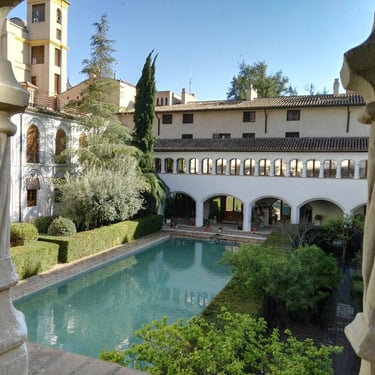
The current monastery is the result of successive transformations carried out between the 14th and 18th centuries. From the final stage of Gothic architecture, the magnificent cloister is preserved, built under the patronage of the Catholic Monarchs. Organized on two levels, it combines lowered arches on the ground floor with delicate mixtilinear arches on the upper floor, constituting a magnificent example of conventual architecture in the city. Also belonging to this phase is the ancient choir of the primitive church, covered by a starry vault decorated with surprising paintings of dragons and symbolic motifs linked to the spirituality of the late Middle Ages.
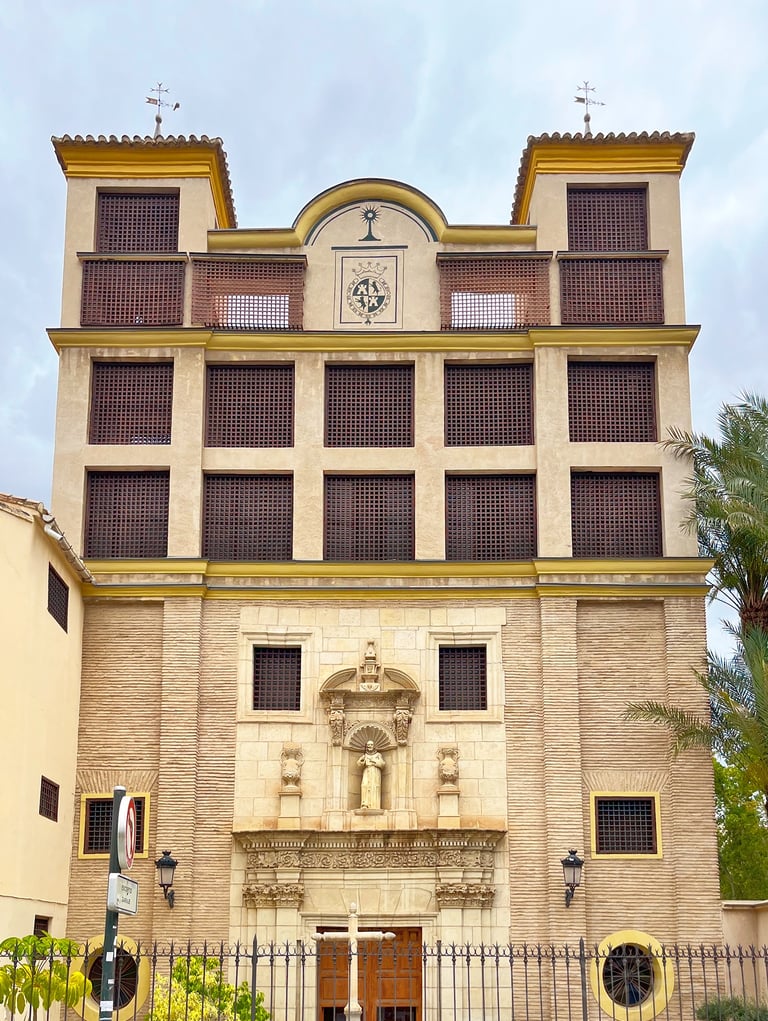
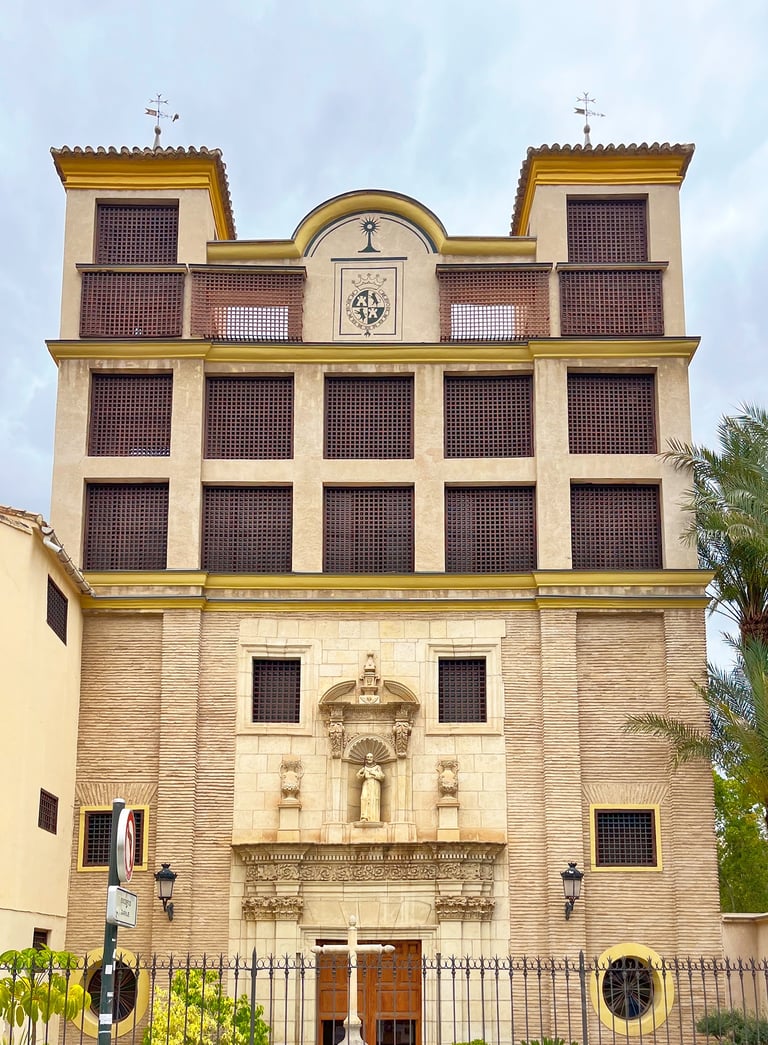
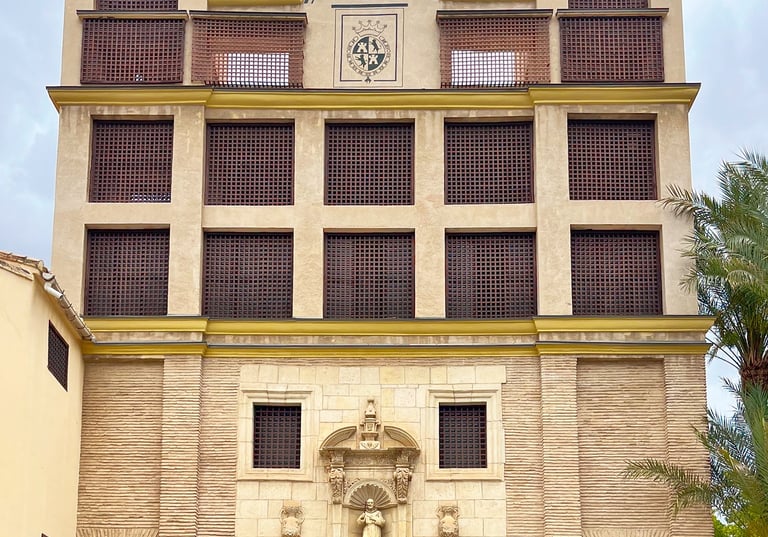
The current church was built in the 17th century following designs by Melchor de Luzón and enriched during the 18th century with exuberant Baroque and Rococo decoration. It has a Latin cross plan, lateral chapels connected, and the crossing is covered by a semi-spherical dome on pendentives. Externally, the church presents a very characteristic image within the Murcian heritage. Its Baroque facade stands out for the simplicity of its lines and for the decorative vegetal elements of 18th-century tradition. In the niche that opens over the entrance, we find the figure of Saint Francis. However, the most distinctive feature of the facade are the two upper bodies with latticework that flank the complex. These unique viewpoints allowed the nuns to observe certain ceremonies and events without leaving the cloister, becoming over time one of the most recognizable elements of the monastery.
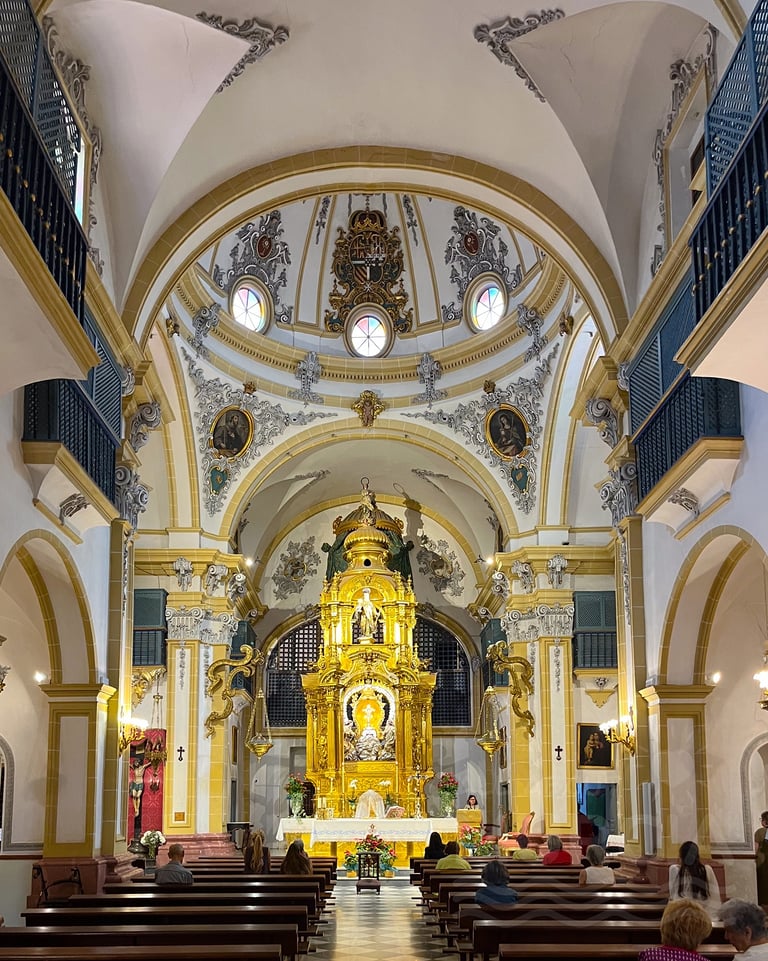
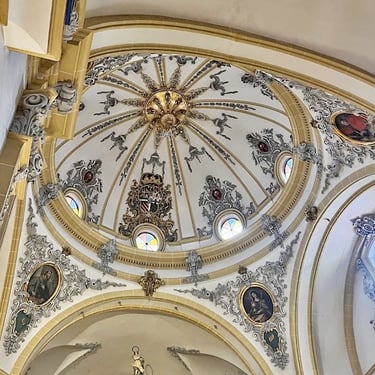
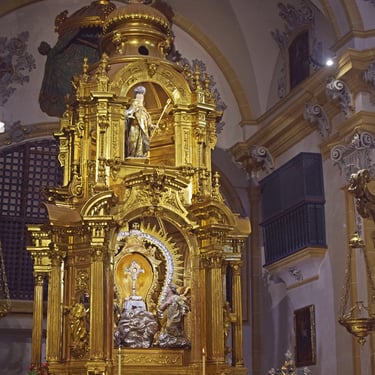
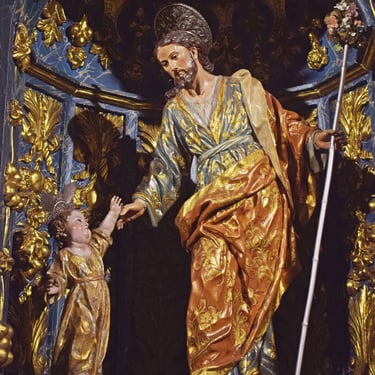
Inside, the rich decoration made of Baroque plasterwork runs along the upper part of the pilasters, cornices, pendentives, and the interior of the dome. The large royal coat of arms located above the presbytery stands out, highlighting the patronage of the crown over the monastery. Upon entering the temple, the eyes are drawn to the spectacular tabernacle-retablo created around 1755 by José Ganga Ripoll and Francisco Salzillo. Conceived as a freestanding structure of Italian inspiration, it allows the sculptures to be seen from different points of view and constitutes one of the most original creations of Murcian Baroque. Important works by Salzillo are also preserved, such as the Immaculate Conception and the group of Saint Joseph with the Child.
Tour "The Best of Murcia"
The tour with everything you can't miss in Murcia. An itinerary of two hours ideal for small groups. With an official tour guide.
Monastery of Santa Clara la Real (Murcia)
The Monastery of Santa Clara la Real occupies one of the most unique historical enclaves in Murcia, as it combines more than eight centuries of Christian history with some of the most important preserved remains of the Islamic Murcia. The monastic complex is seated over the ancient Alcázar Menor or Al-Qasr al-Sagir, a pleasure palace built by the Muslim sovereigns of Murcia during the 13th century and, in turn, over even older palatial structures linked to the reign of Ibn Mardanis, the famous Wolf King. After the definitive incorporation of Murcia into Castile, the ancient palace passed into the hands of the Crown until, in 1365, Pedro I donated it to the community of clarisses, who have remained in this place ever since.
The current monastery is the result of successive transformations made between the 14th and 18th centuries. From the final Gothic stage, the magnificent cloister is preserved, built under the patronage of the Catholic Monarchs. Organized in two levels, it combines lowered arches on the ground floor with delicate mixtilinear arcades on the upper floor, constituting a magnificent example of conventual architecture in the city. The ancient choir of the primitive church, covered by a star-vault decorated with surprising paintings of dragons and symbolic motifs linked to the spirituality of the late Middle Ages, also belongs to this phase.
The current church was erected in the 17th century following the designs of Melchor de Luzón and enriched during the 18th century with exuberant Baroque and Rococo decoration. It presents a Latin cross plan, lateral chapels connected, and the transept is covered by a semispherical dome over pendentives. Externally, the church offers a very characteristic image within the Murcian heritage. Its Baroque façade stands out for the simplicity of its lines and for the decorative vegetal elements of eighteenth-century tradition. In the niche that opens over the entrance, we find the figure of Saint Francis. However, the most distinctive feature of the façade are the two upper bodies with lattices that flank the ensemble. These singular balconies allowed the nuns to contemplate certain ceremonies and events without leaving the cloister, becoming over time one of the most recognizable elements of the monastery.
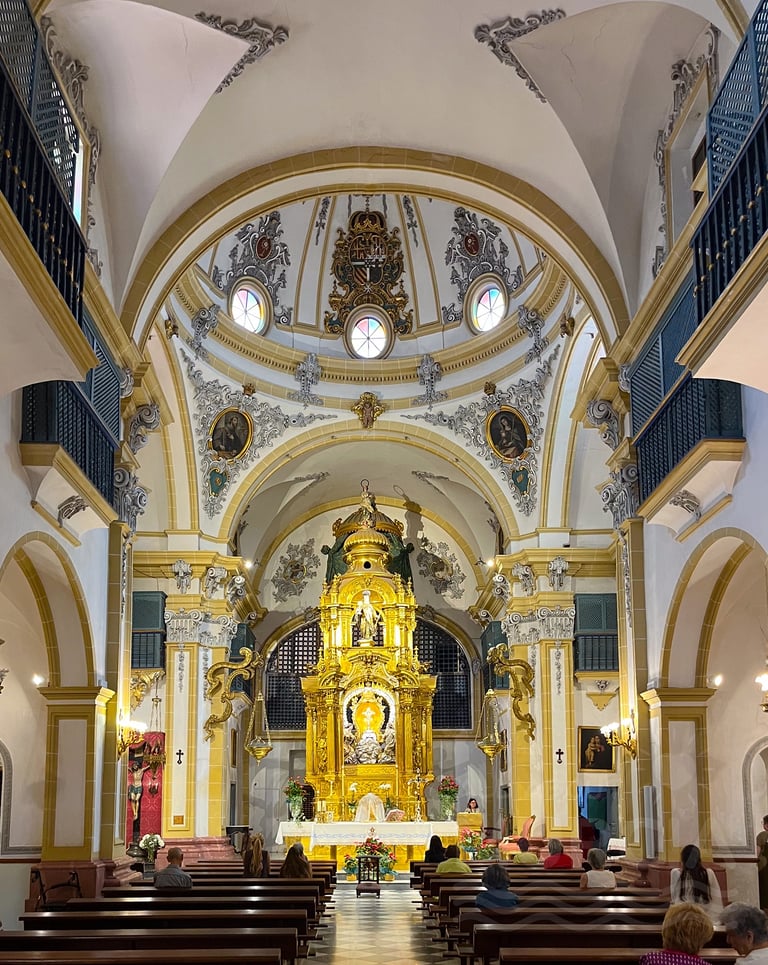
Inside, the rich decoration made of Baroque plasterwork runs along the upper part of the pillars, cornices, pendentives, and the interior of the dome. The great royal shield located above the presbytery stands out, highlighting the patronage of the crown over the monastery. Upon entering the temple, the gaze is directed towards the spectacular tabernacle-altarpiece made around 1755 by José Ganga Ripoll and Francisco Salzillo. Conceived as a free-standing structure inspired by Italian styles, it allows for viewing the sculptures from different angles and constitutes one of the most original creations of the Murcian Baroque. Important works by Salzillo are also preserved, such as the Immaculate Conception and the group of Saint Joseph with the Child.