
Baroque churches of Murcia
Few Spanish cities preserve such an intense baroque imprint as Murcia. During the 17th and, above all, 18th centuries, the city transformed into one of the main religious centers of the southern peninsula, home to an extensive diocese and a scene of intense constructive activity driven by bishops, religious orders, brotherhoods, and pious foundations. The economic growth derived from irrigation agriculture and the flourishing silk industry provided the necessary resources to build new churches, convents, seminaries, and schools, configuring an authentic ecclesiastical city that still today defines a large part of the historical image of Murcia.
Characteristics of the Baroque churches of Murcia
The Baroque churches of Murcia respond, for the most part, to a common architectural model that ended up defining the religious image of the city during the 18th century. These are temples designed for the needs of the liturgy of the Counter-Reformation, where spatial clarity, monumentality, and the capacity to accommodate a large number of faithful prevail.
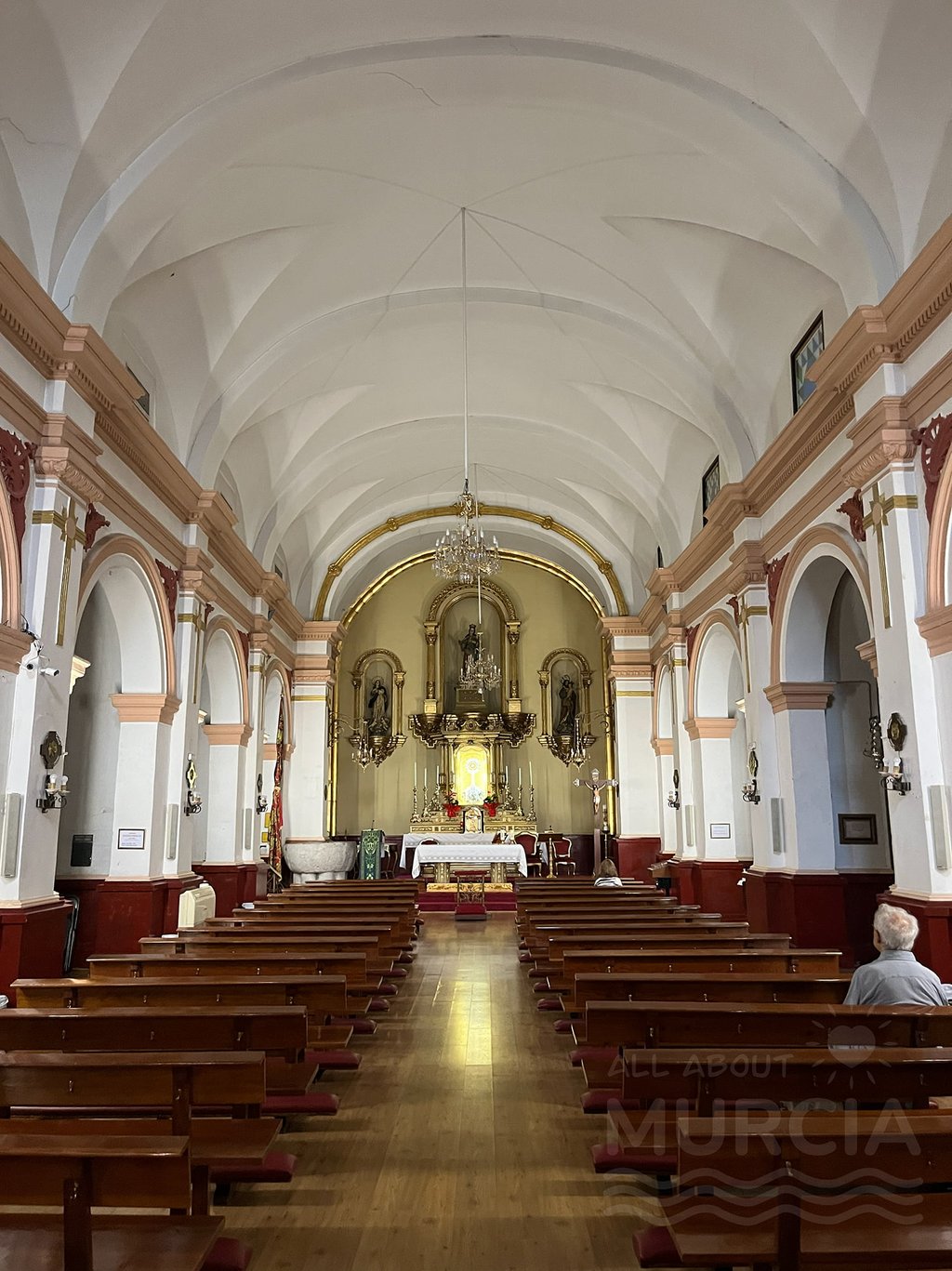
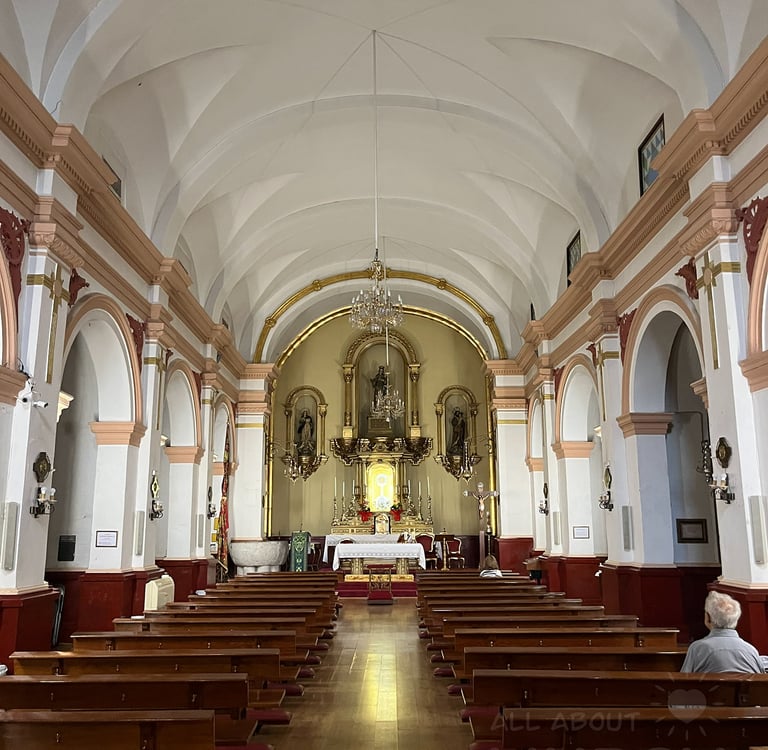
The most common layout is that of a Latin cross, formed by a wide central nave covered with a barrel vault with lunettes, lateral chapels interconnected, and a transept topped by a large dome. The arrangement of spaces seeks to create a unitary and easily visible interior, favoring preaching and participation in religious ceremonies.
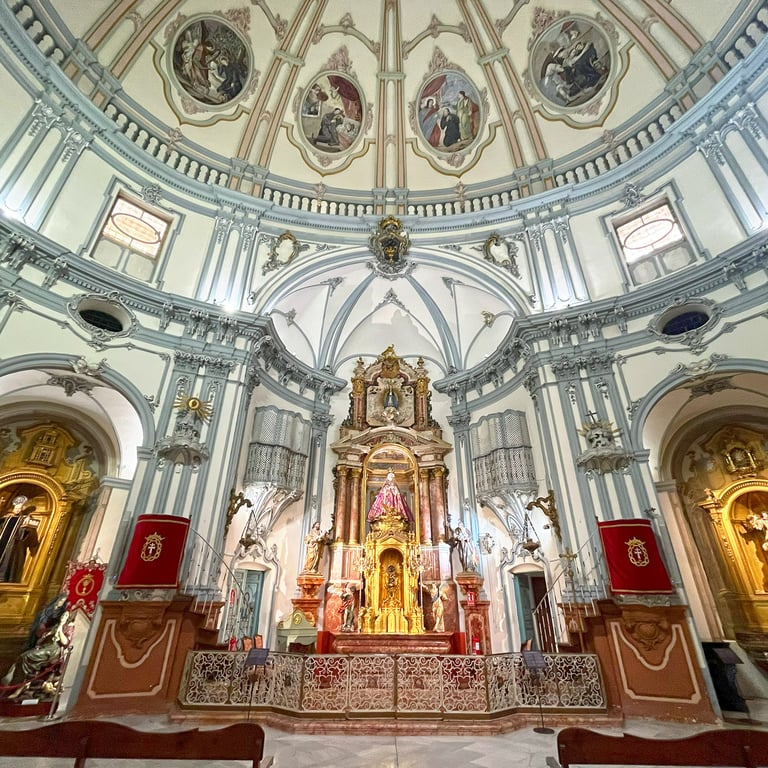
The elevations are characterized by the use of large giant-order pilasters, robust arches, and powerful vaults that confer a marked feeling of solidity and monumentality to the interiors. Despite the simplicity of their geometric designs, these churches possess a great harmony of proportions and a studied play of light, especially in the transept, where the illumination from the dome focuses attention on the main altar.
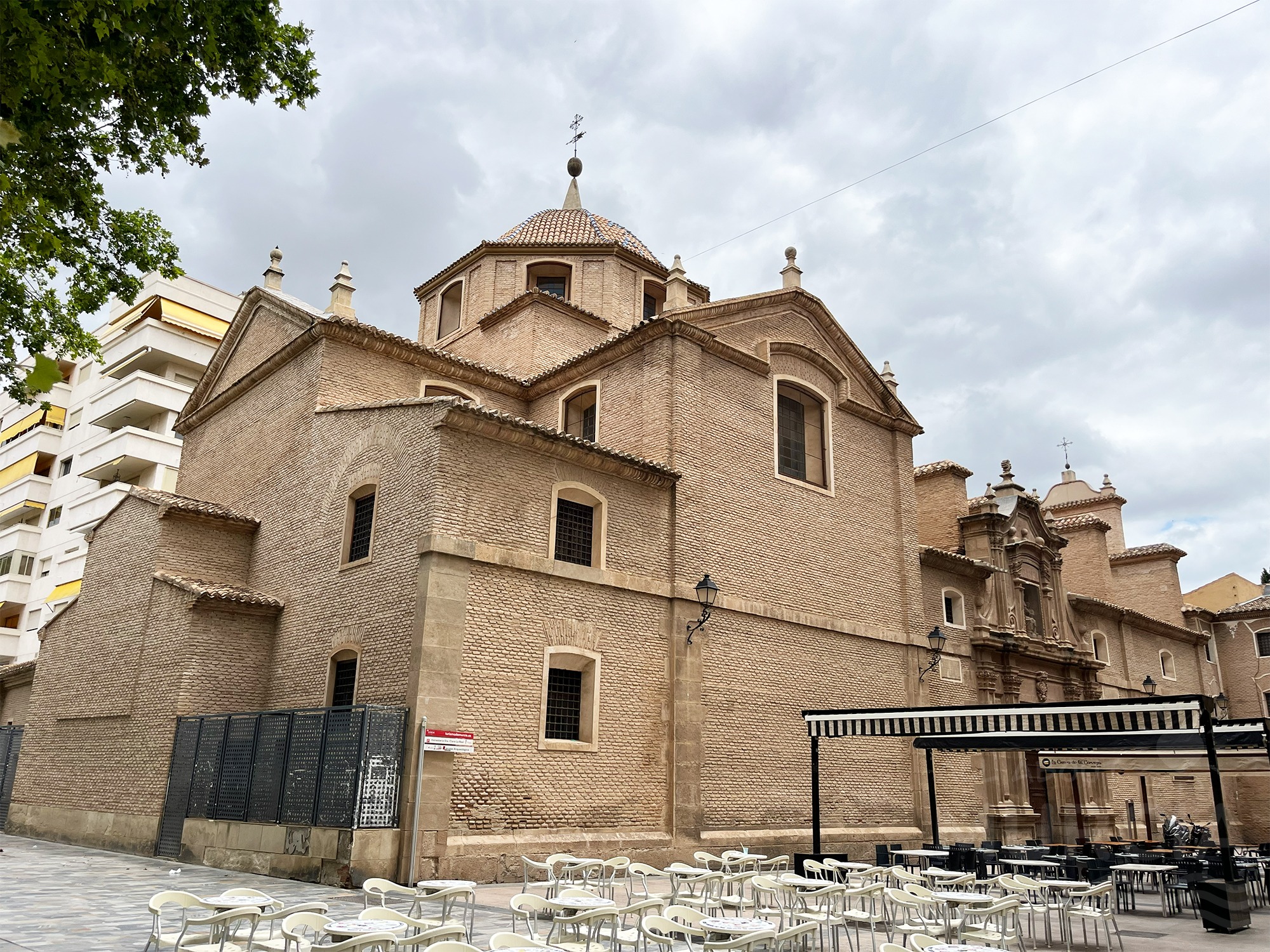
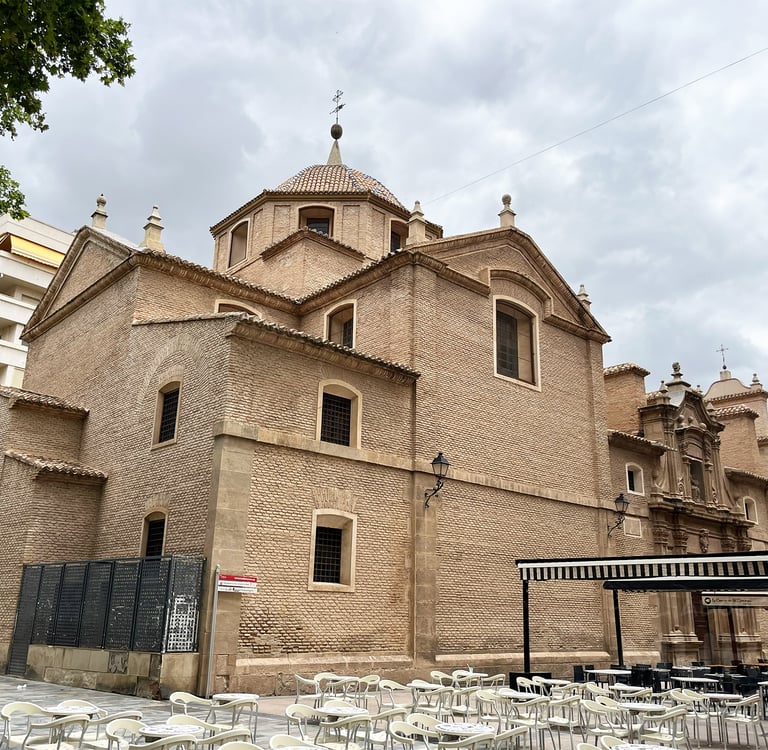
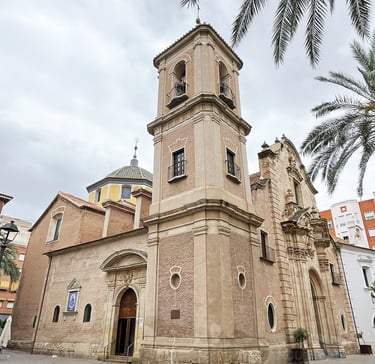
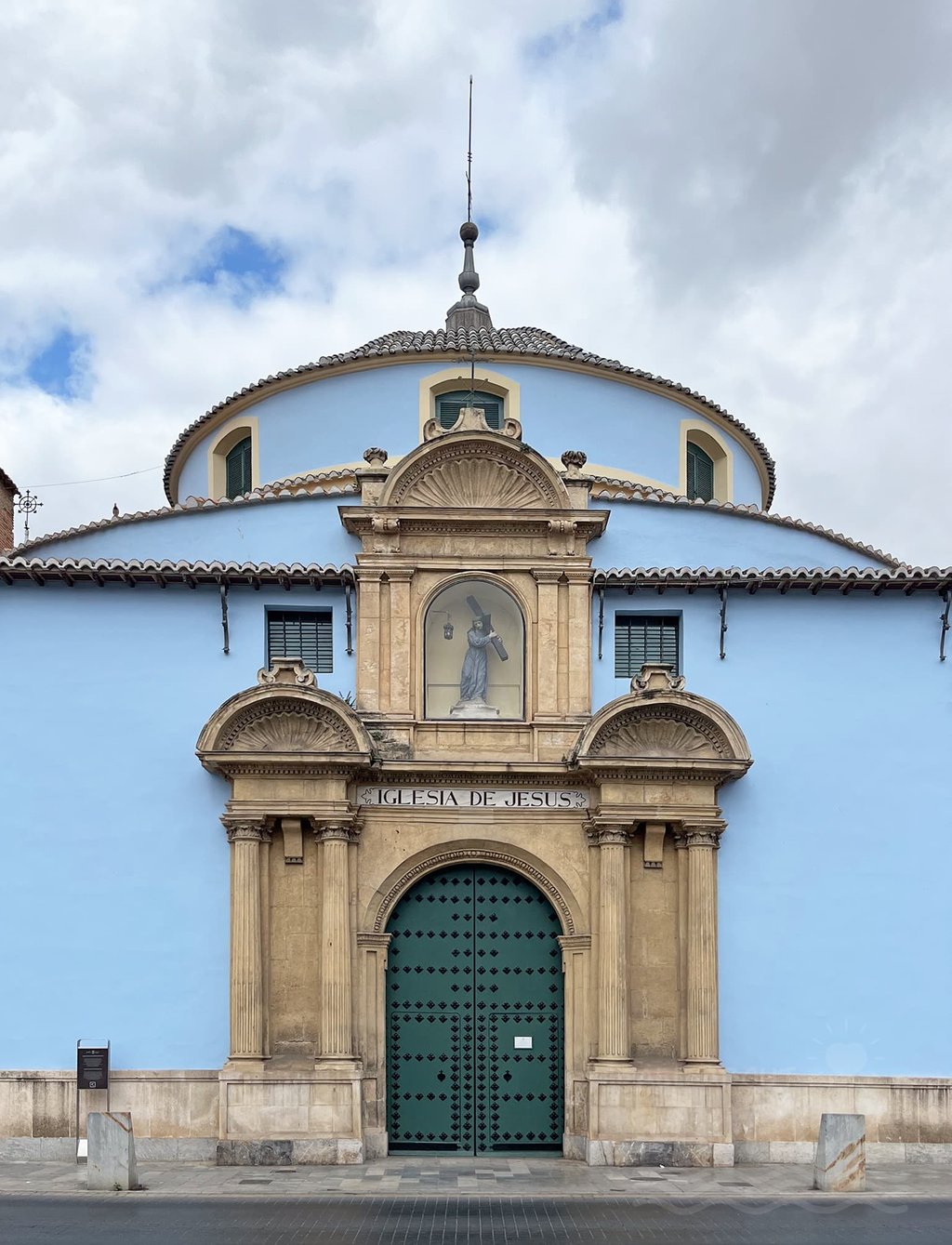
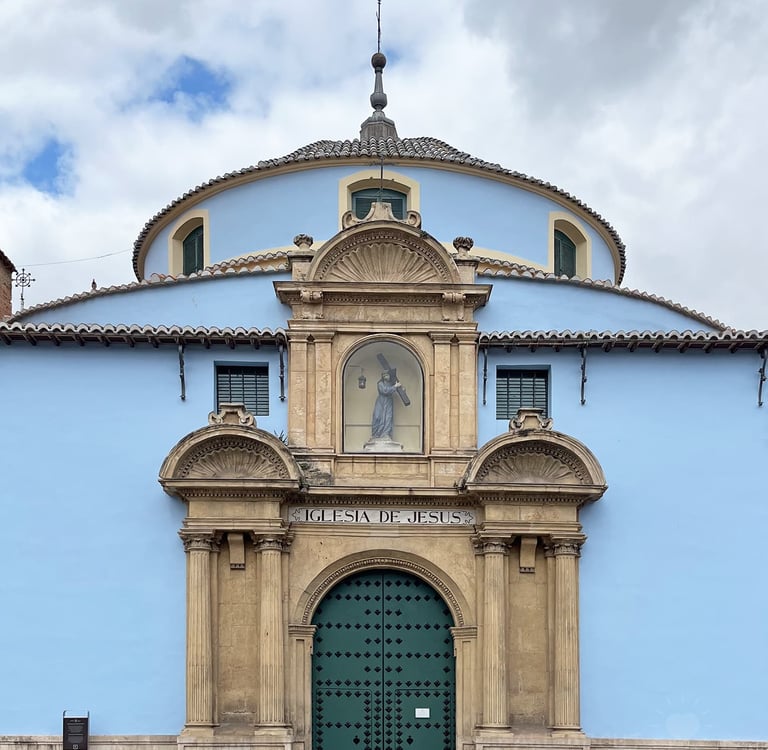
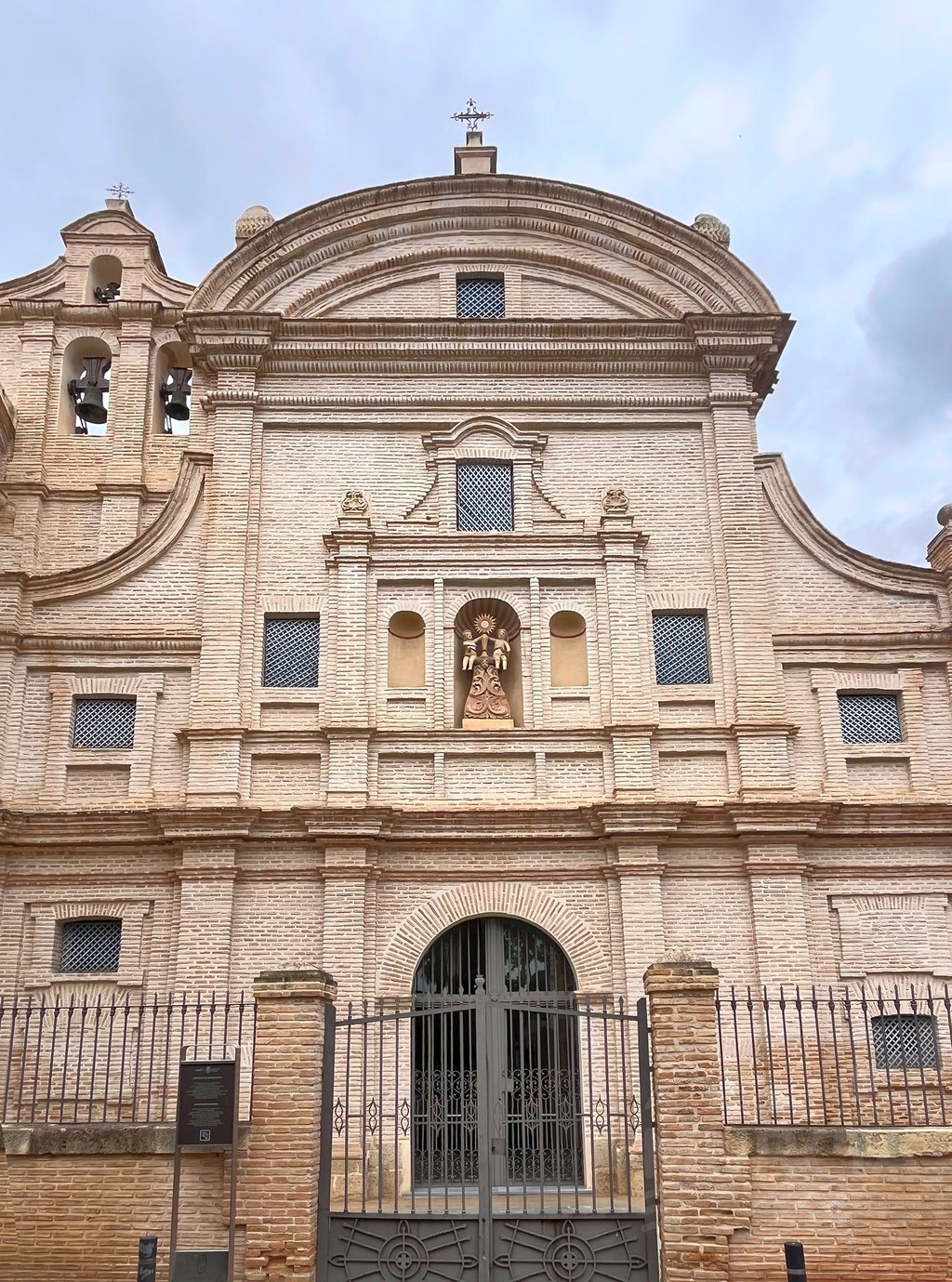
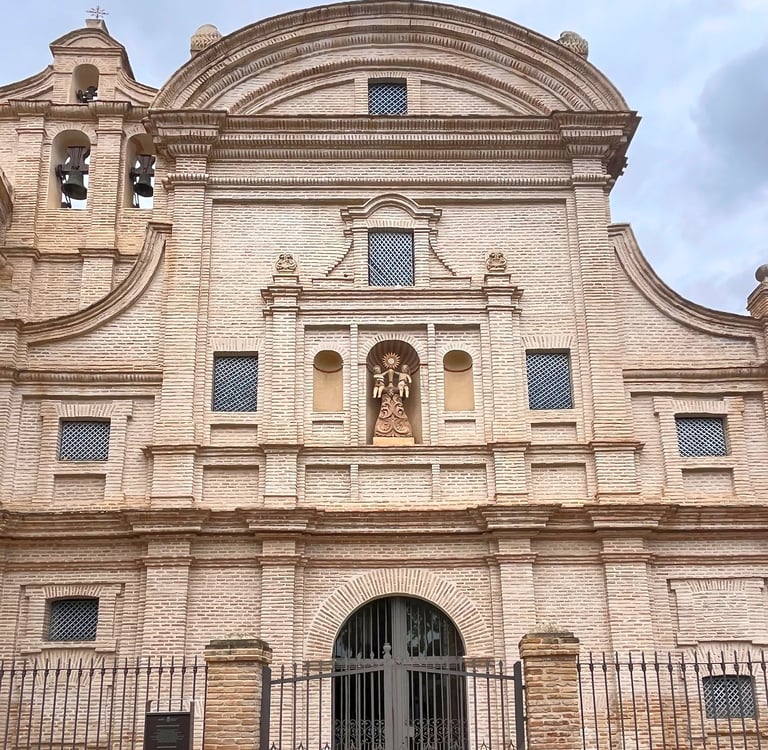
On the exterior, brick and masonry constructions predominate, traditional materials of Murcian architecture. The volumes are organized with great clarity, stepping up from the chapels and the nave to culminate in the dome, a true leading element of the urban profile of these churches. Most present the characteristic concave profile of the “Levantine domes,” named so for their great frequency both in the Region of Murcia and in the neighboring Valencian Community.
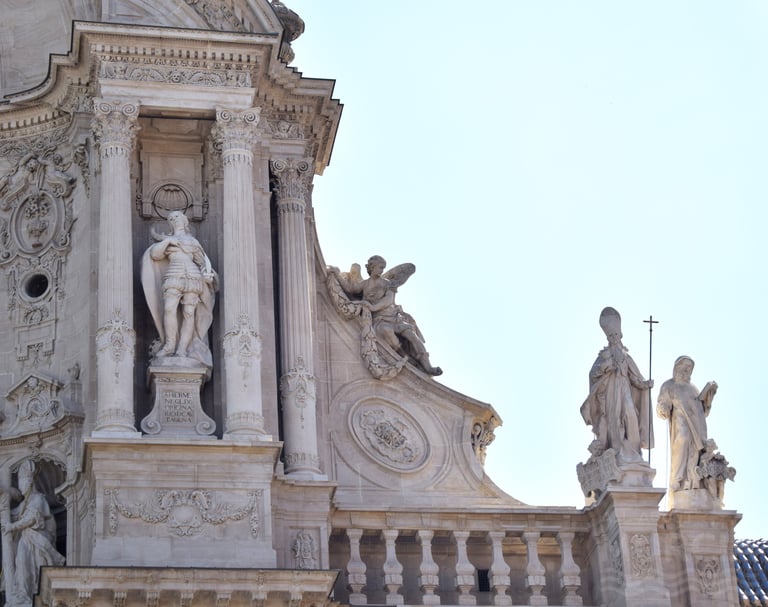
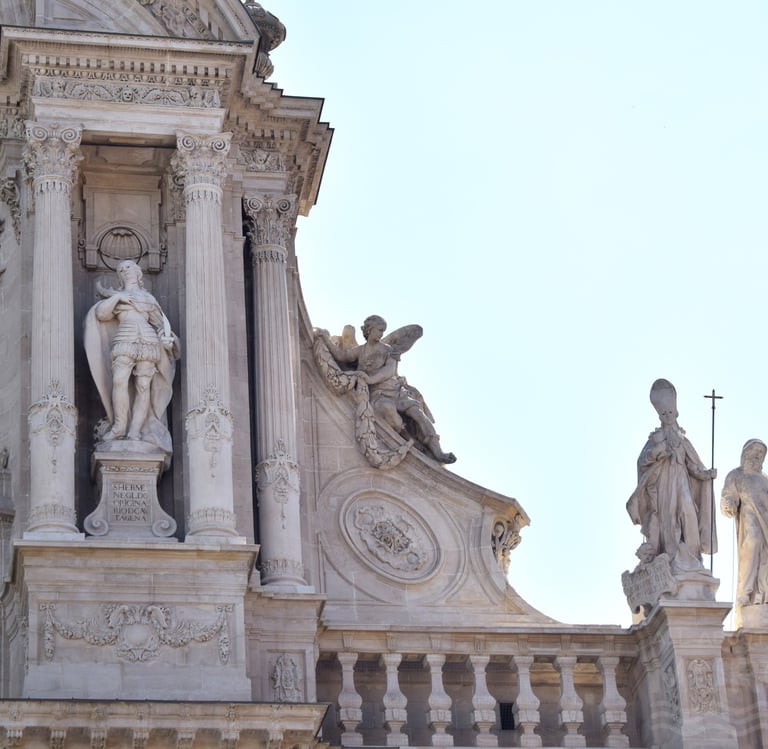
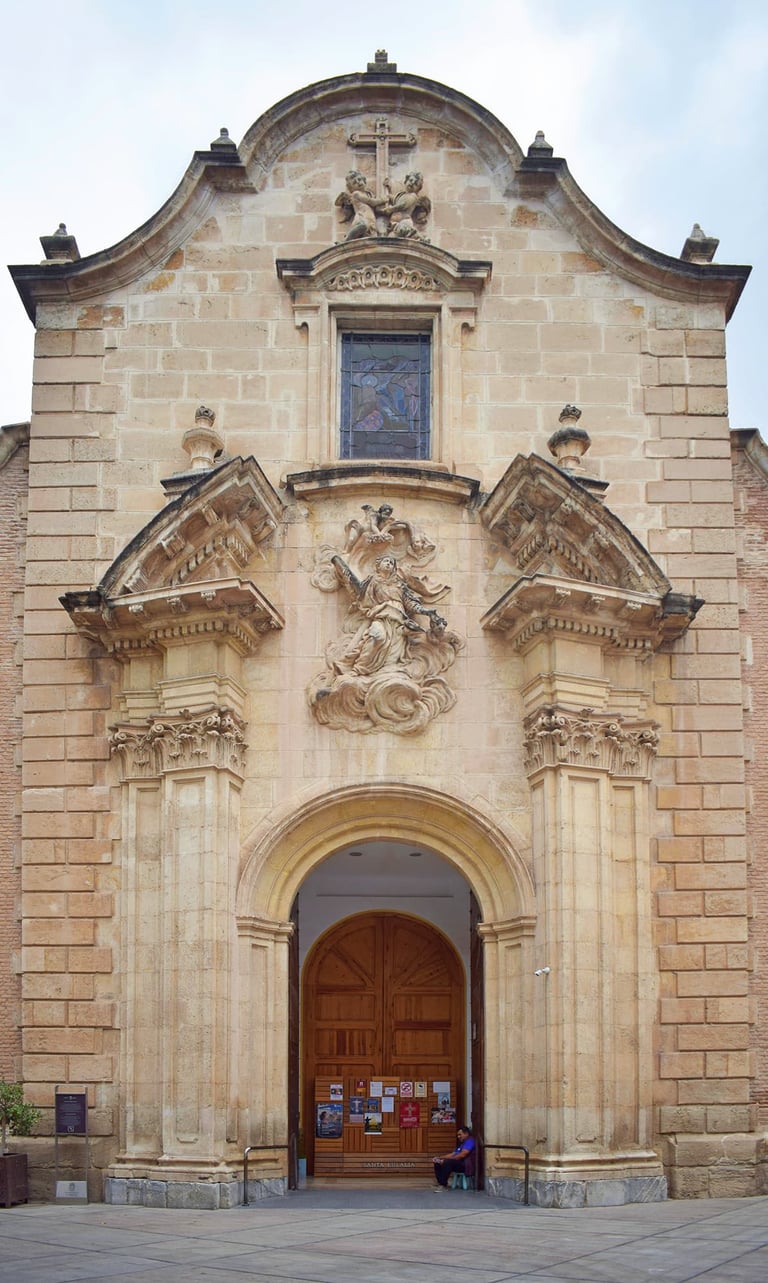
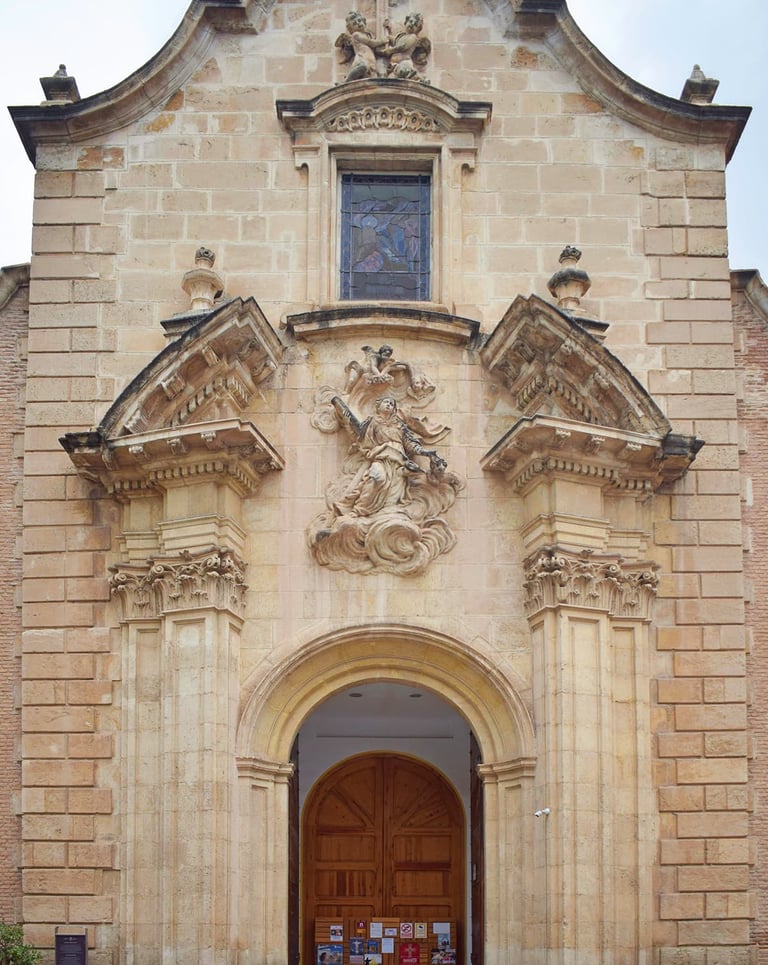
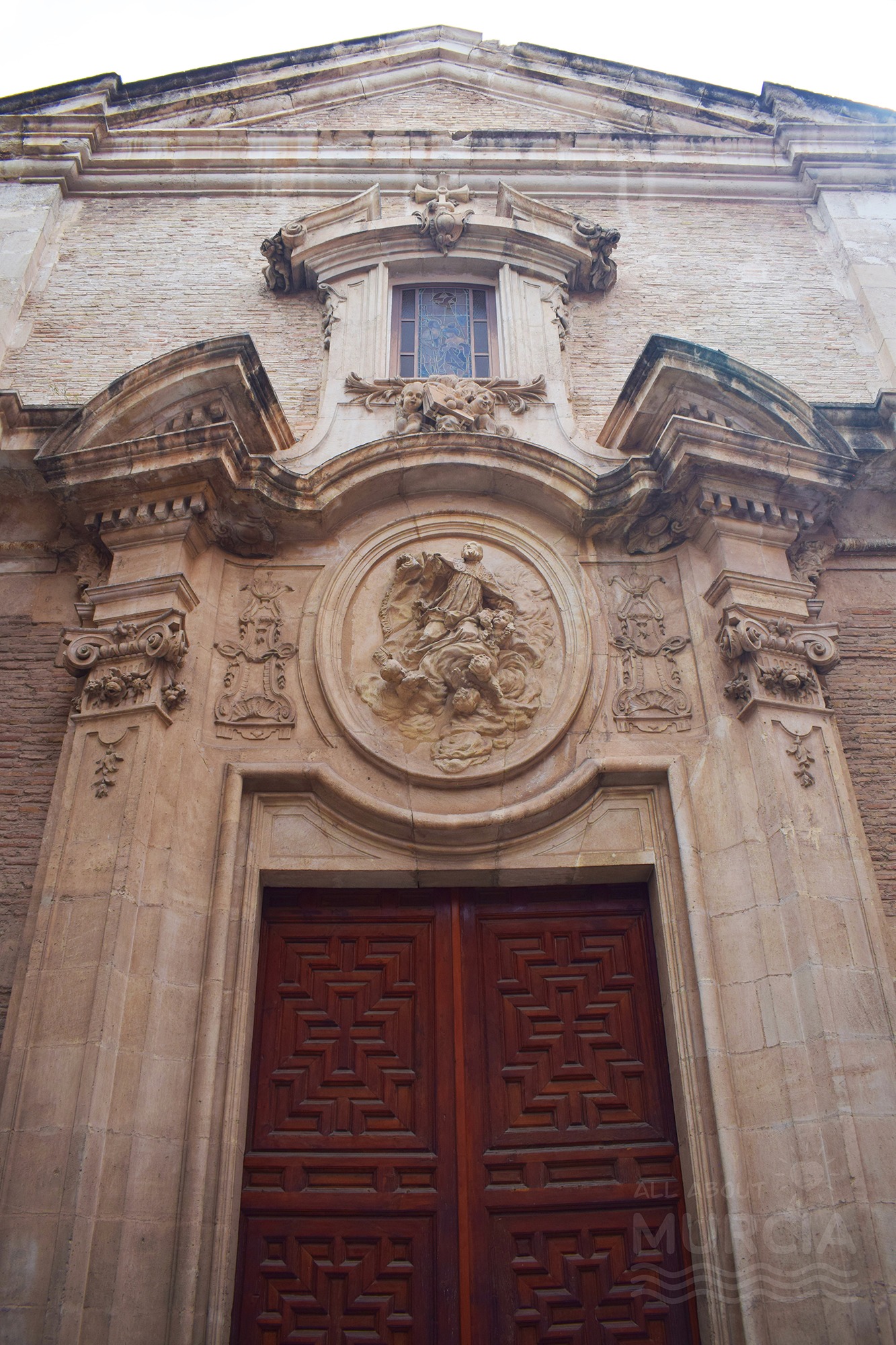
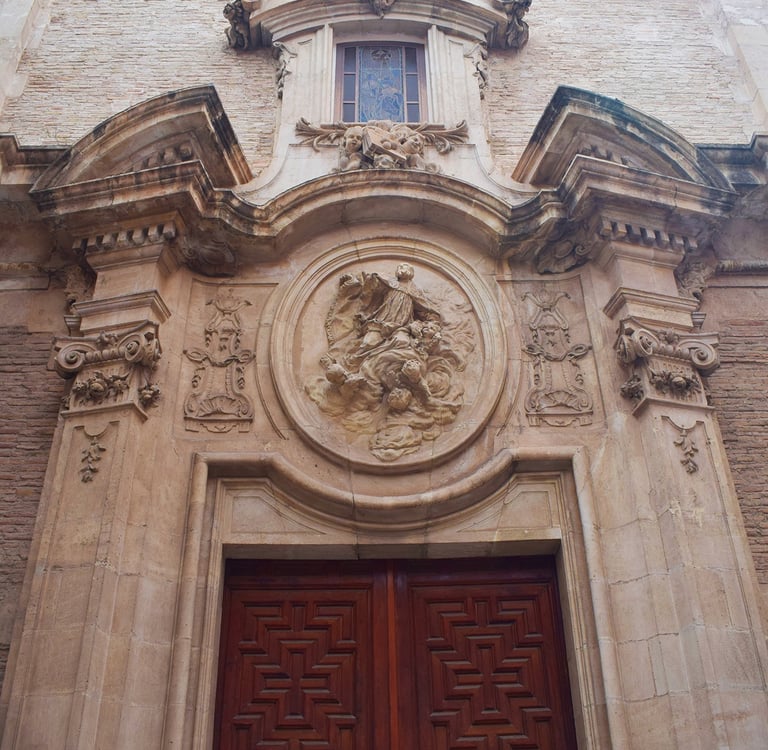
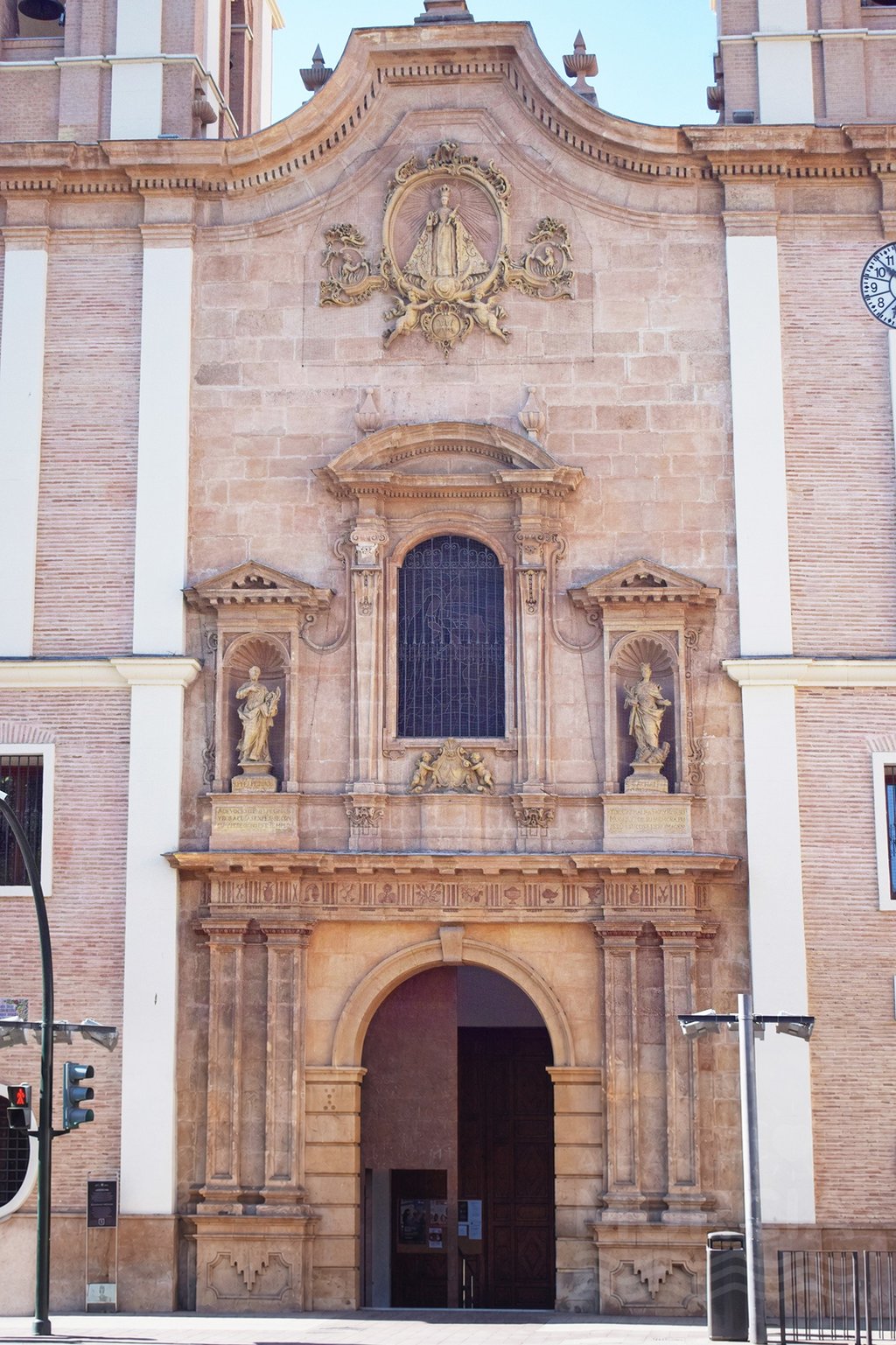
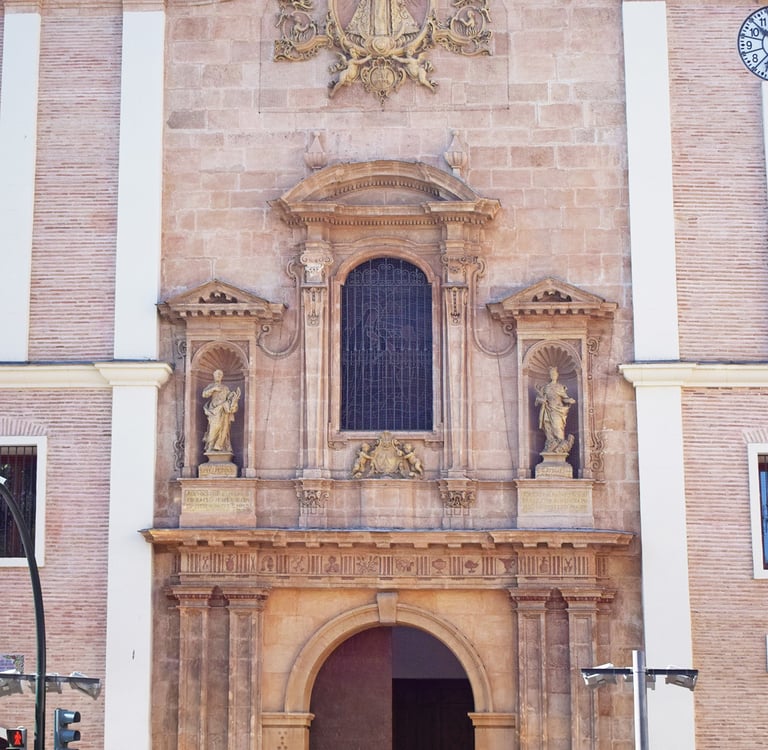
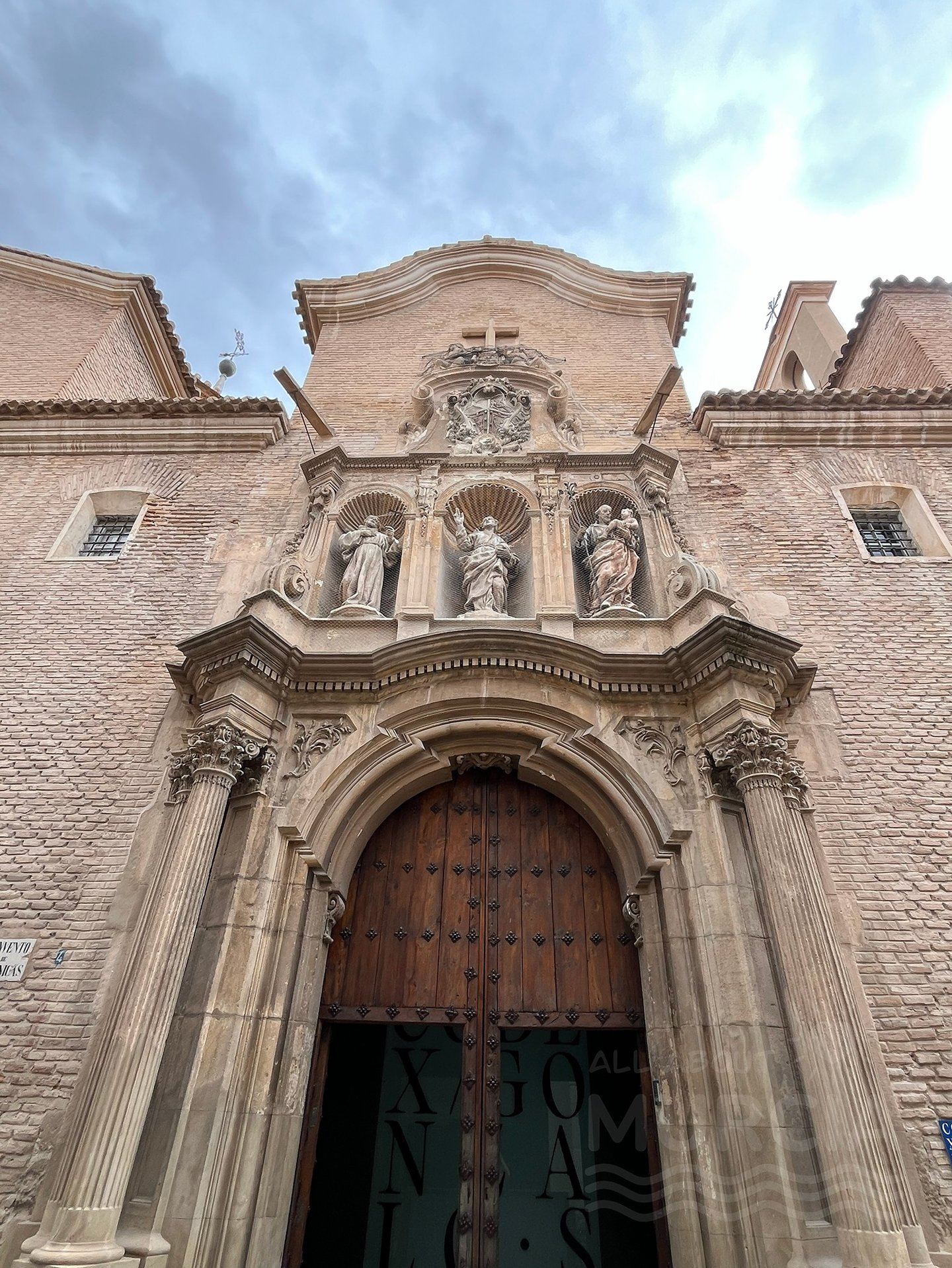
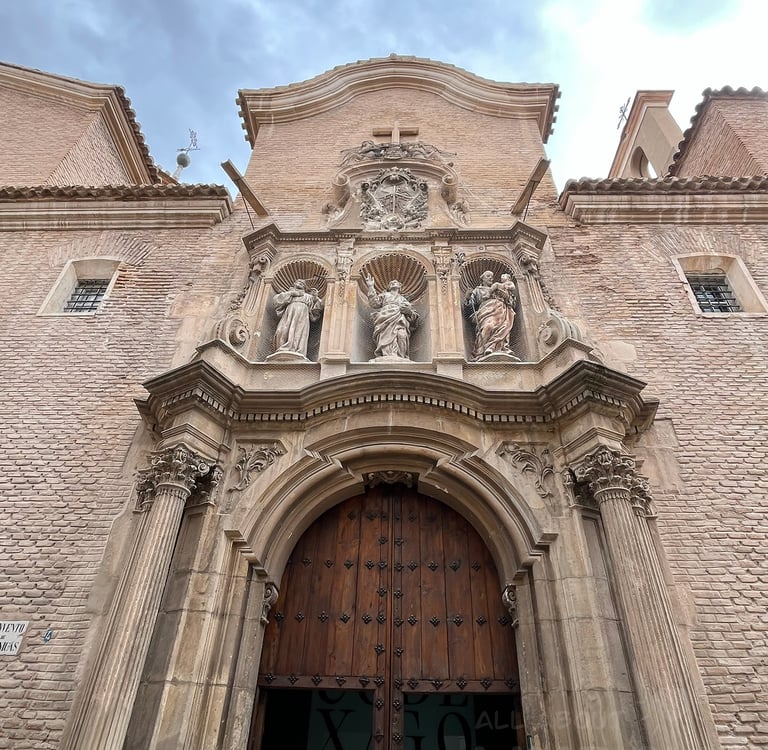
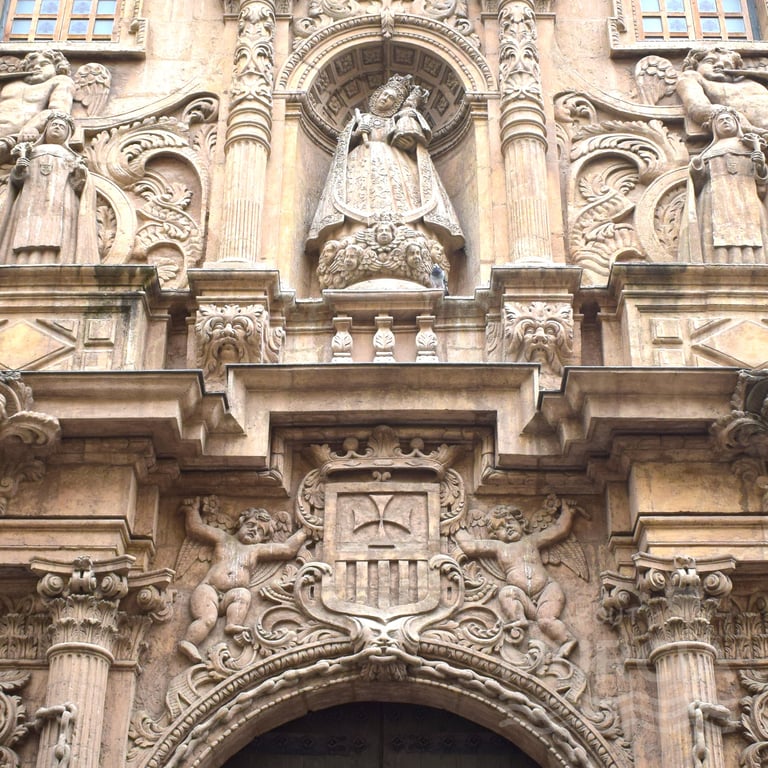
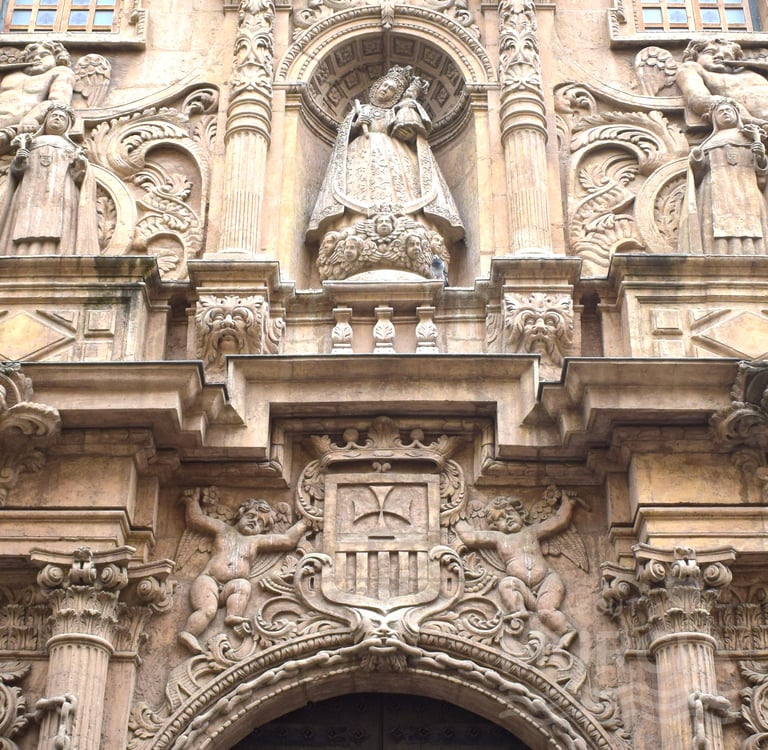
The facades usually respond to the Serlian-Vignolesque model, with a higher central body topped by a pediment and flanked by lower side bodies. Stone is generally reserved for the portals, which concentrate the greatest decorative effort of the building and serve as an authentic prelude to the sacred space.
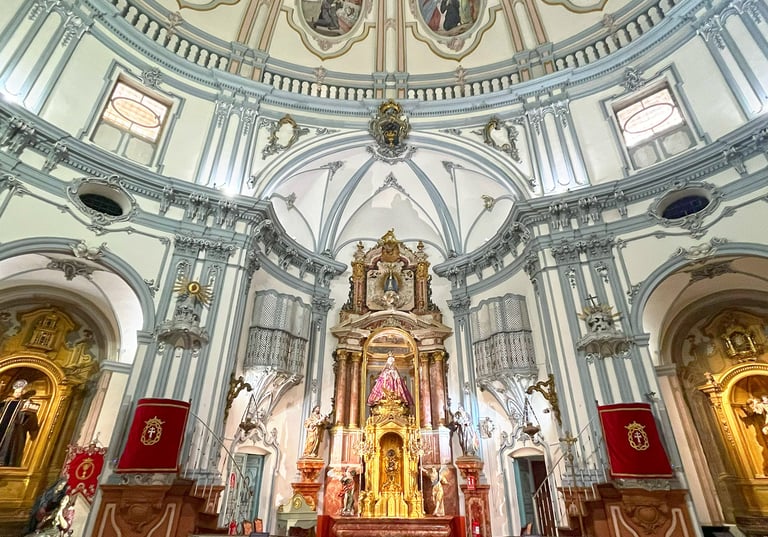
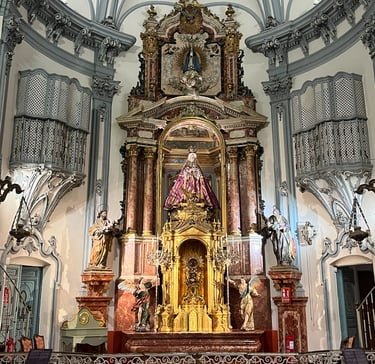
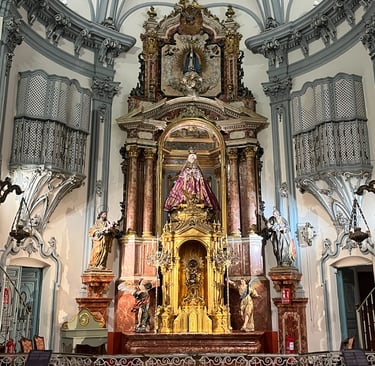
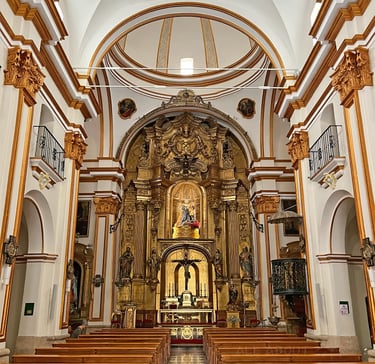
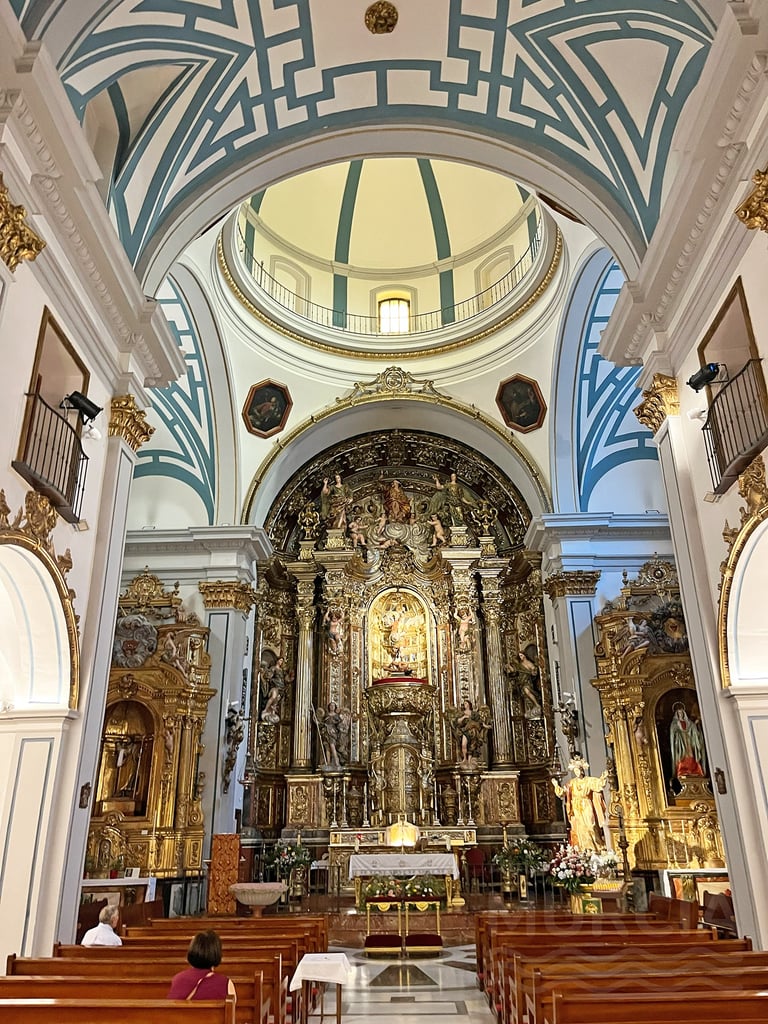
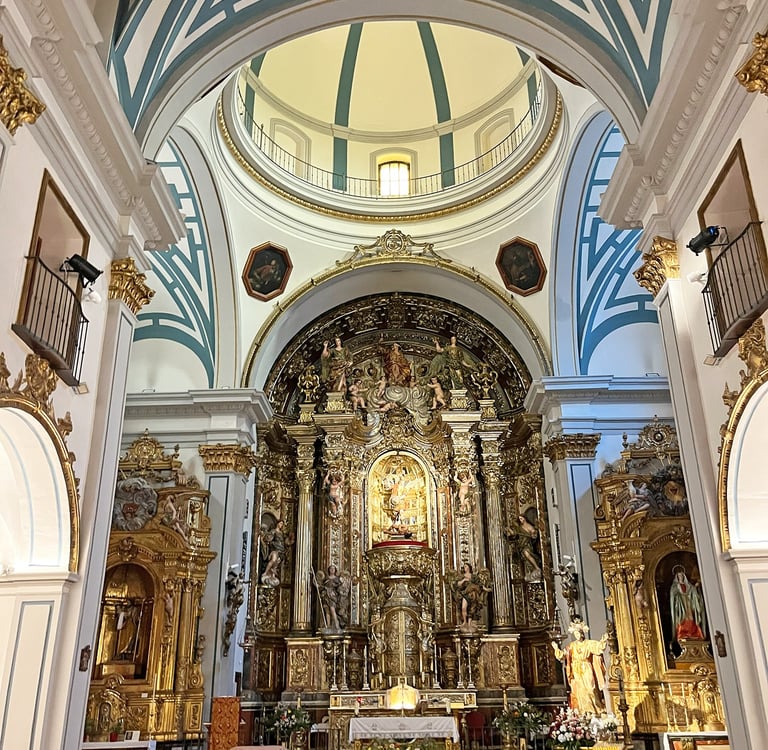
Finally, the main baroque ingredient of these temples lies in their interior decoration. Plasterwork, paintings, and especially the large gilded wooden altarpieces transformed relatively sober architectural spaces into scenes of great visual richness, designed to exalt worship and convey to the faithful the magnificence of the sacred.
Tour "The Best of Murcia"
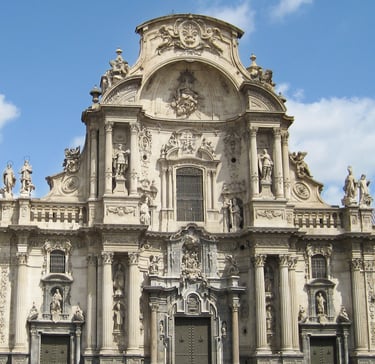
The tour with everything you can't miss in Murcia. An itinerary of two hours ideal for small groups. We will stop in front of some of the most beautiful examples of baroque architecture in the city, culminating in the imposing main facade of the Murcia Cathedral. With an official tourist guide.
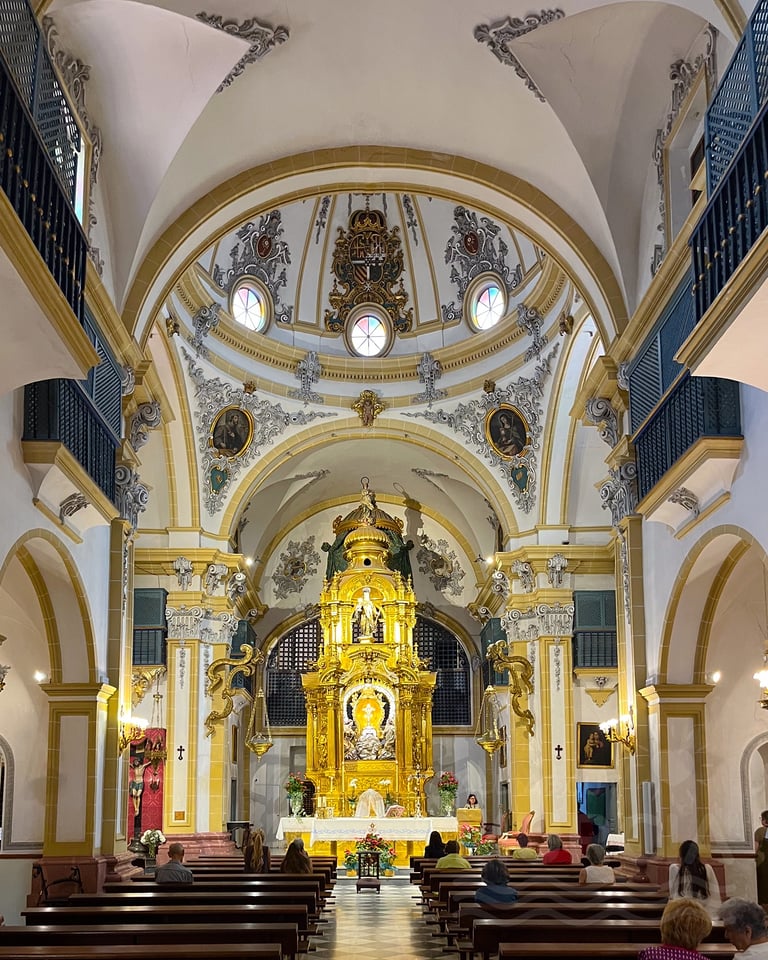
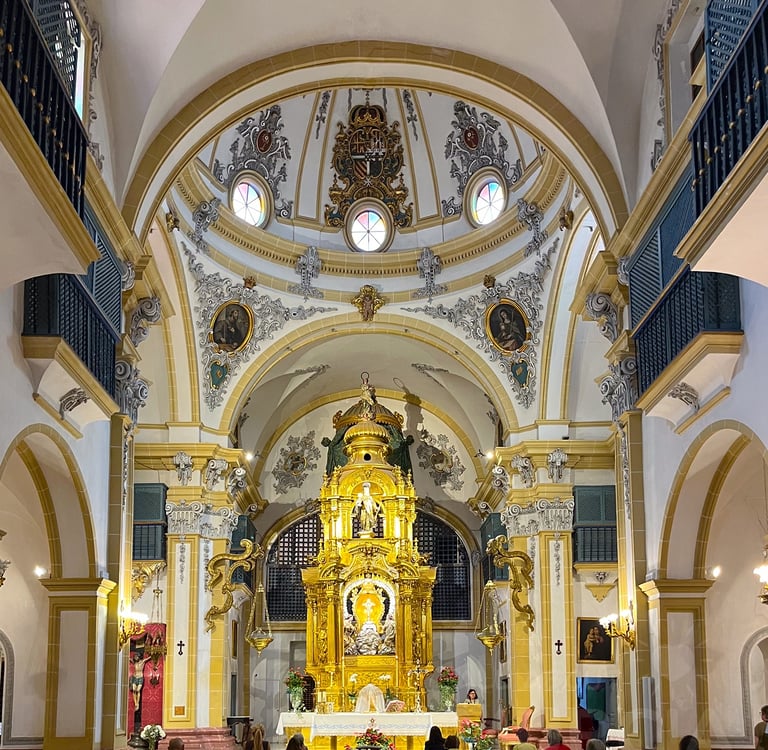
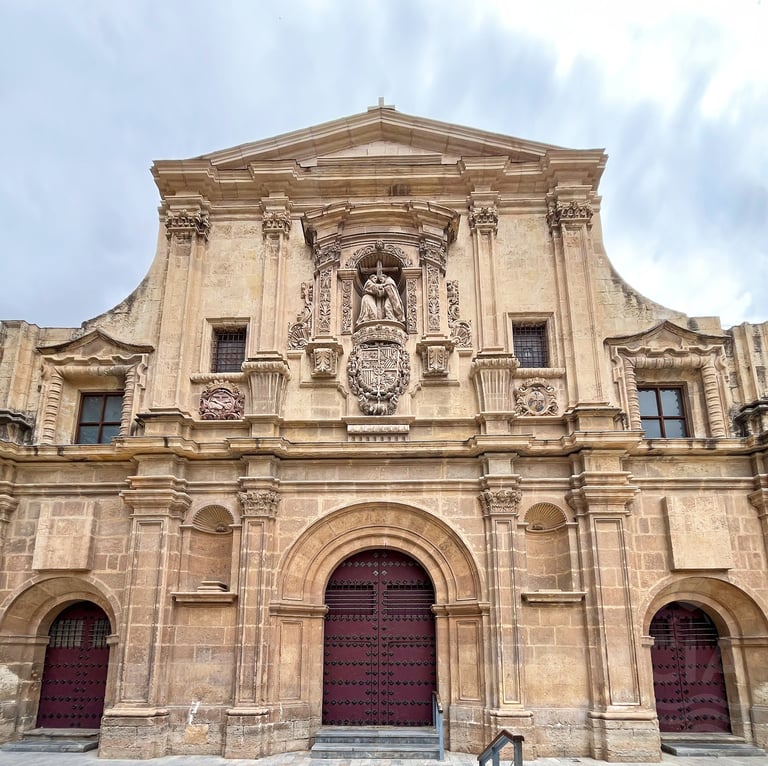
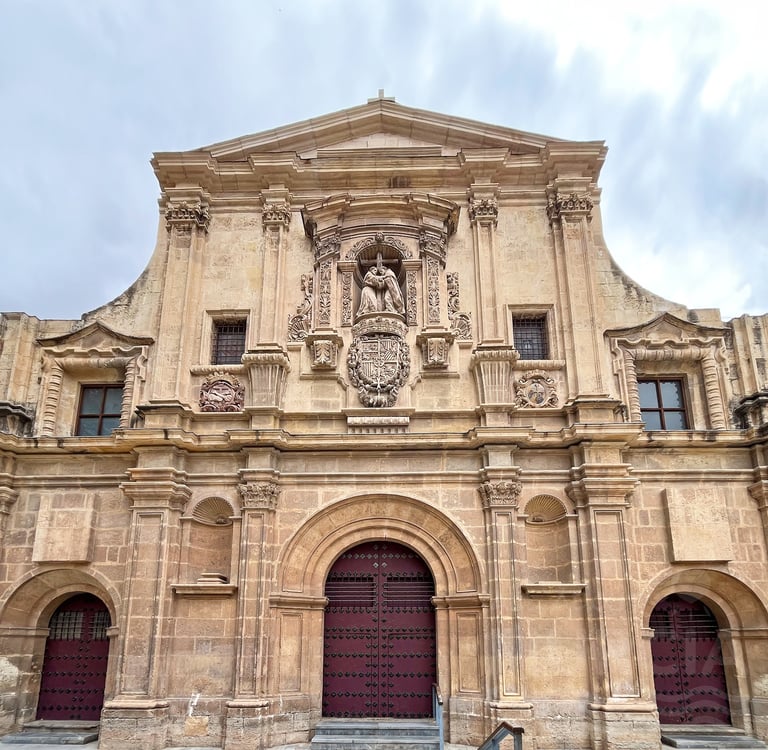
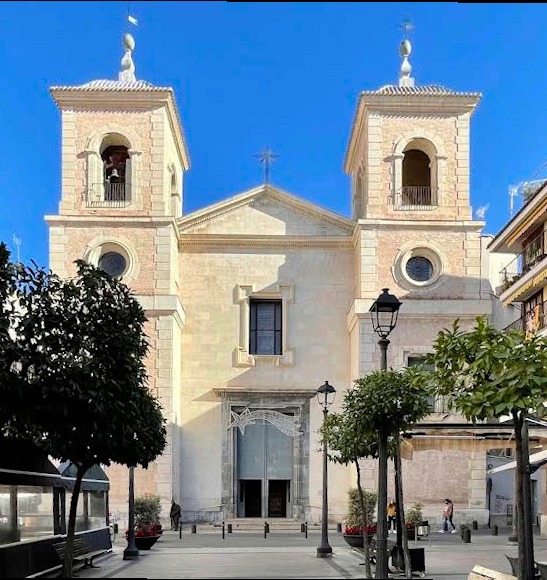
San Juan de Dios
Baroque churches of Murcia
Few Spanish cities preserve such an intense Baroque imprint as Murcia. During the 17th century and, especially, the 18th century, the city transformed into one of the main religious centers of the southern peninsula, seat of an extensive diocese and stage of an intense constructive activity driven by bishops, religious orders, brotherhoods, and pious foundations. The economic growth resulting from irrigation agriculture and the flourishing silk industry provided the necessary resources to erect new churches, convents, seminaries, and colleges, configuring an authentic ecclesiastical city that still today defines a significant part of the historical image of Murcia.
Characteristics of the Baroque churches of Murcia
The Baroque churches of Murcia mostly respond to a common architectural model that ended up defining the religious image of the city during the 18th century. They are temples conceived for the needs of the liturgy of the Counter-Reformation, in which spatial clarity, monumentality, and the capacity to accommodate a large number of faithful are prioritized.
The most common plan is that of a Latin cross, formed by a wide central nave covered with a barrel vault with lunettes, lateral chapels communicating with each other, and a crossing topped by a large dome. The arrangement of the spaces seeks to create a unitary and easily visible interior, favoring preaching and participation in religious ceremonies.
The elevations are characterized by the use of large pilasters of giant order, robust arches, and powerful vaults that give the interiors a marked sense of solidity and monumentality. Despite the simplicity of their geometric layouts, these churches possess a great harmony of proportions and a studied play of lights, especially in the crossing, where the illumination from the dome concentrates attention on the main altar.
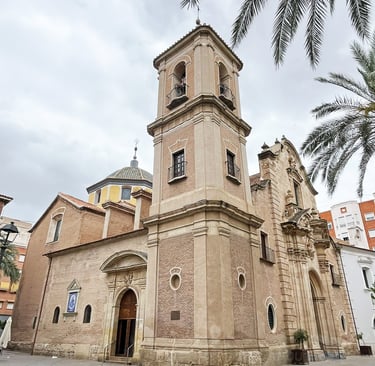
On the exterior, brick and masonry are the predominant materials, traditional in Murcian architecture. The volumes are organized with great clarity, stepping from the chapels and the nave to culminate in the dome, the authentic protagonist element of the urban profile of these churches. The majority present the characteristic reverse-curved profile of the "levantine domes," named thus due to their great frequency both in the Region of Murcia and in the neighboring Valencian Community.
The facades usually respond to the Serlian-Vignolesque model, with a central body higher than the flanking bodies of lesser height. Stone is generally reserved for the doorways, which concentrate the greatest decorative effort of the building and act as a true prelude to the sacred space.
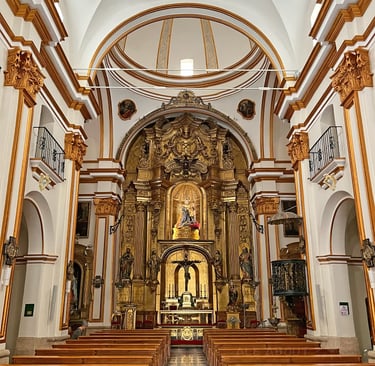
Finally, the main Baroque ingredient of these temples is found in their interior decoration. Plasterwork, paintings, and, above all, the large gilded wooden altarpieces transformed relatively sober architectural spaces into scenes of great visual richness, conceived to exalt the worship and convey to the faithful the magnificence of the sacred.
Tour "The Best of Murcia"
The tour with everything you can't miss in Murcia. An ideal two-hour itinerary for small groups. We will stop in front of some of the most beautiful examples of Baroque architecture in the city, culminating in the imposing main facade of the cathedral of Murcia. With an official tour guide.


