Murcia, baroque city
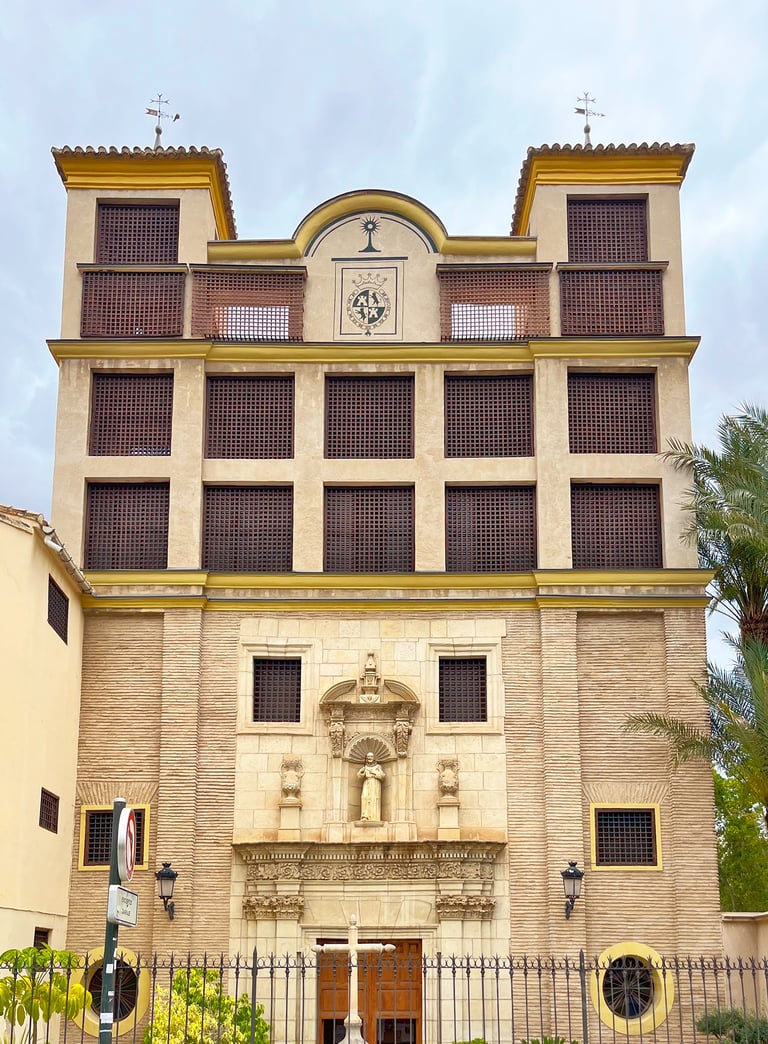
The city of Murcia preserves one of the most important collections of baroque architecture in Spain. During the 17th and especially the 18th centuries, the former capital of the Kingdom of Murcia underwent a profound transformation that left a trace still visible in its streets, squares, churches, and palaces.
That period coincided with a stage of economic growth driven largely by irrigation agriculture and silk industry. The production and marketing of silk turned Murcia into one of the main silk-producing centers in Spain, generating a prosperity that allowed financing numerous architectural works, religious foundations, and urban projects. After the economic difficulties of the 17th century, the peak period of production and creativity concentrates in the 18th century, known as the murcian golden century. From that time, a splendid display of churches, convents, and palaces is preserved, which still today remain the heart of its historical and artistic heritage. This period of splendor approximately coincides with the life of Francisco Salzillo (1707-1783), the most famous murcian artist in history, whose work marks one of the peaks of baroque sculpture in Spain.
The influence of the Church, the local nobility, and civil institutions favored the construction of buildings intended to express power, prestige, and devotion. The result was the creation of an authentic baroque city. Contrary to the sobriety of previous times, architecture now sought movement, theatricality, and emotion. Facades were transformed into large stone stages, interiors were enriched with plasterwork, altarpieces, and plays of light, and urban spaces acquired a new monumentality intended to impress visitors.
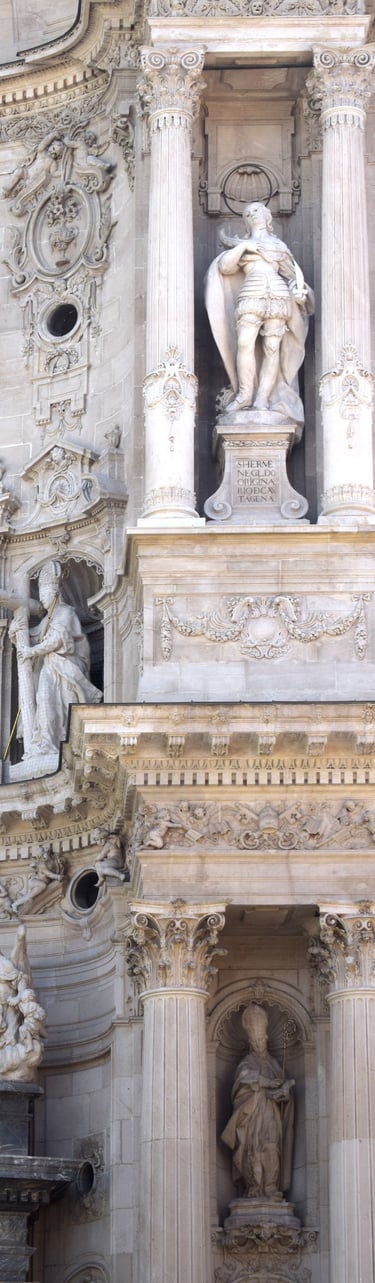
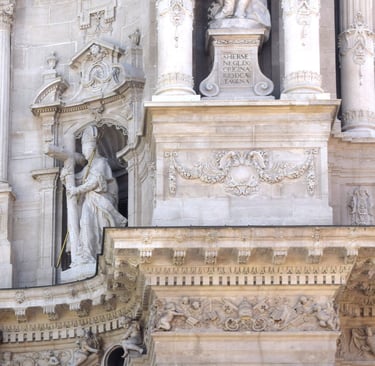
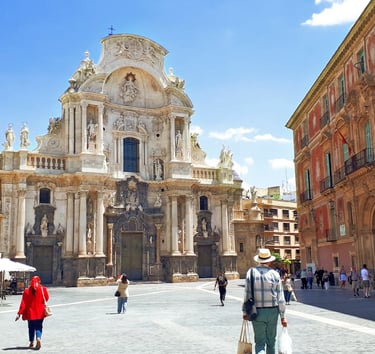
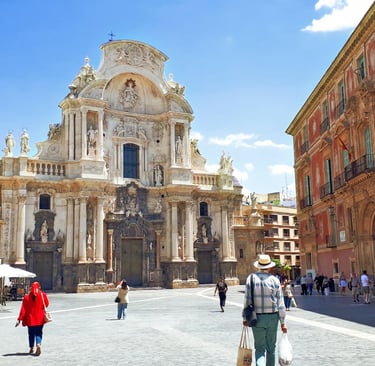
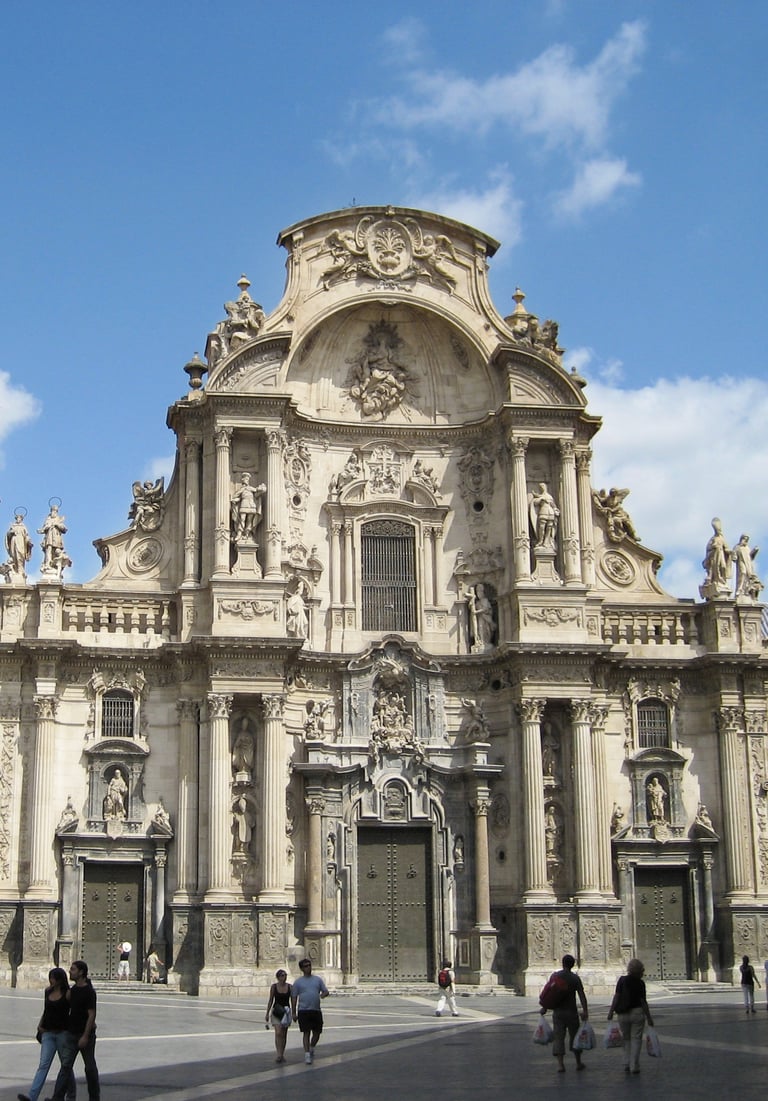
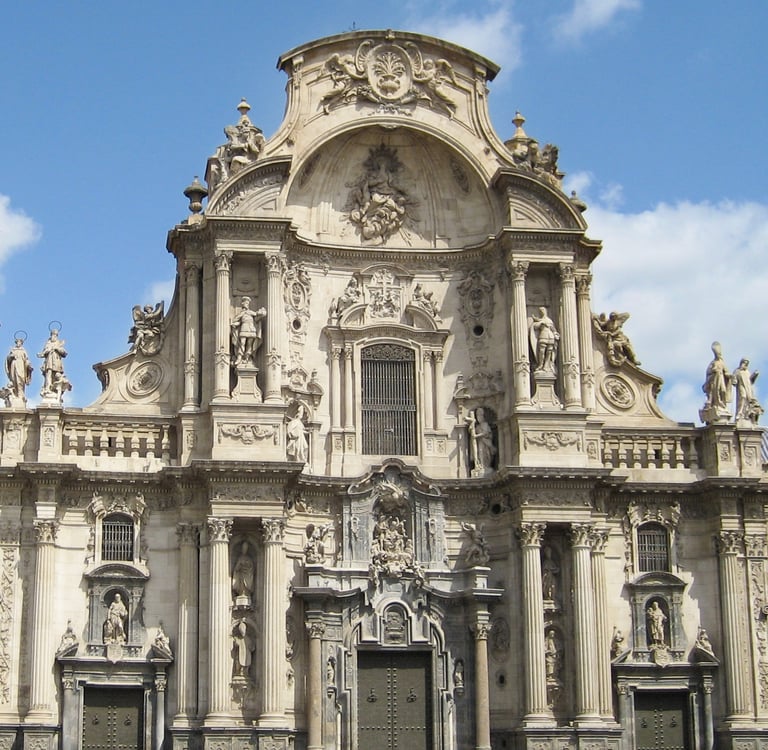
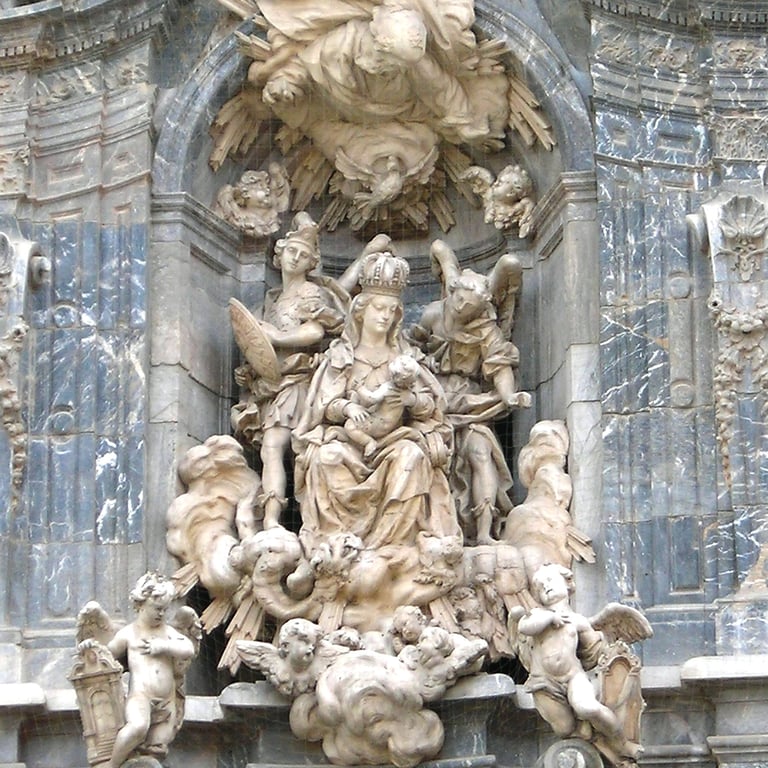
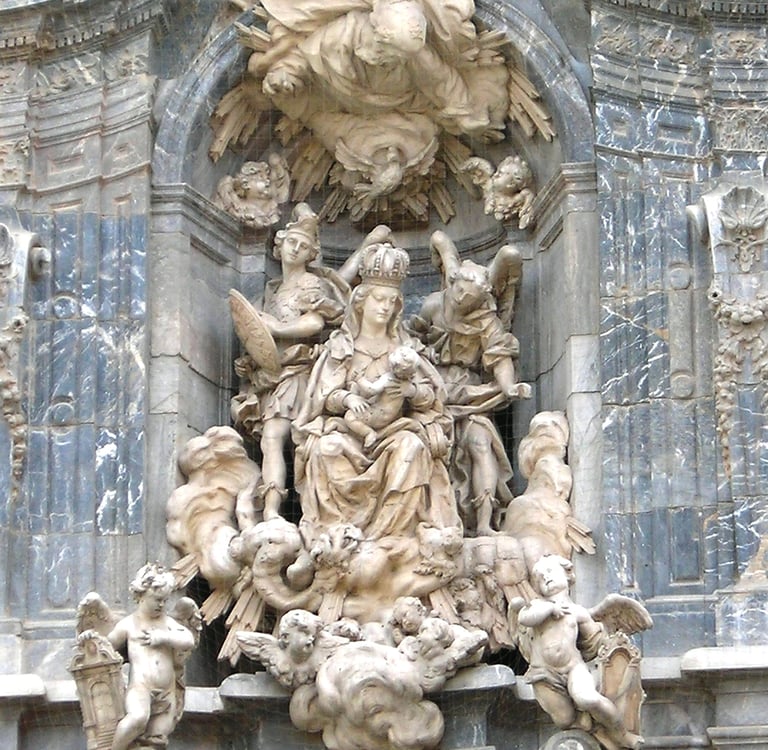
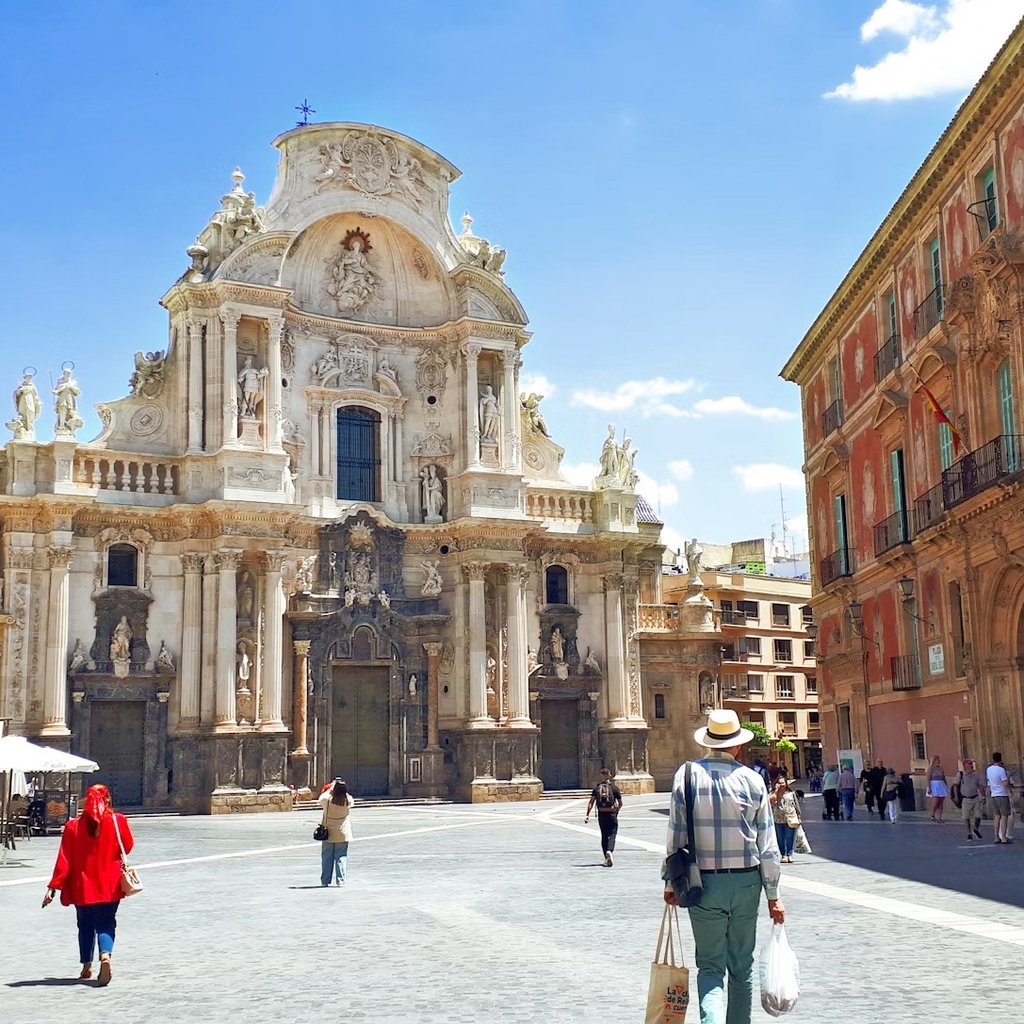
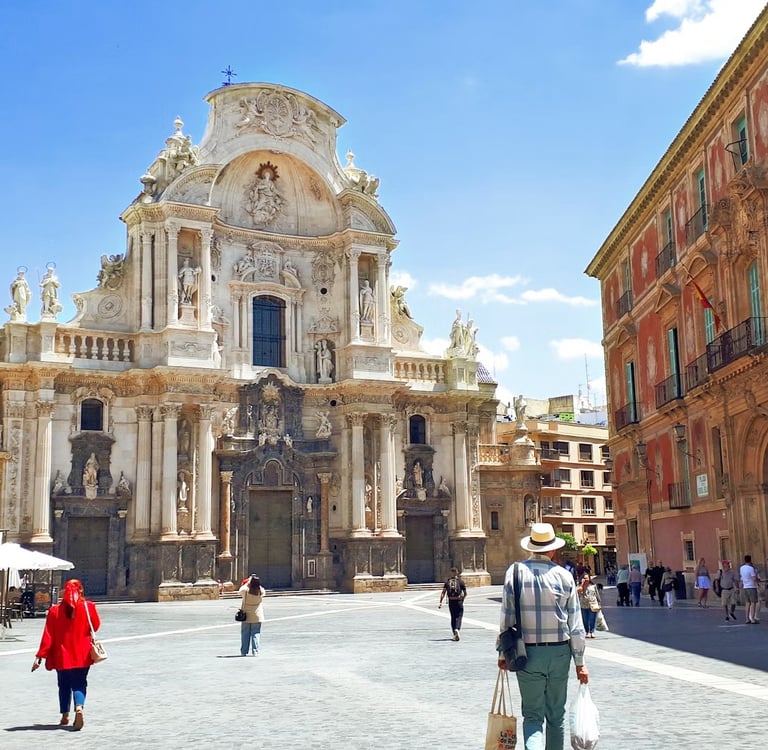
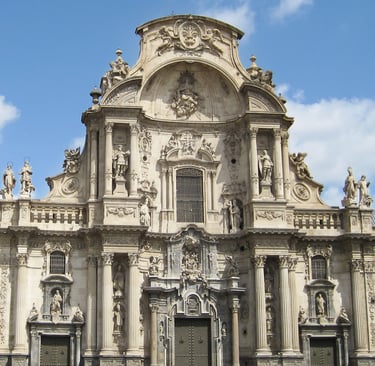
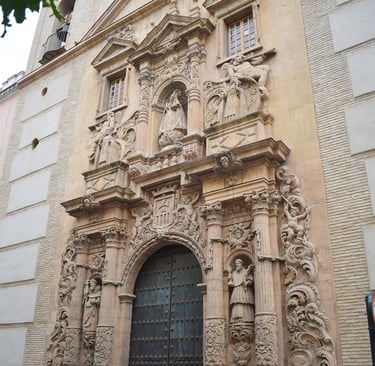
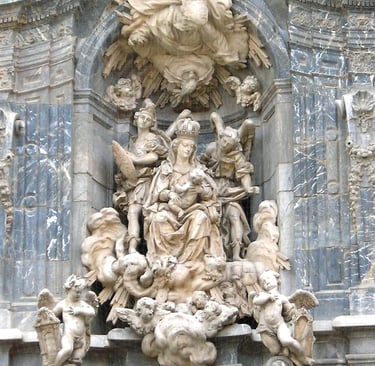
Although it received influences from Andalusia, Valencia, Madrid, and Italy, the murcian Baroque developed a distinct personality, visible in the use of local materials, the exuberance of many of its porticoes, and in the close relationship between architecture, sculpture, and urban planning. The main facade of the Cathedral constitutes its most famous work, but it is only a piece of a much larger ensemble that makes Murcia one of the great baroque cities of Spain.
Tour "The Best of Murcia"
The best way to discover some of the buildings and spaces that shaped Baroque Murcia is to walk through the city. In our tour The Best of Murcia, you will get to know some of its main monuments and historical corners with the help of an official guide, while discovering the stories and events that have marked the city’s evolution.
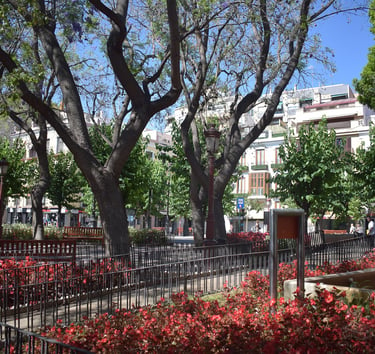
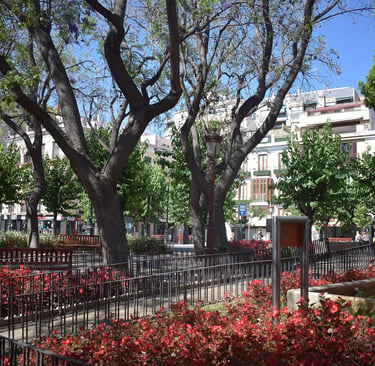
Colegios y centros de enseñanza
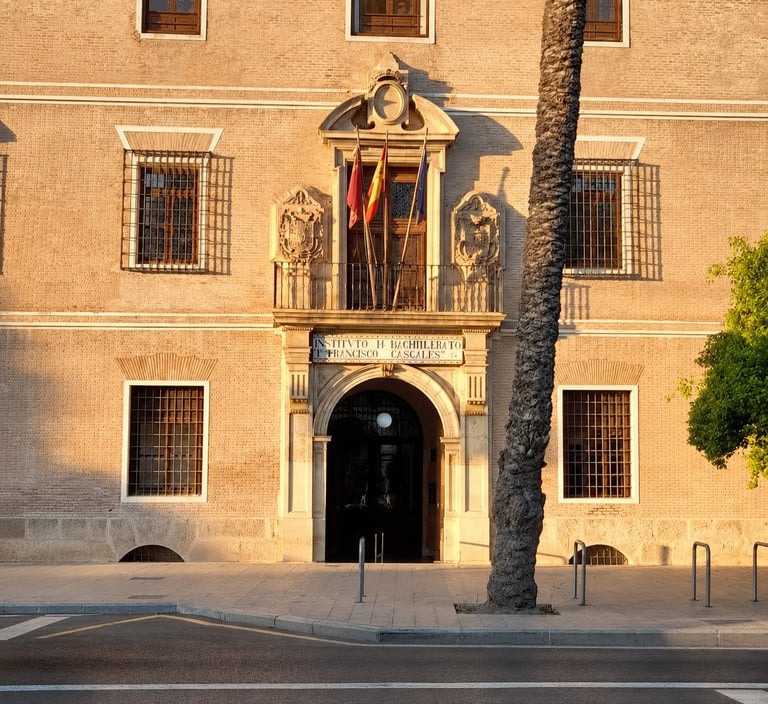
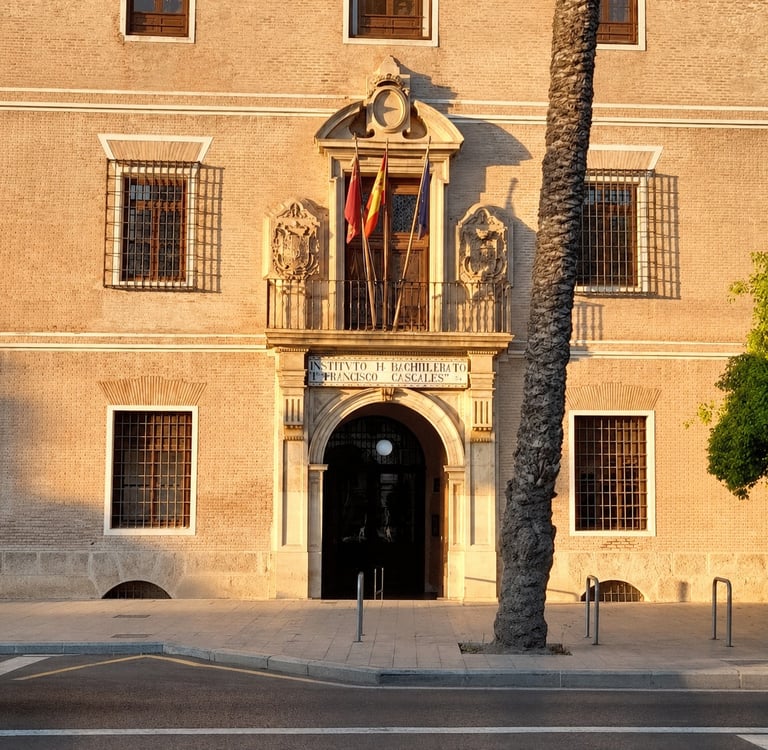
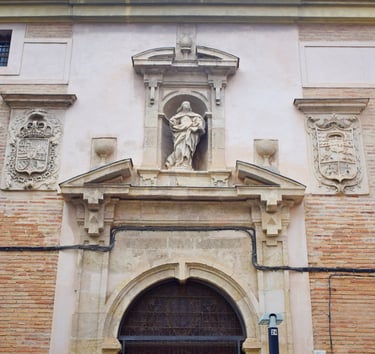
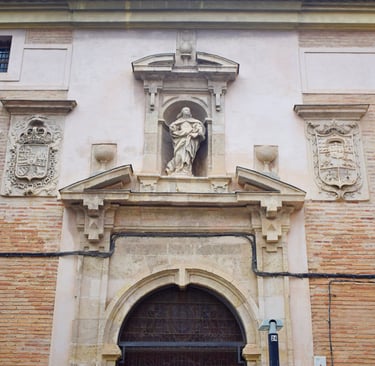
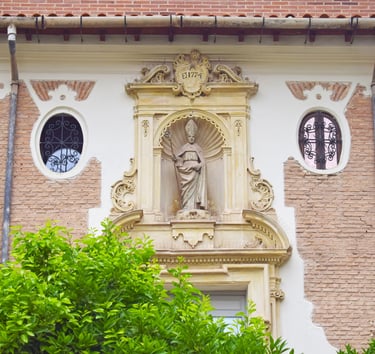
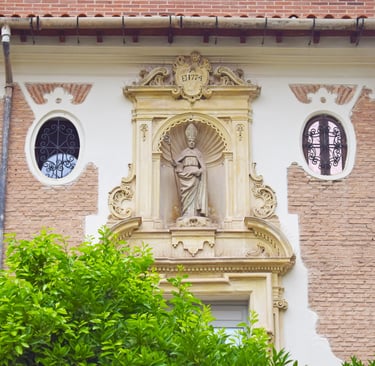
Urbanism and the Idea of the City during the Baroque
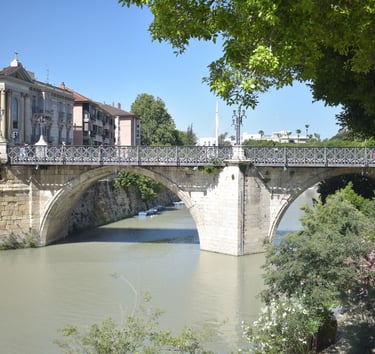
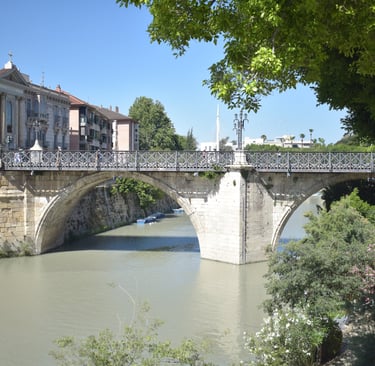
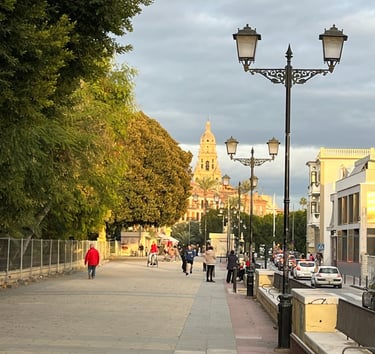
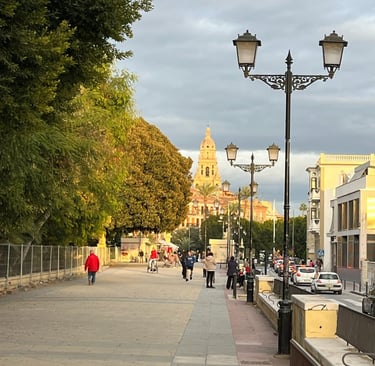
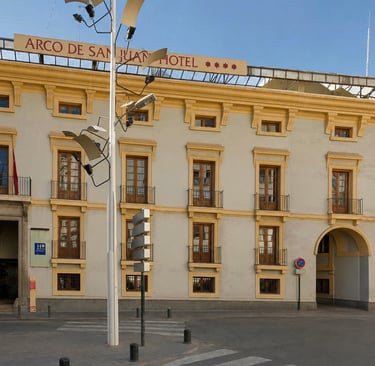
Baroque Murcia was a city in expansion. The economic growth of the 18th century allowed for the opening of new public spaces, improving communications, and constructing buildings intended for education, charity, or administration. At the same time, architecture became a tool of representation, creating monumental urban scenes intended to express the city’s prosperity and the power of its institutions.
Infrastructures and Public Spaces
Francisco Salzillo y la escultura barroca en Murcia
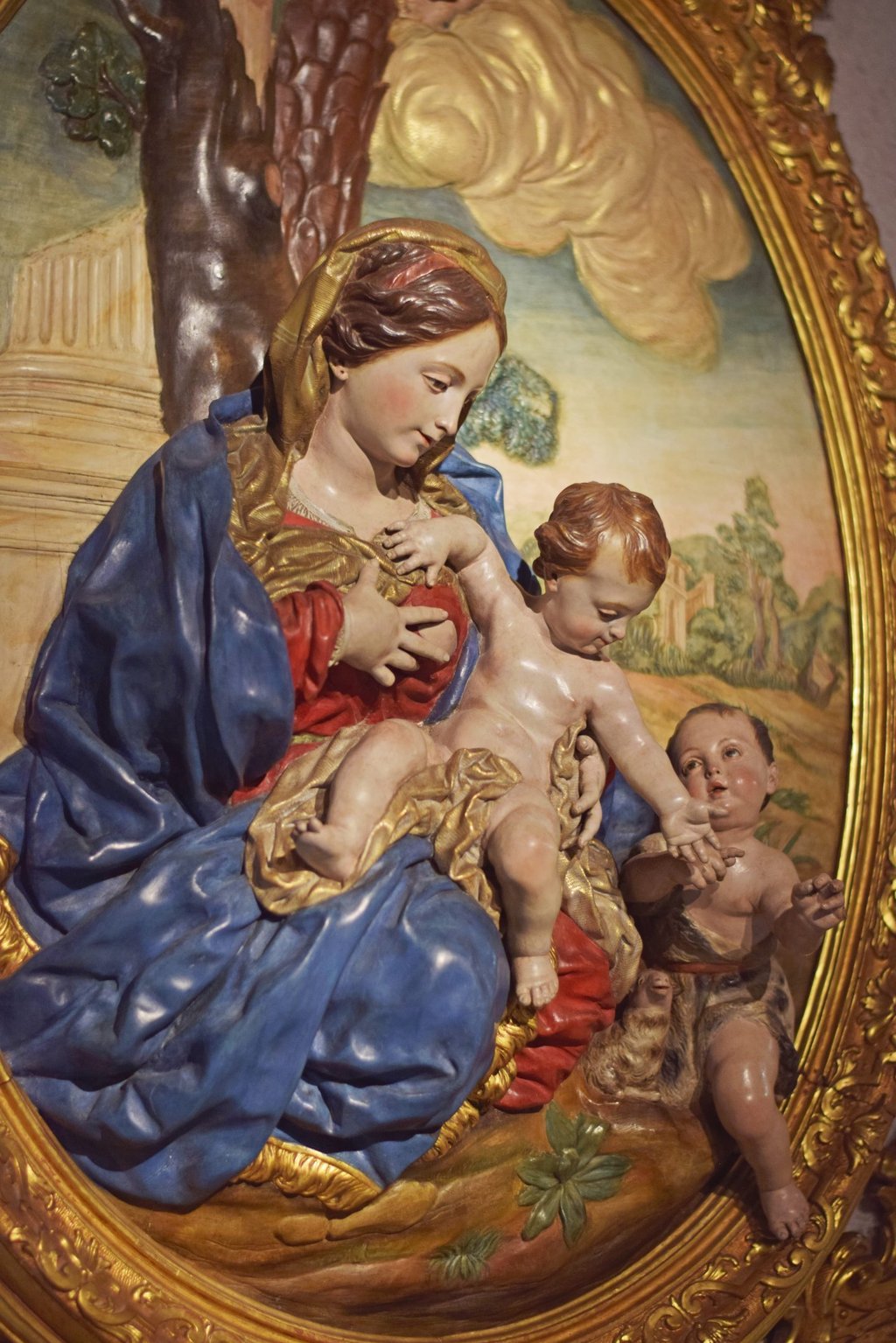
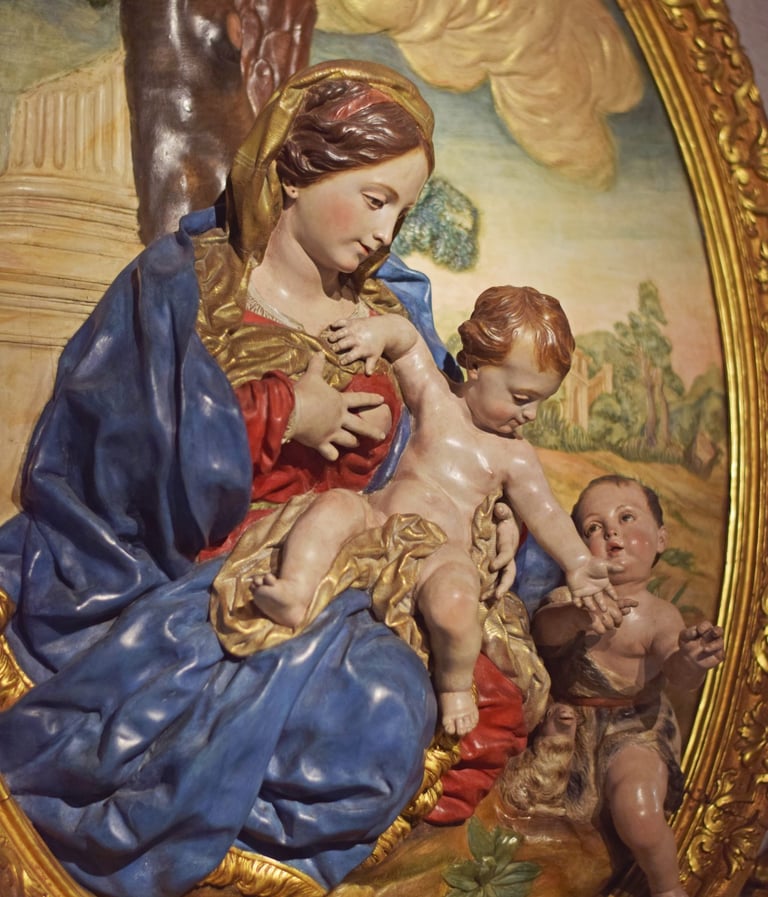
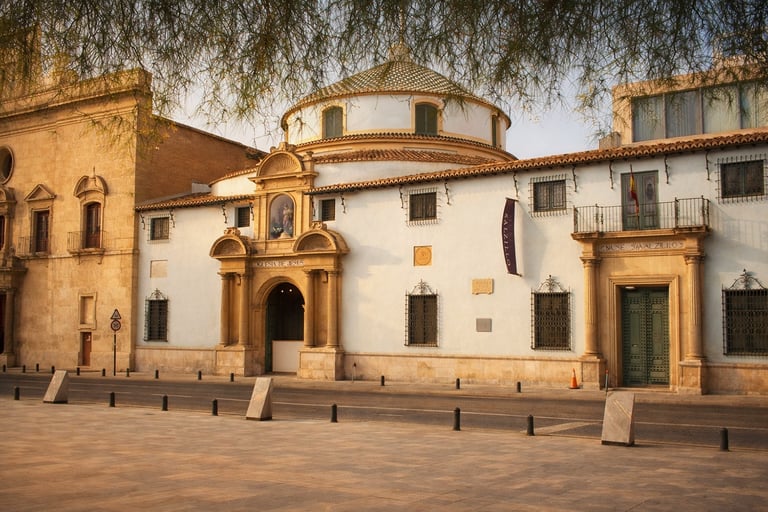
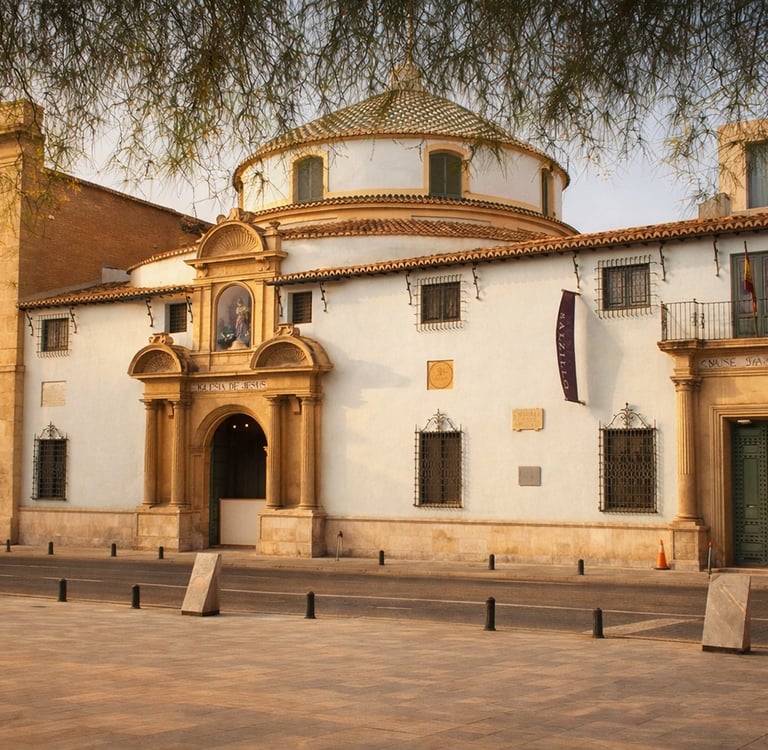
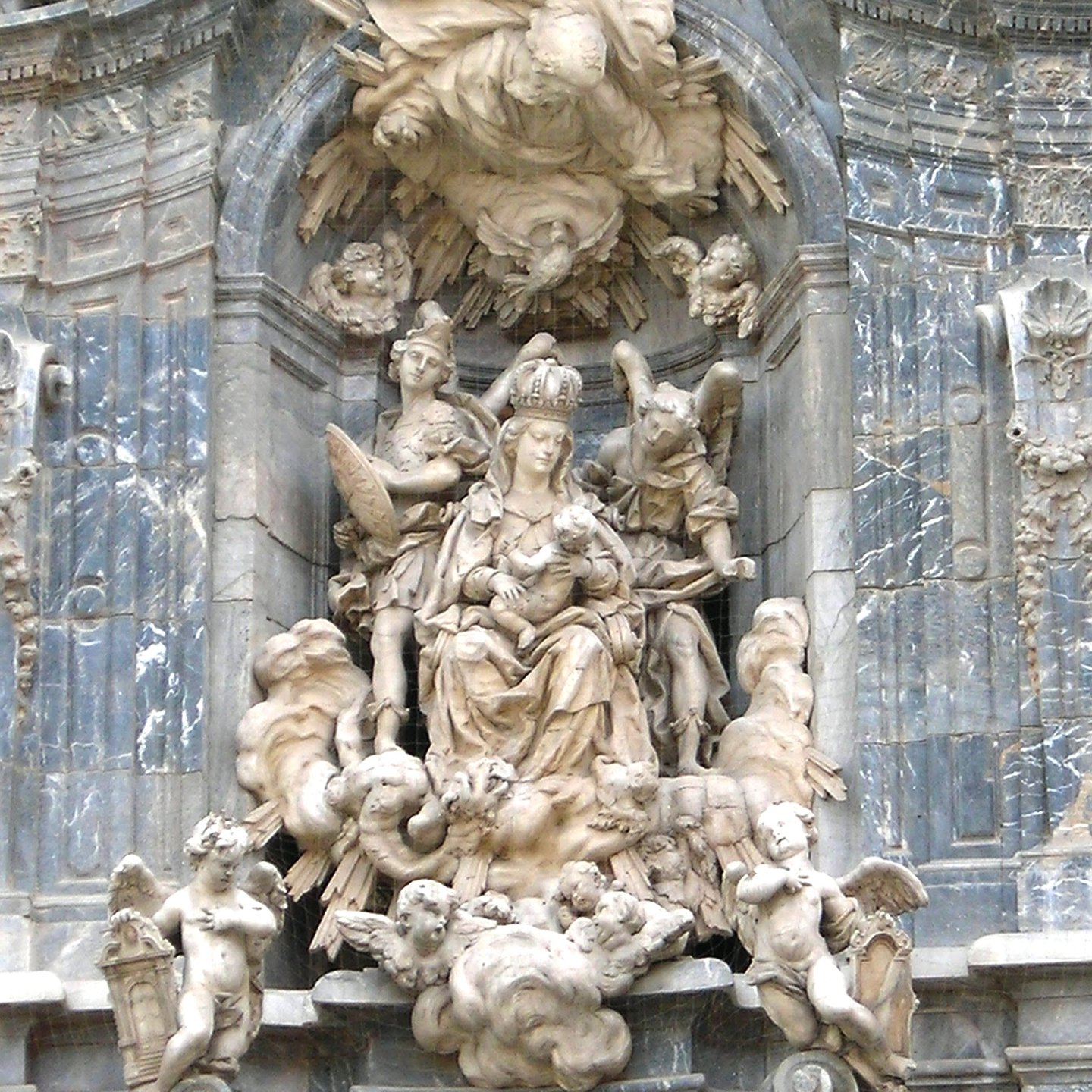
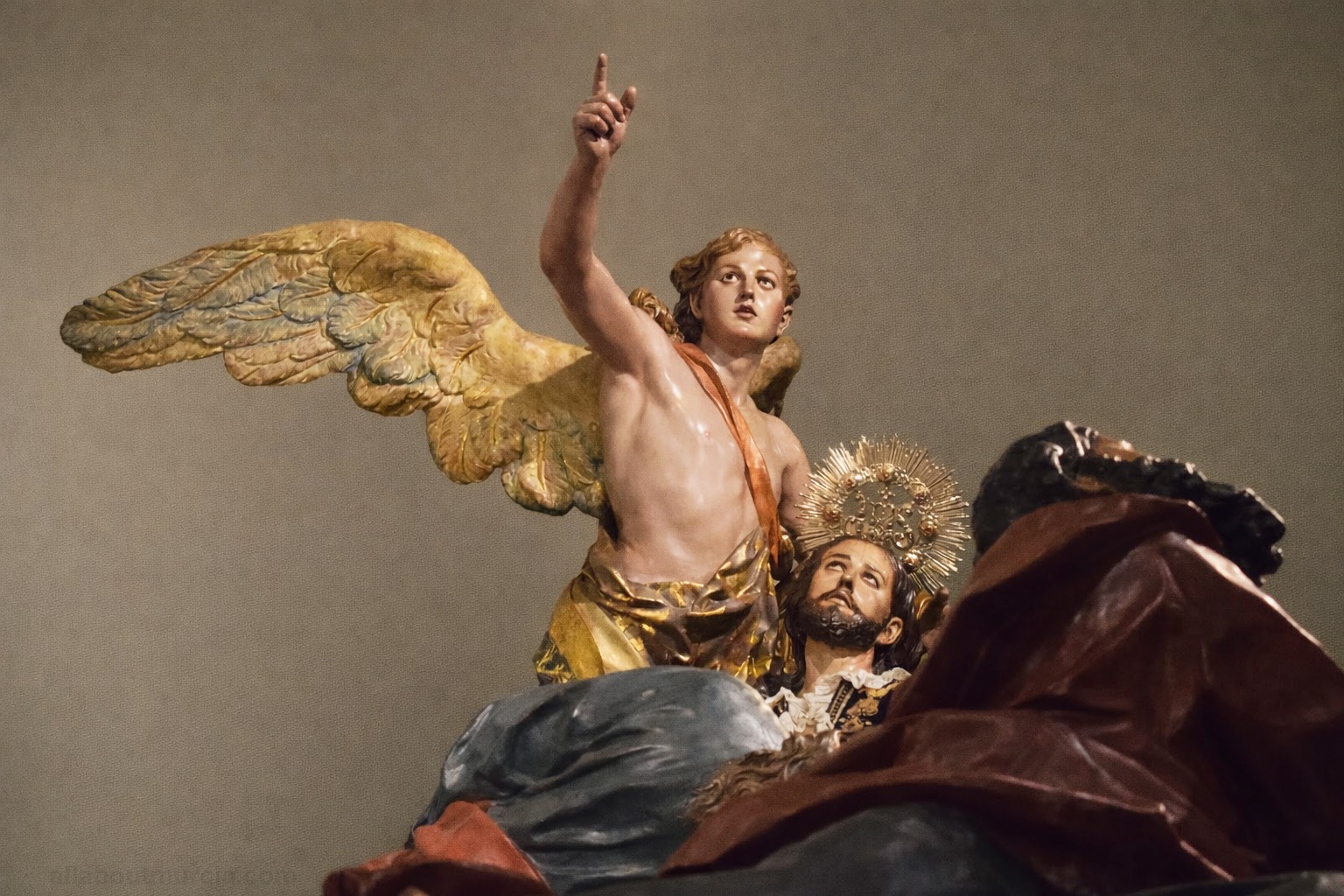
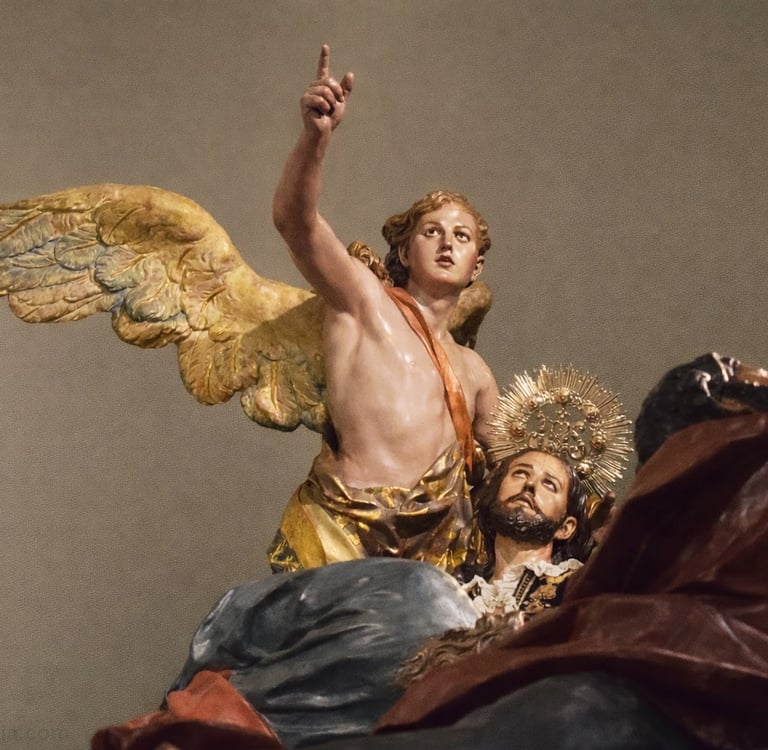
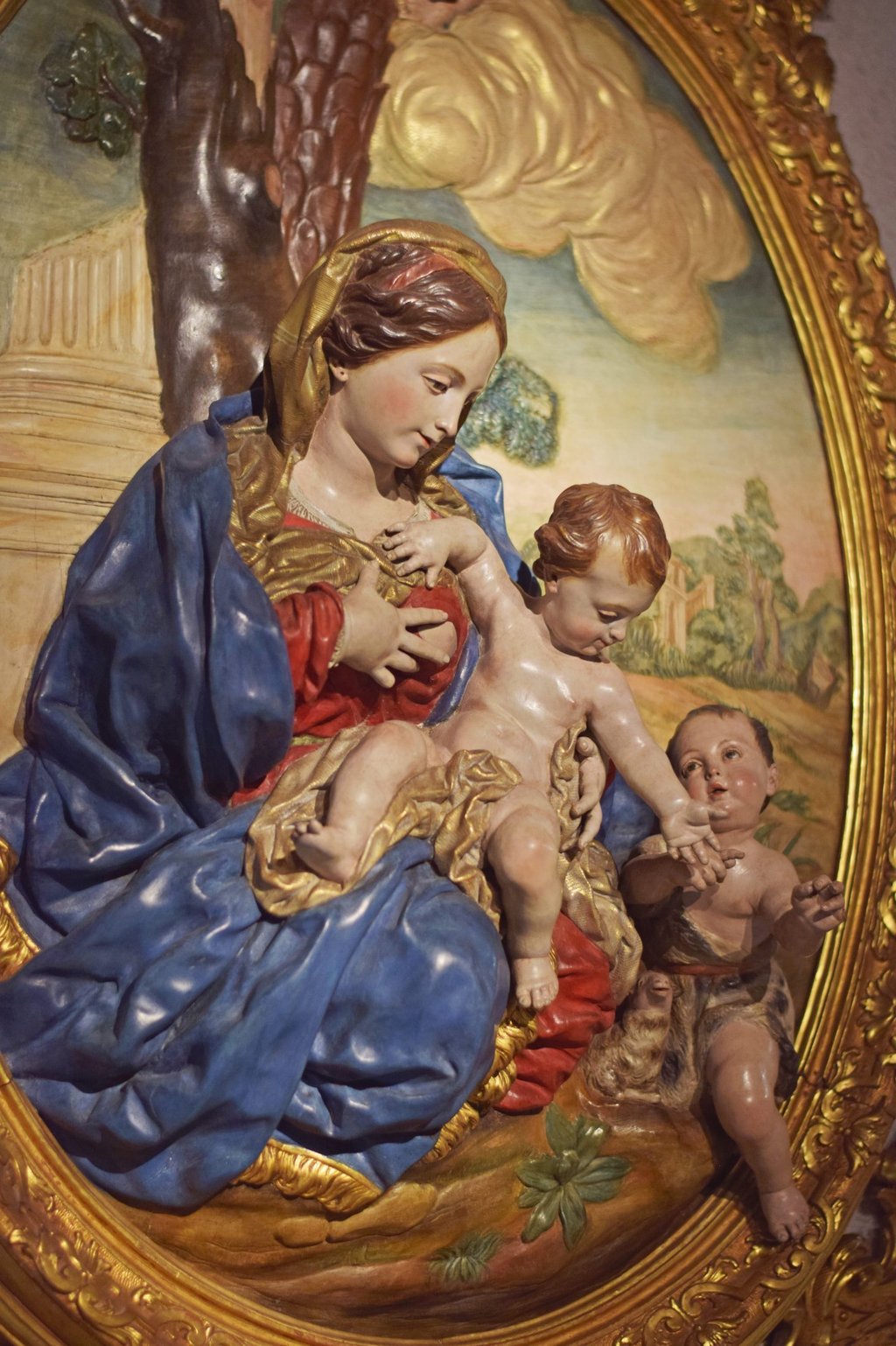
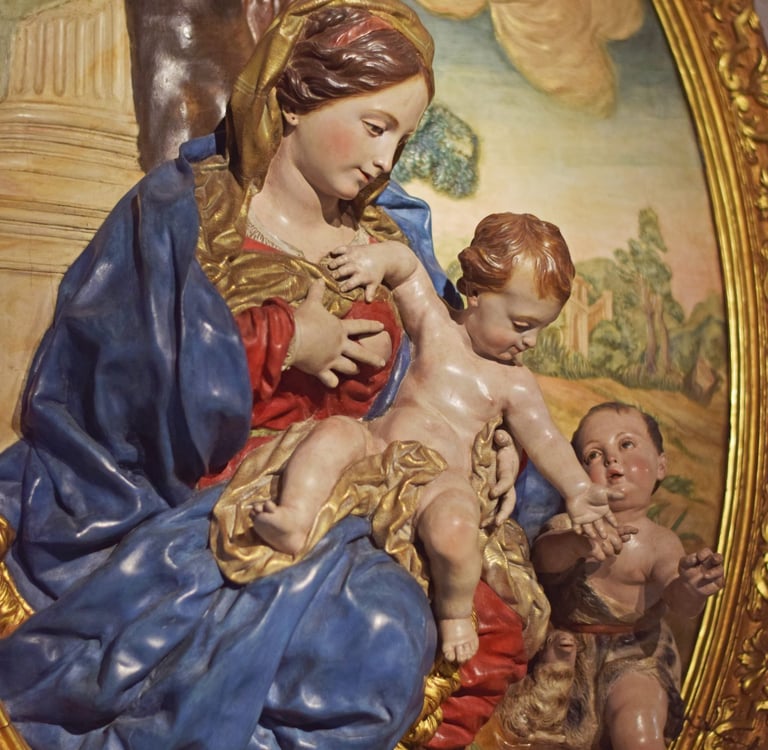
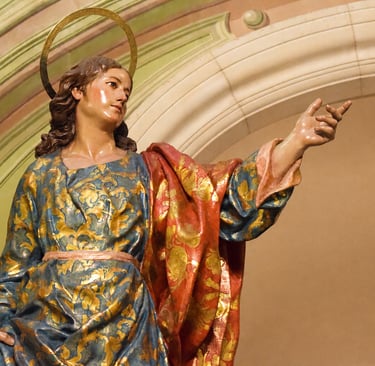
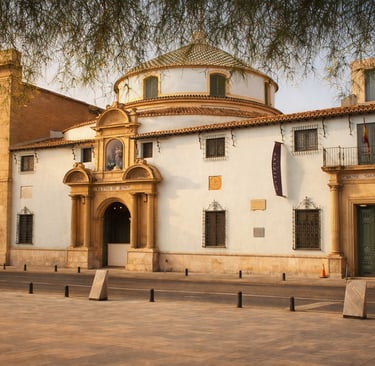
La escultura barroca constituye uno de los patrimonios artísticos más valiosos de la ciudad de Murcia. Durante los siglos XVII y XVIII, iglesias, conventos y cofradías se enriquecieron con un extraordinario conjunto de imágenes devocionales, retablos y grupos procesionales que reflejan el esplendor artístico alcanzado por la ciudad en aquella época. Entre todos los escultores que trabajaron en Murcia, la figura de Francisco Salzillo sobresale de manera excepcional, hasta el punto de convertirse en uno de los grandes maestros de la imaginería española y en el principal referente en la historia del arte en la Región. El Museo Salzillo, que reúne algunas de sus obras más célebres, como son los pasos de la Cofradía de Jesús y el famoso Belén del escultor. Es el mejor lugar para descubrir en un solo espacio la riqueza, la sensibilidad y la singularidad de la escultura barroca de Murcia.
Palaces
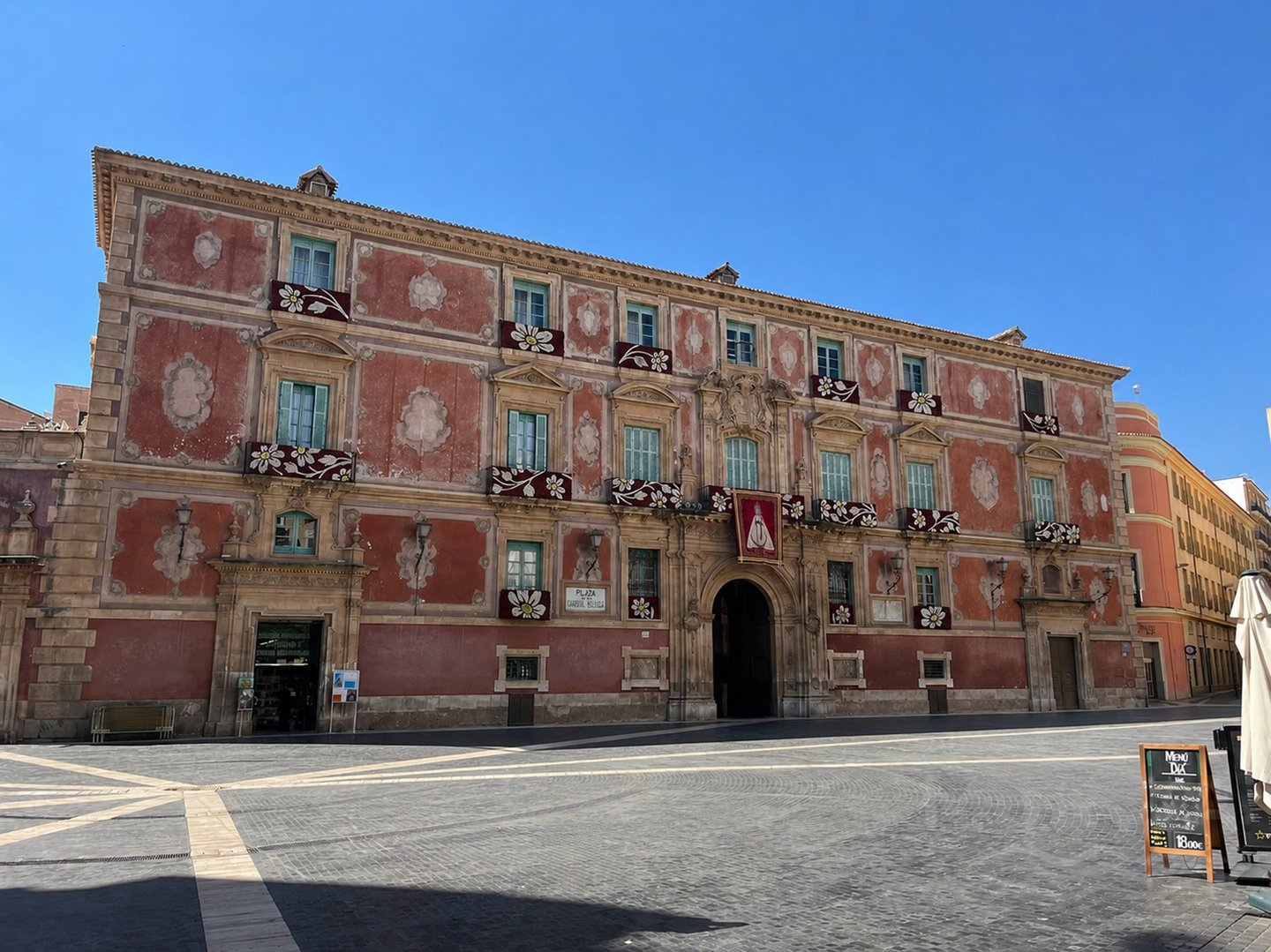
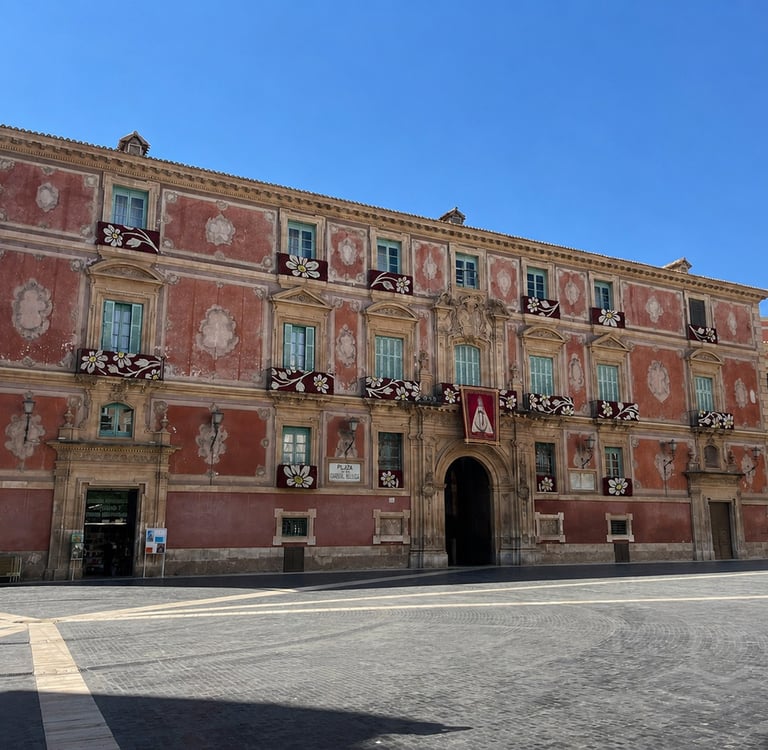
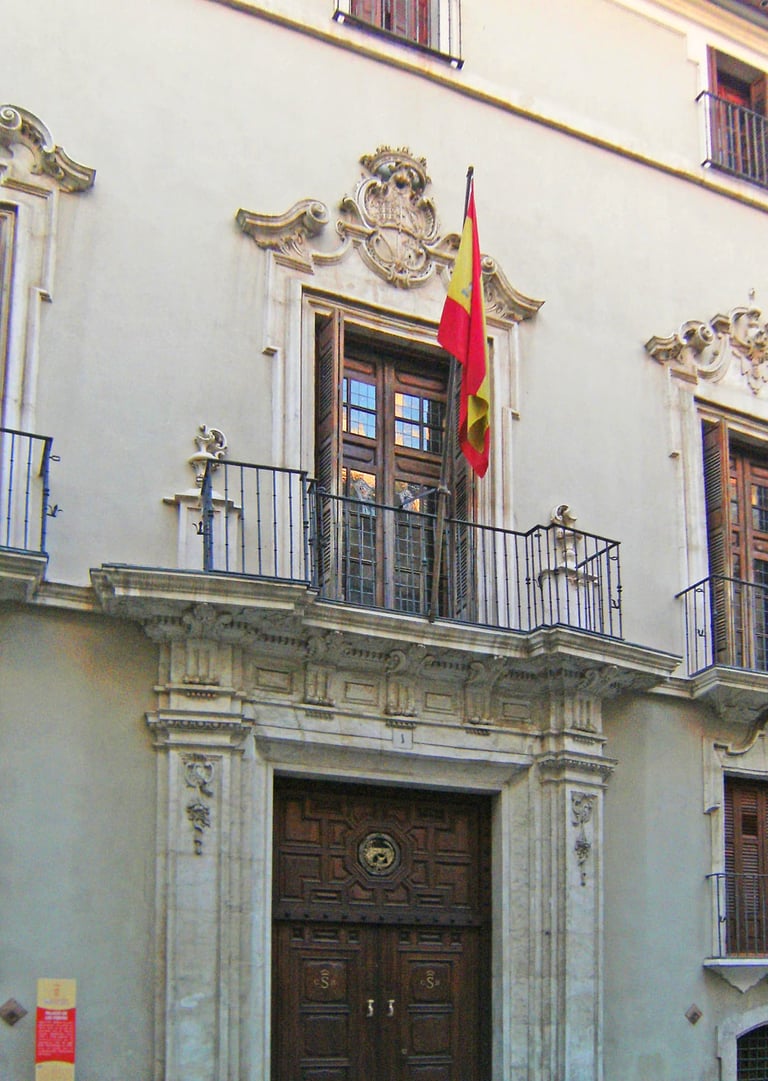
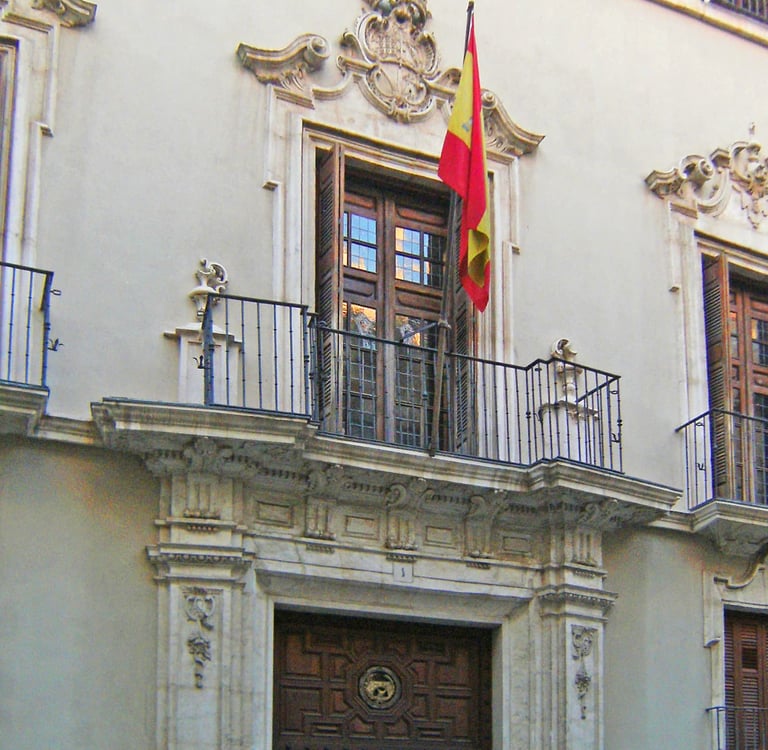
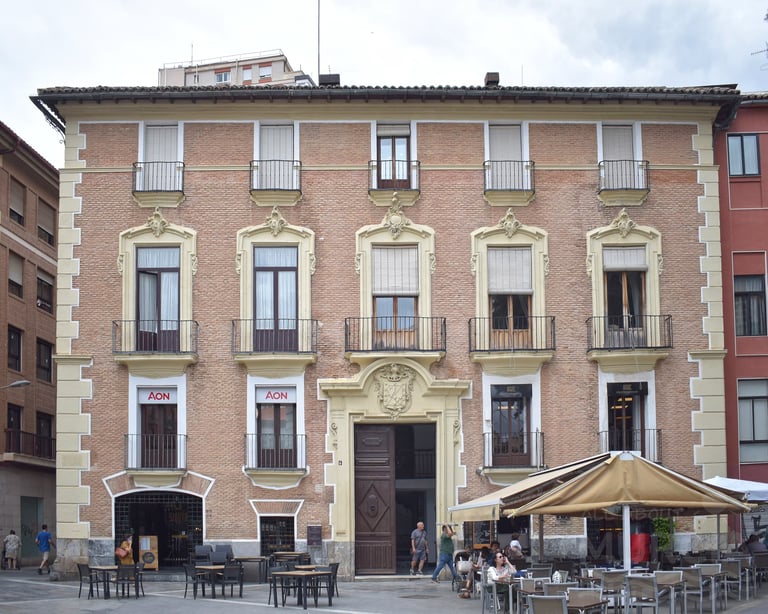
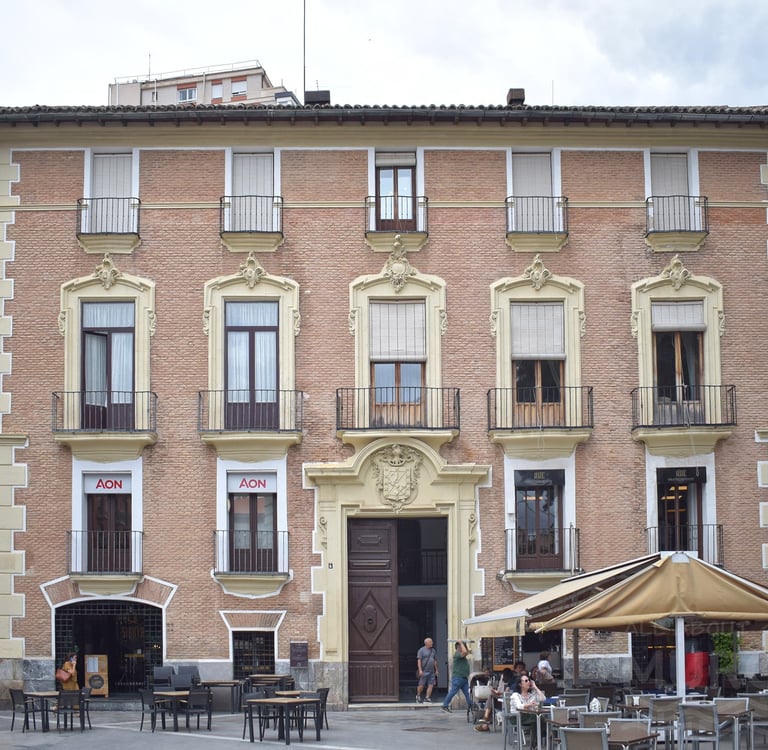
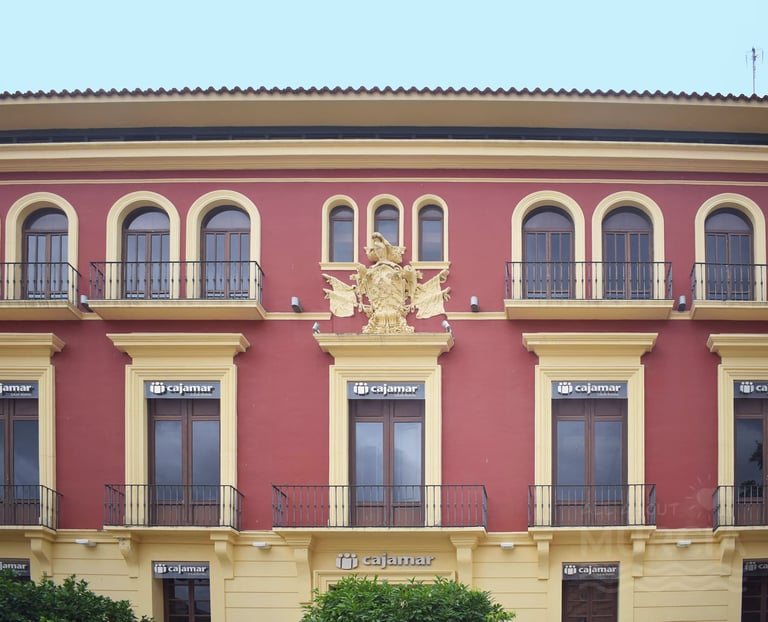
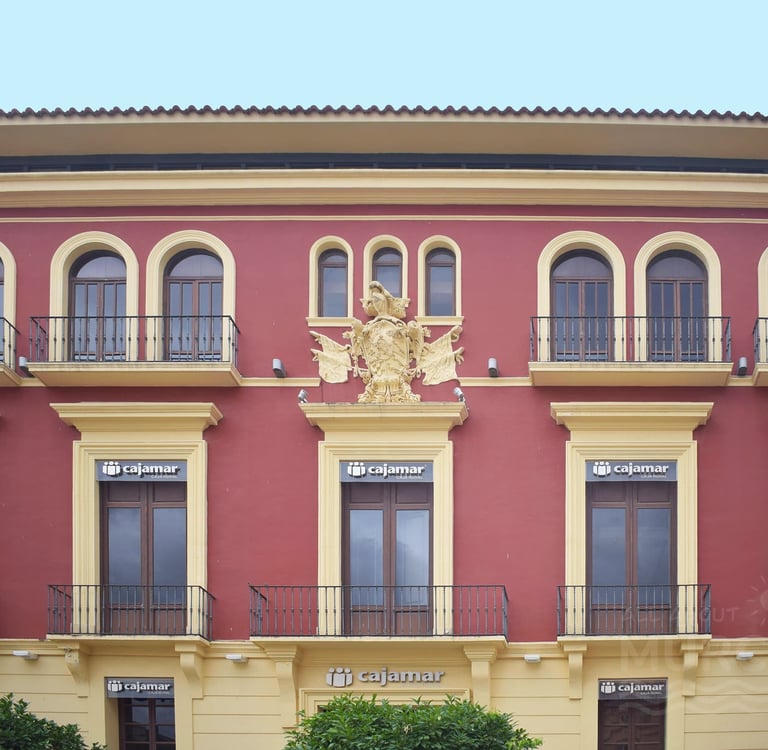
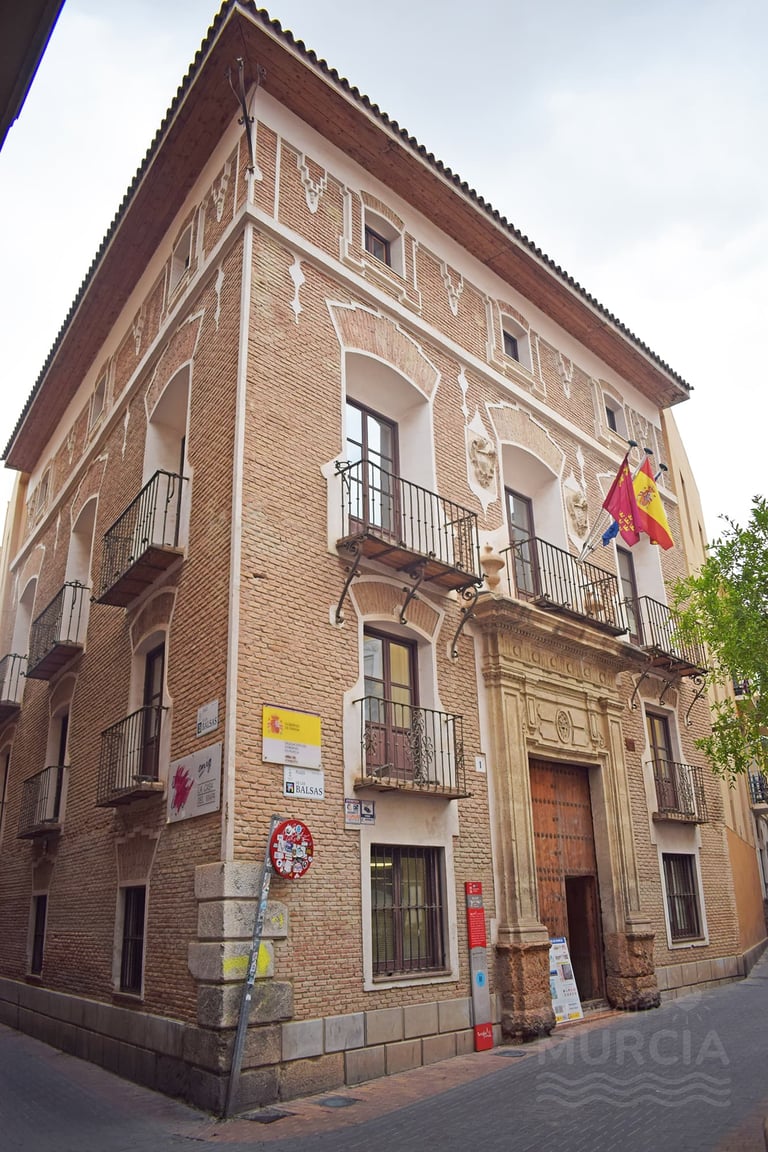
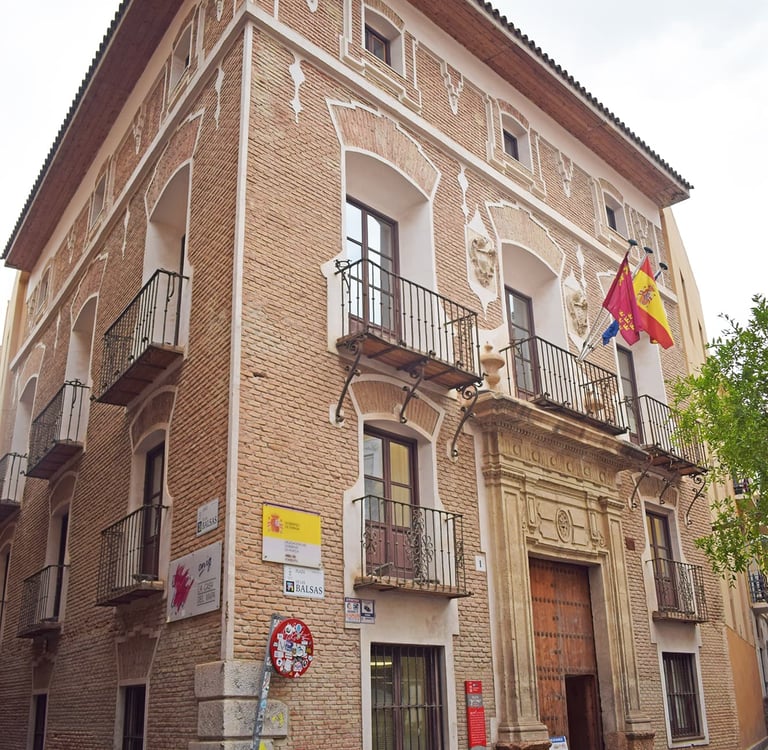
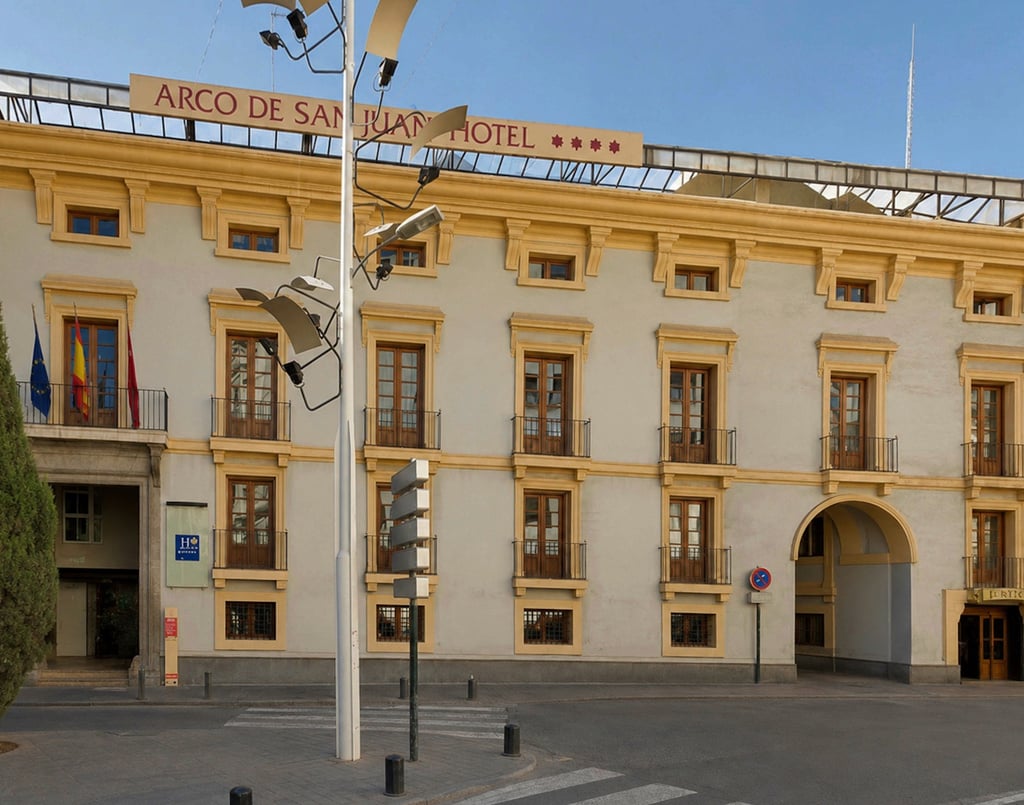
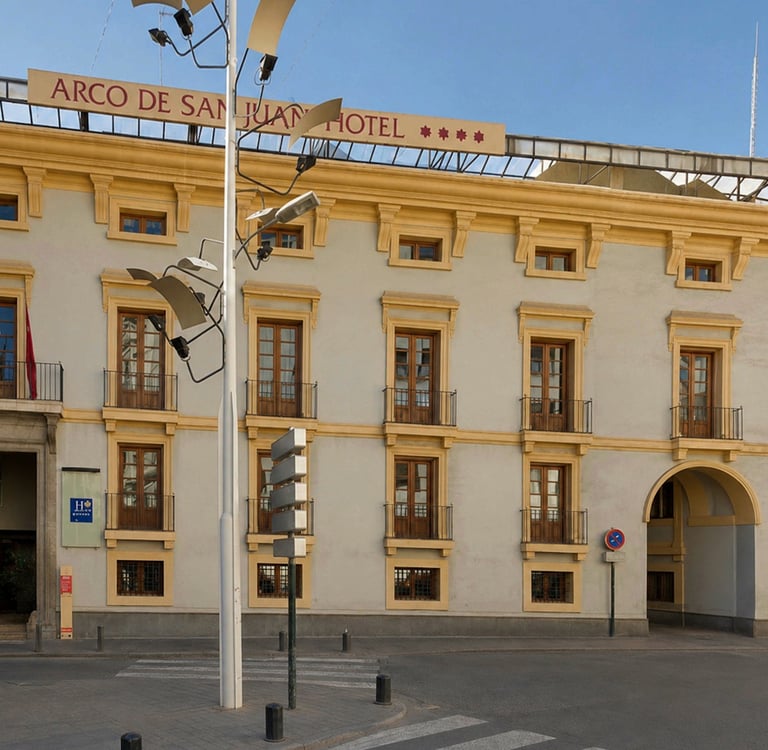
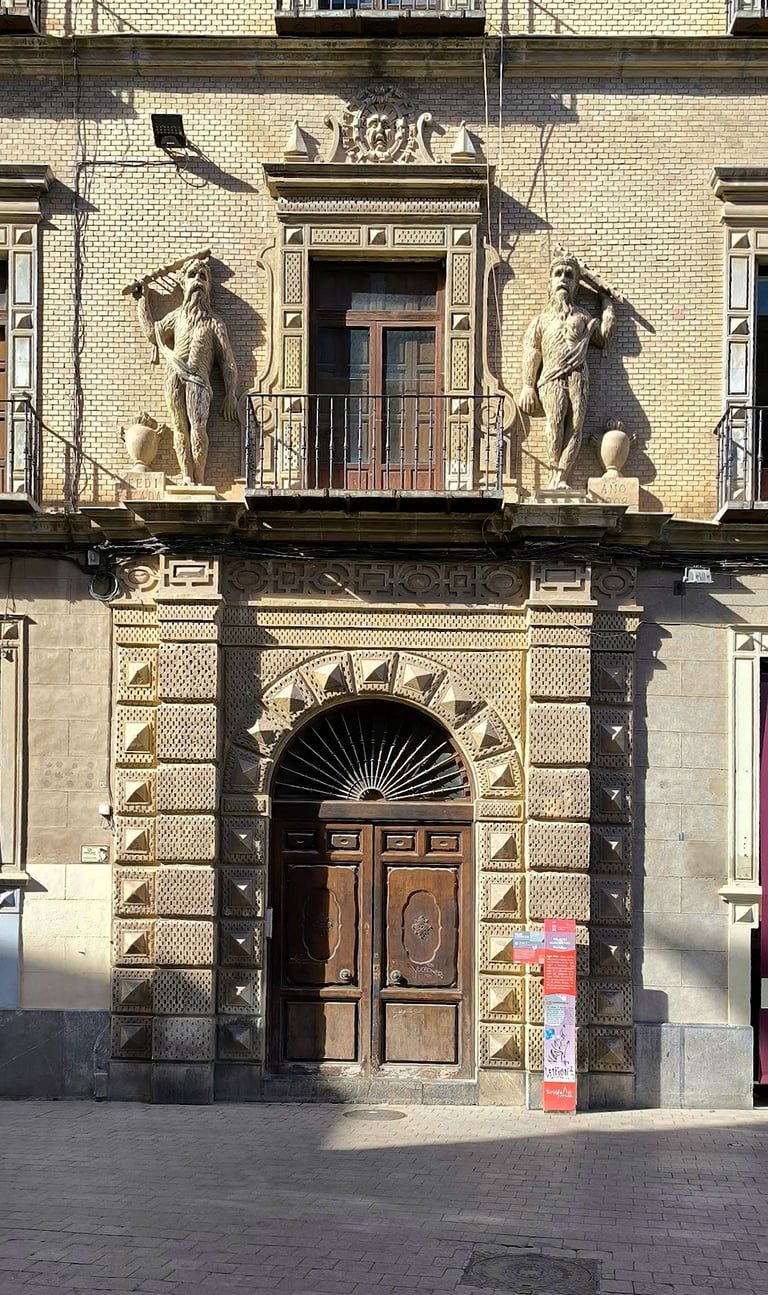
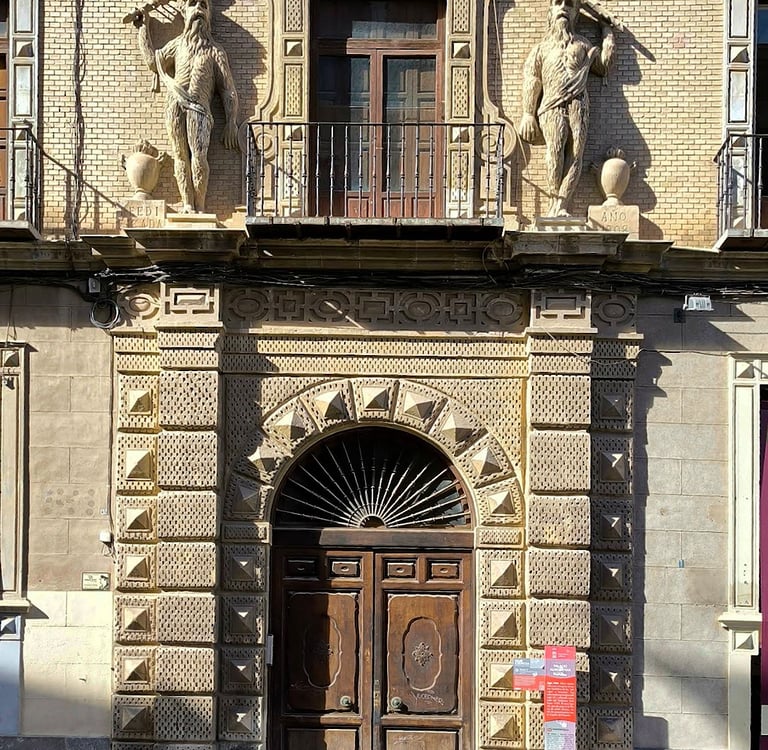
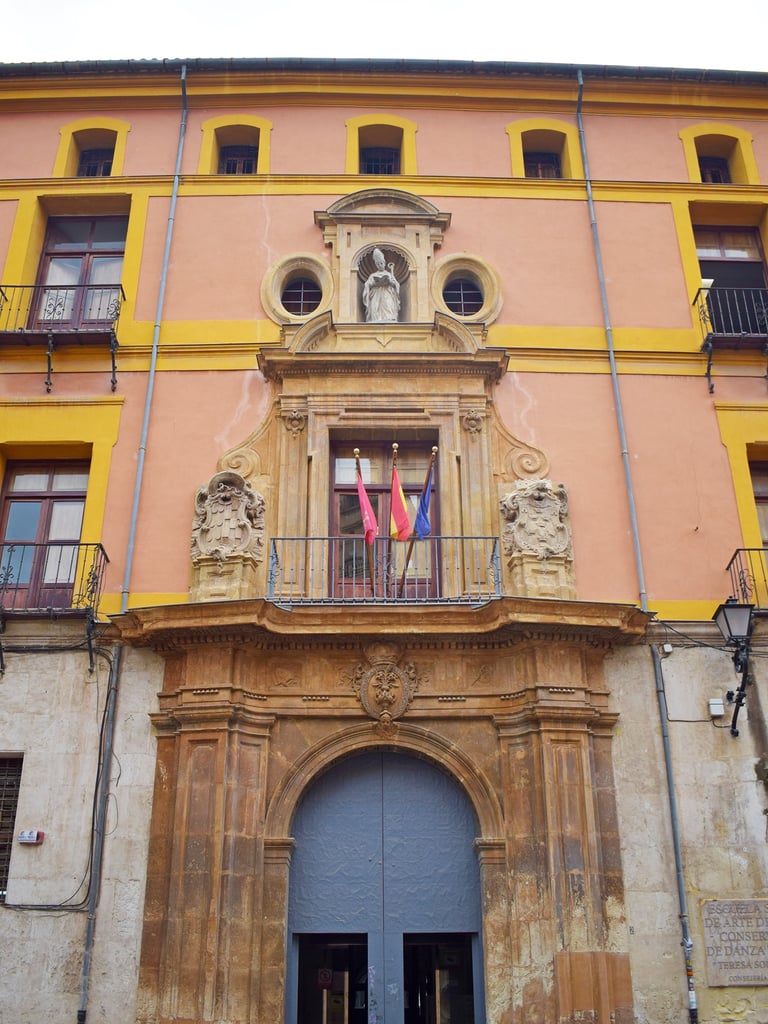
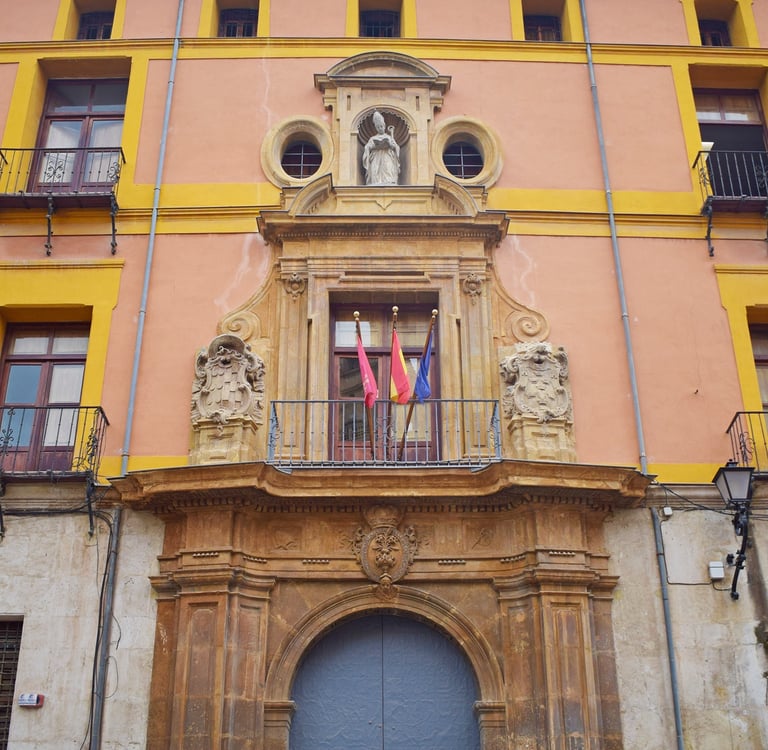
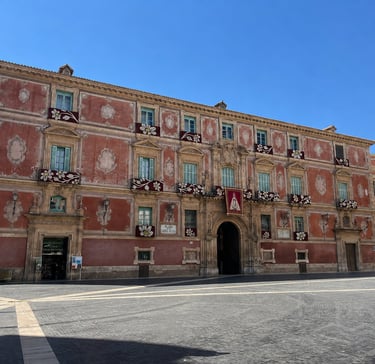
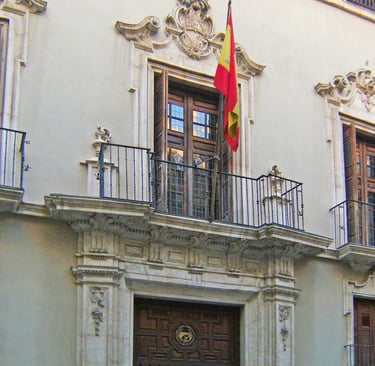
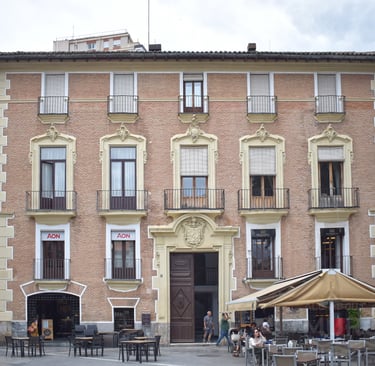
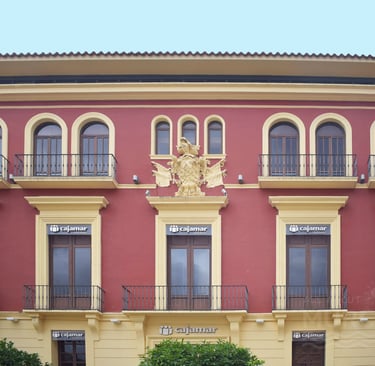
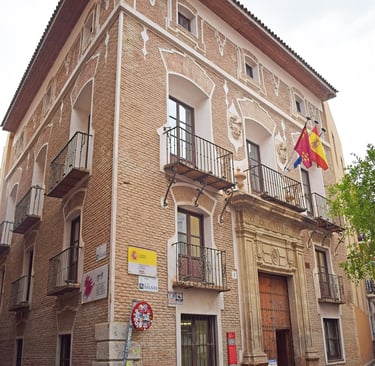
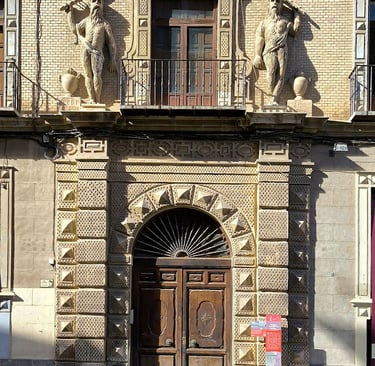
The prosperity that Murcia experienced during the 17th and, above all, 18th centuries was also reflected in civil architecture. The nobility and the most influential families of the city built new residences or transformed their old manorial houses into elegant palaces that became symbols of prestige and power. Monumental facades, heraldic shields, wrought-iron balconies, and refined rococo decorations shaped a valuable ensemble of palatial architecture that still constitutes one of the most outstanding manifestations of Murcian Baroque to this day. Discovering these buildings is to traverse an essential part of the history and artistic splendor of the city.
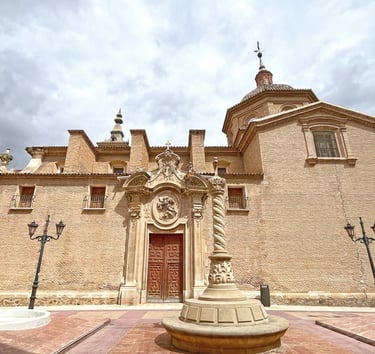
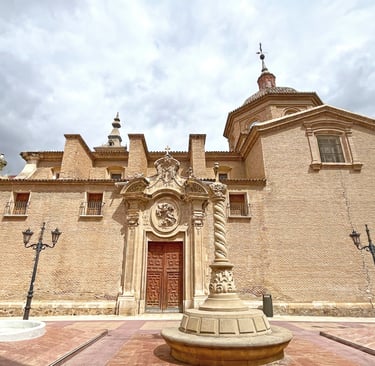
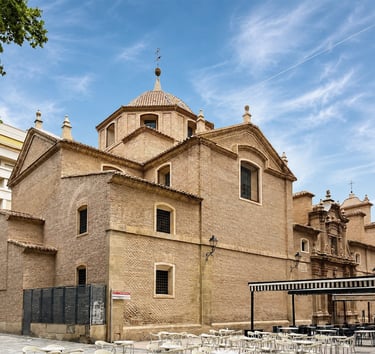
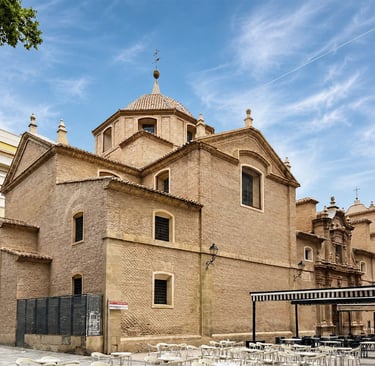
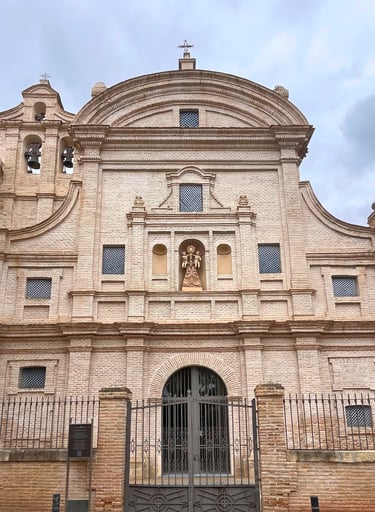
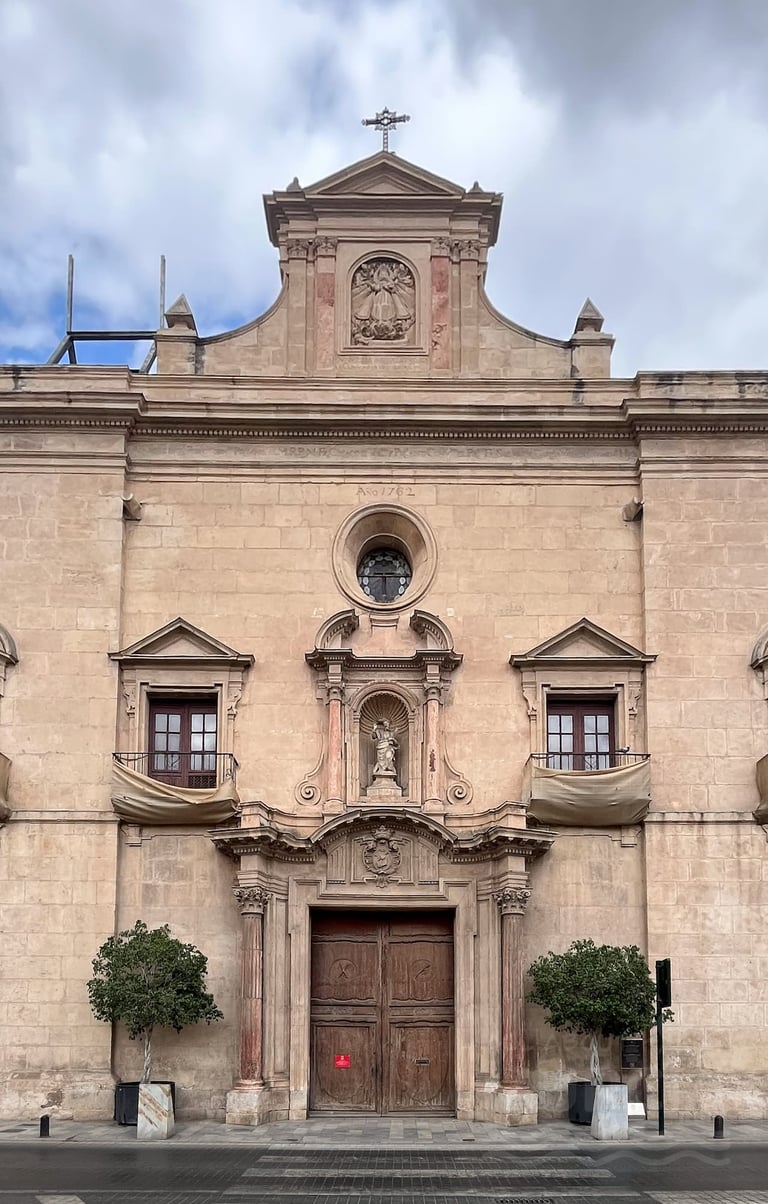
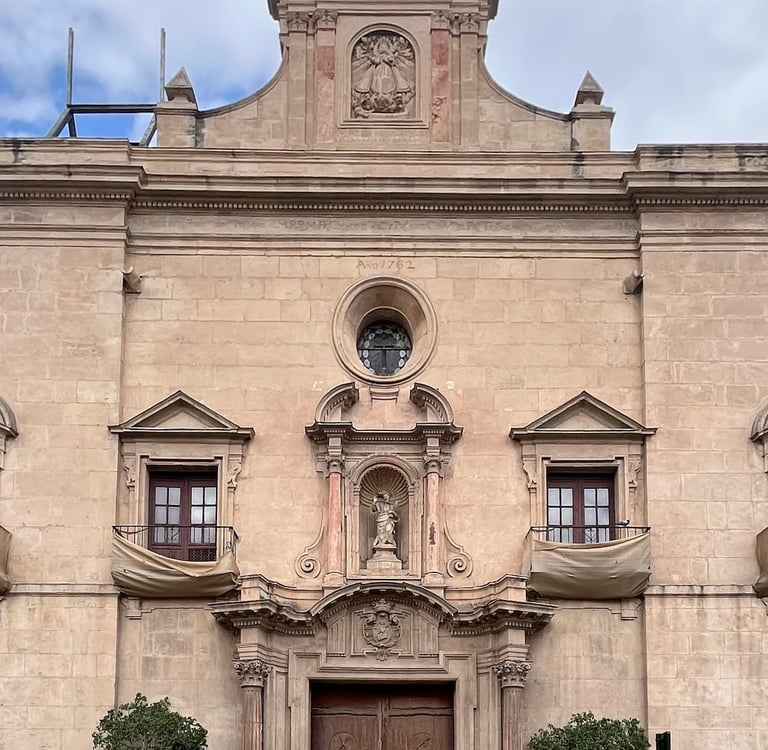
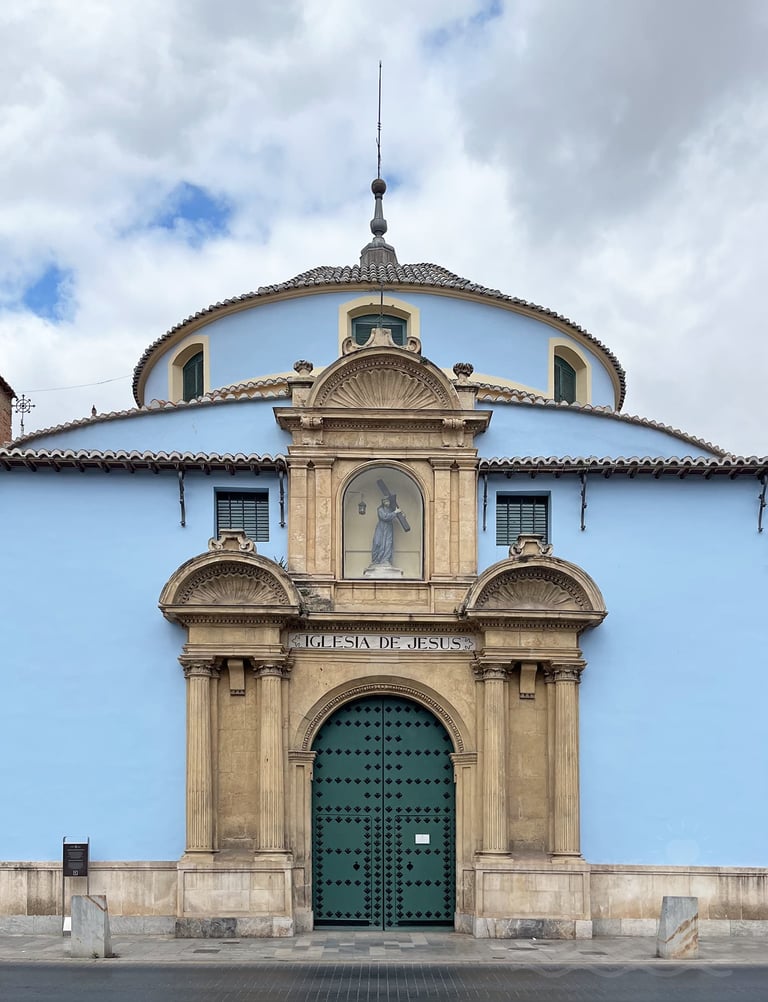
Churches and Convents
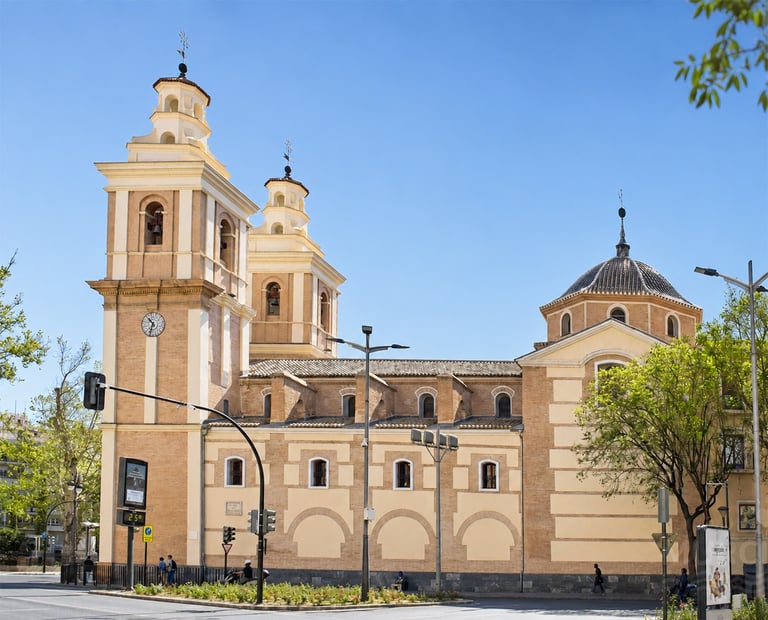
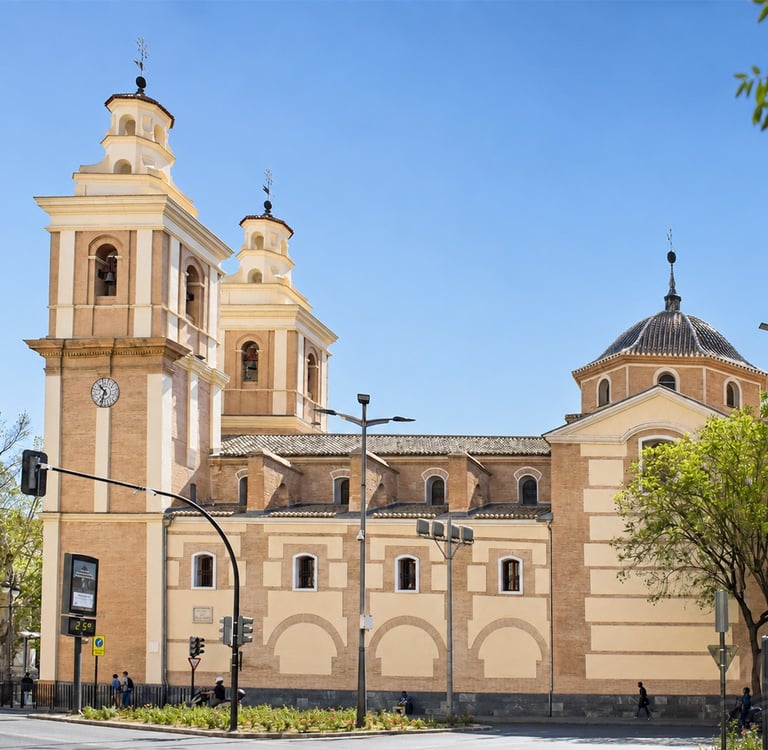
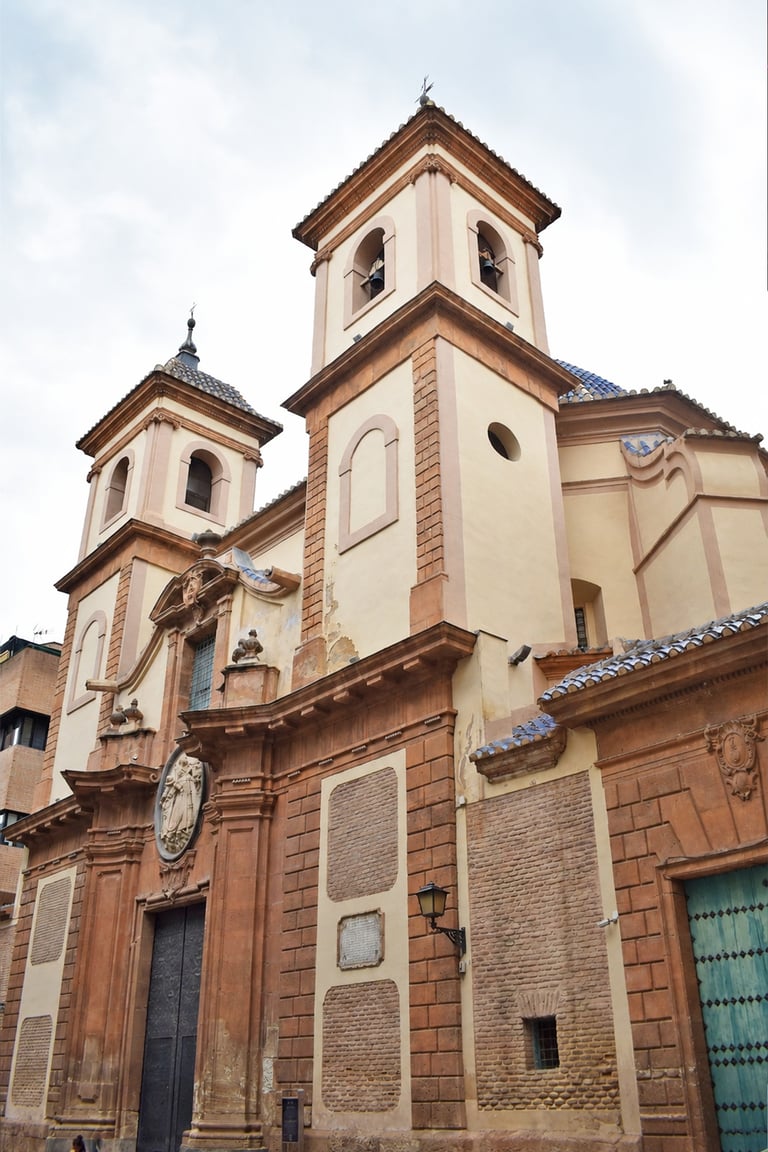
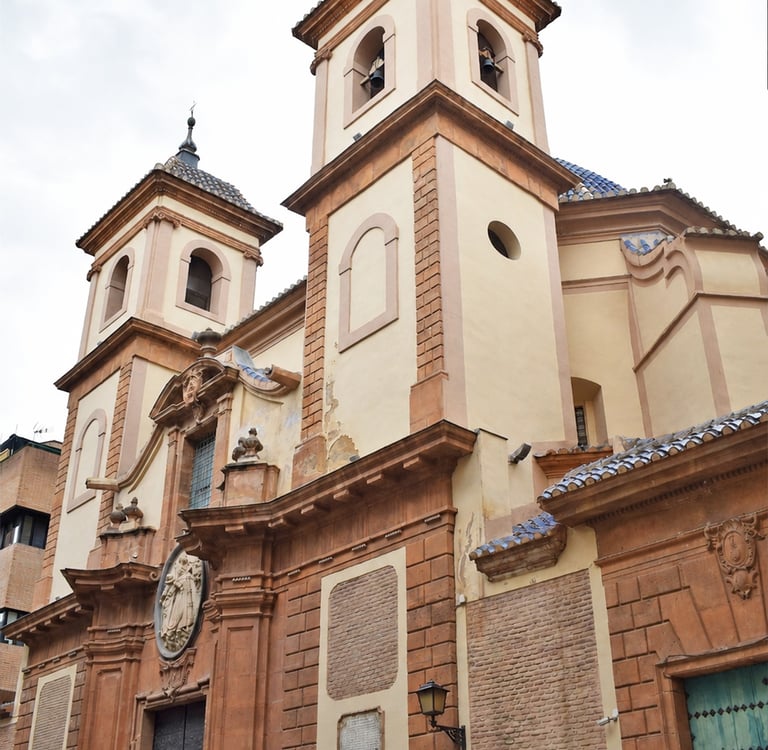
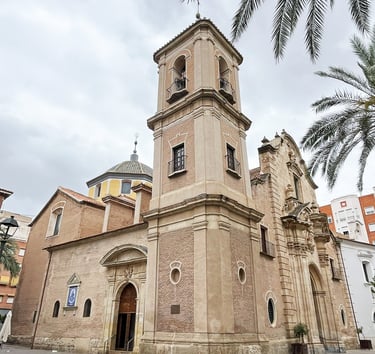
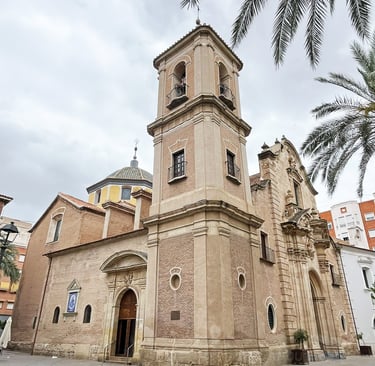
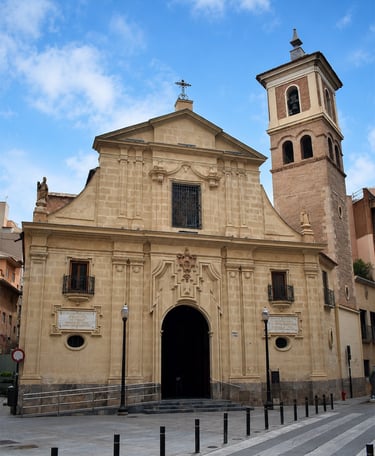
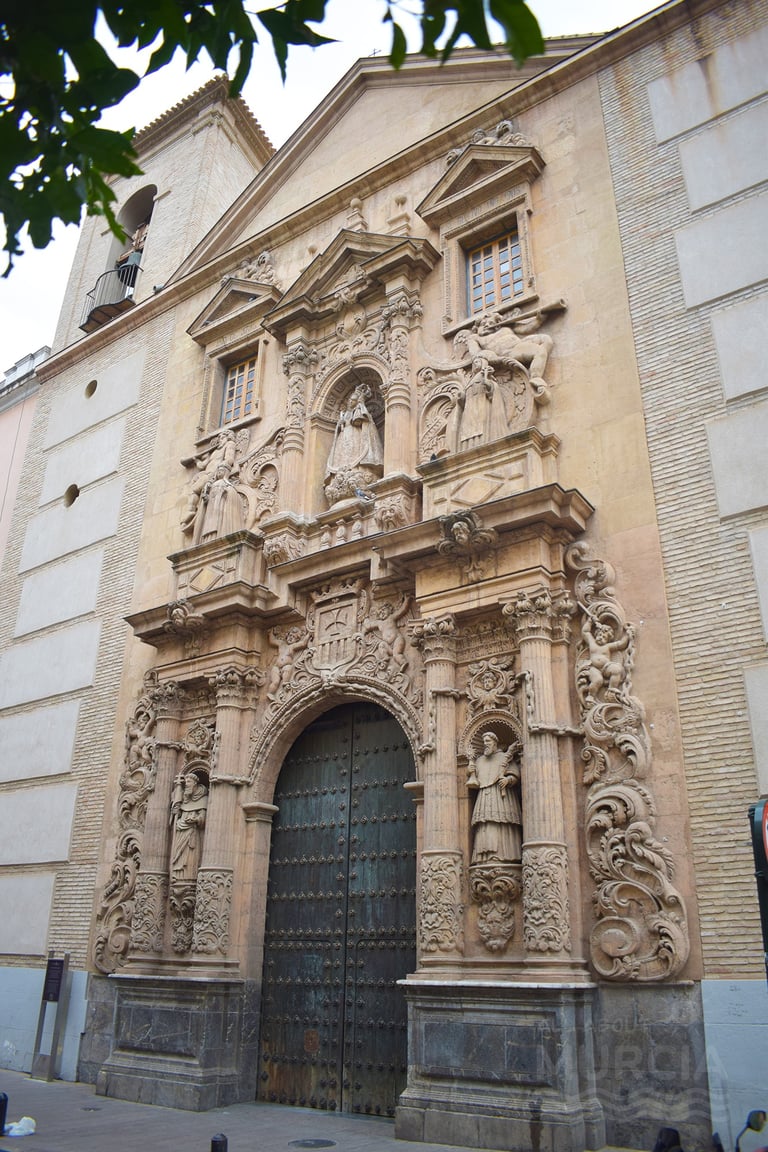
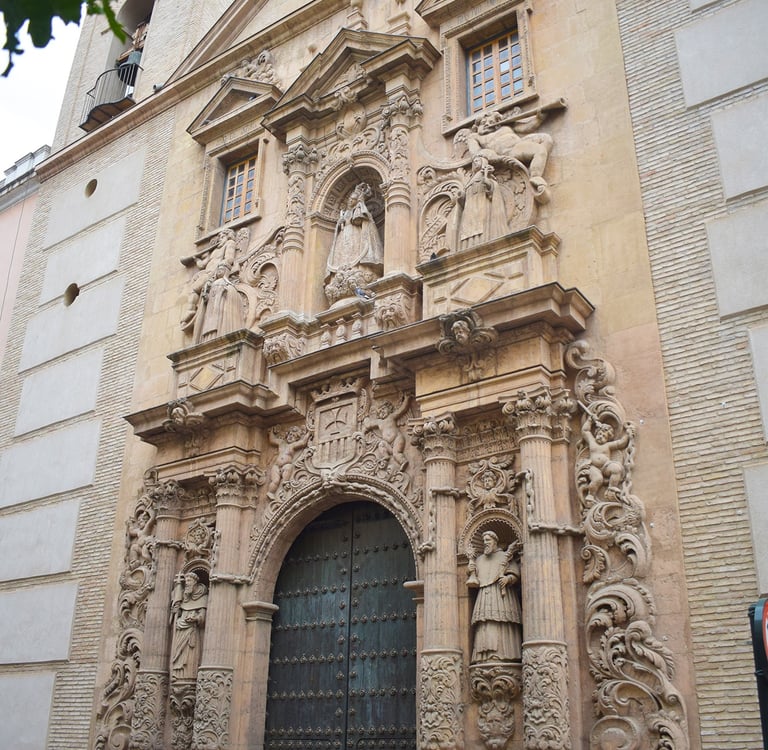
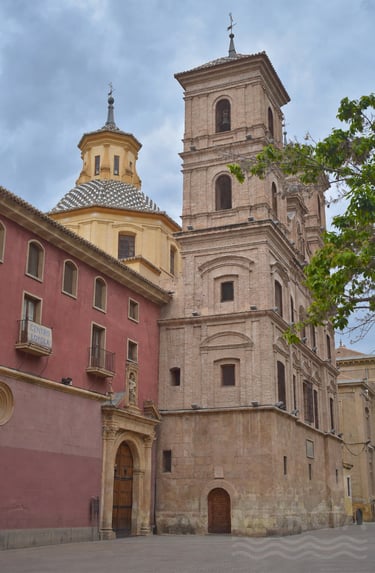
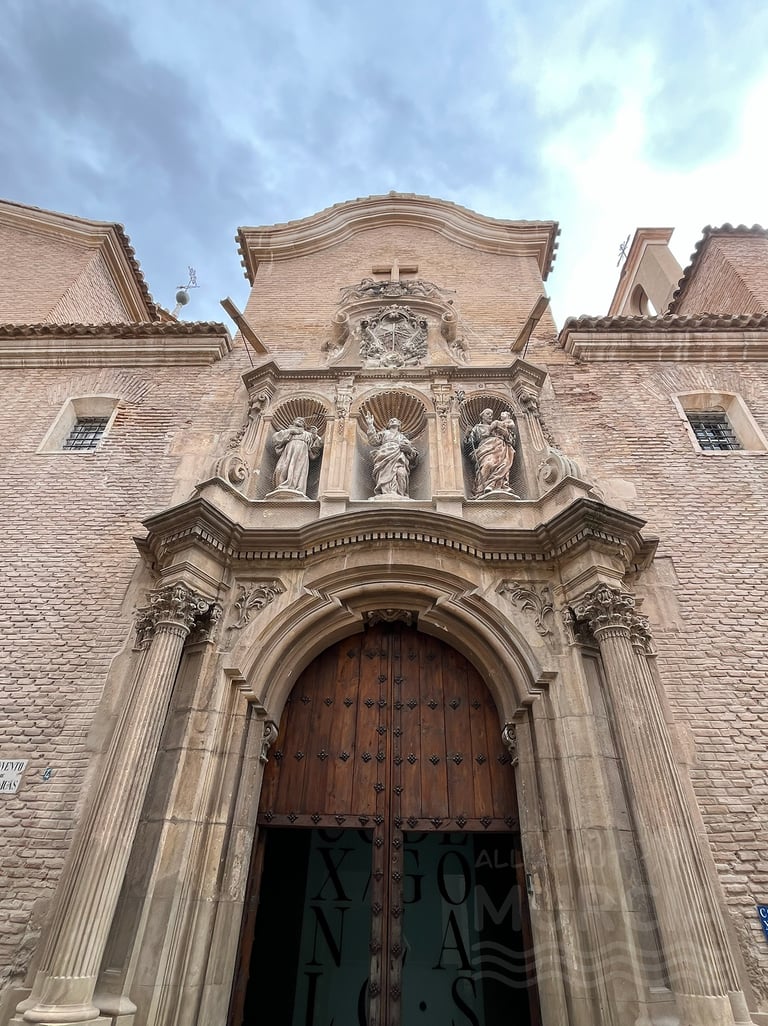
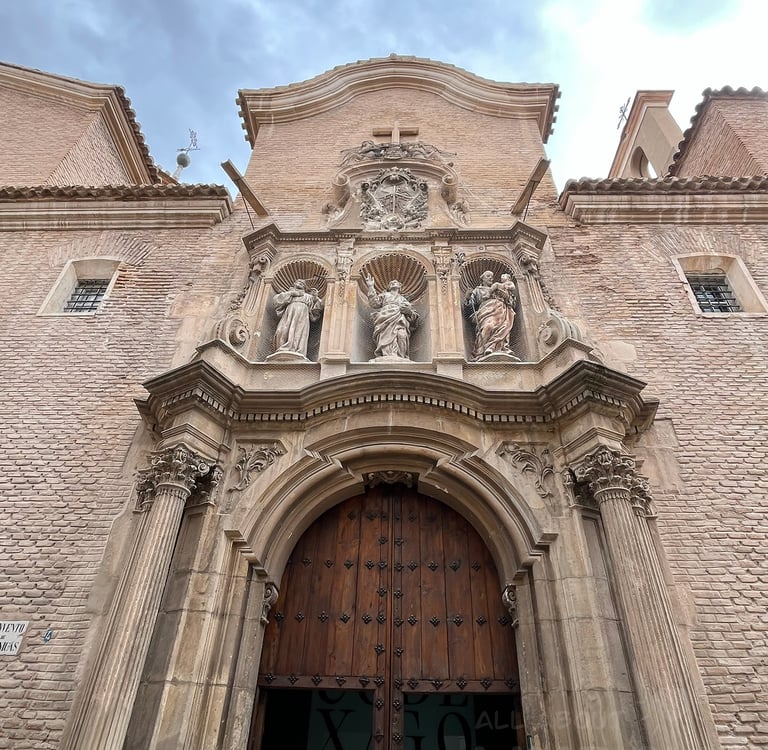
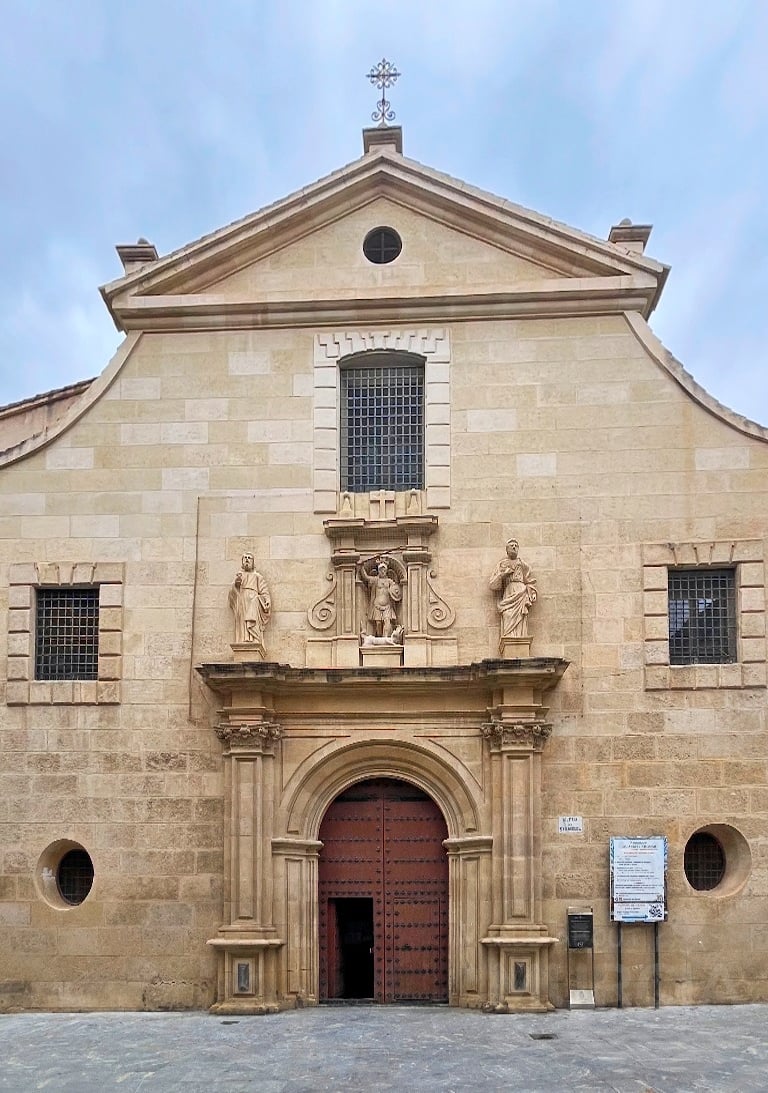
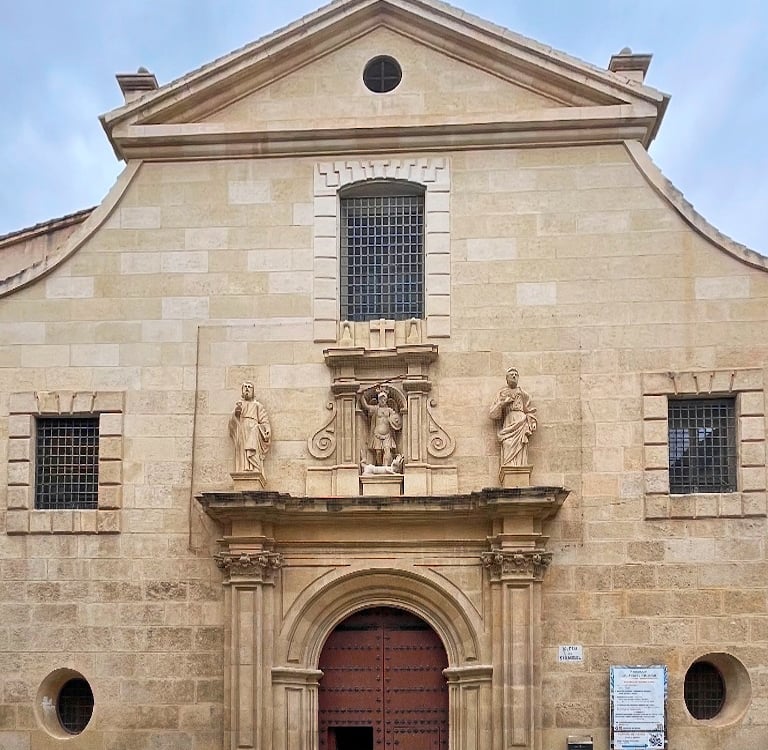
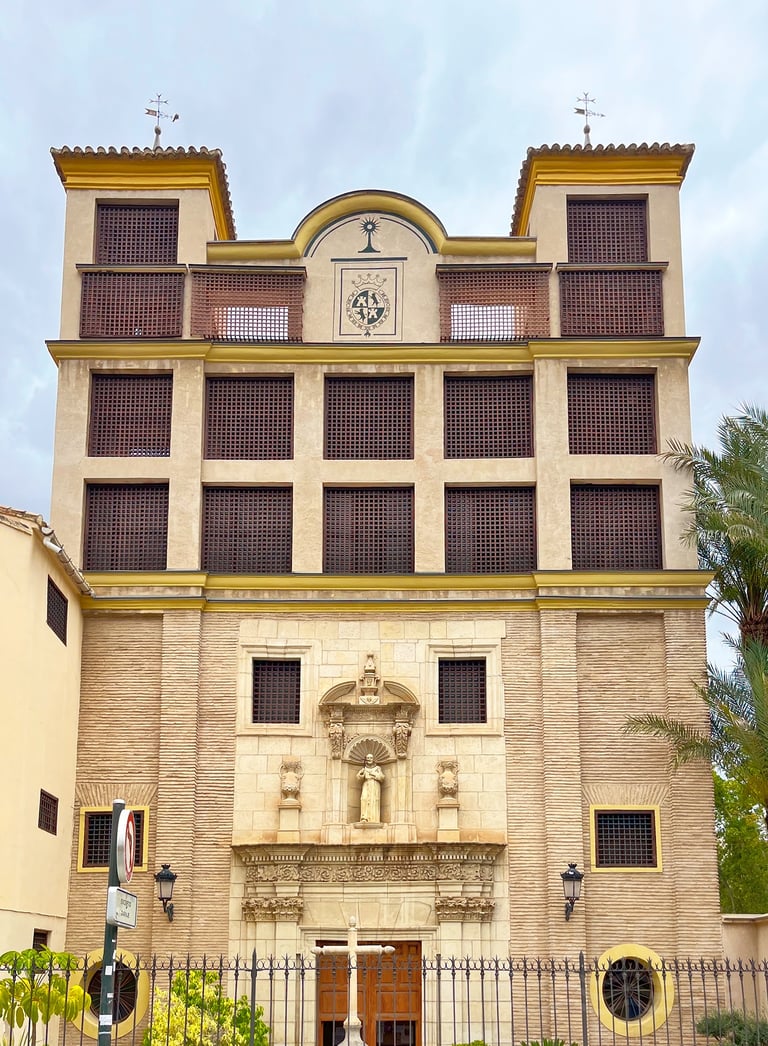
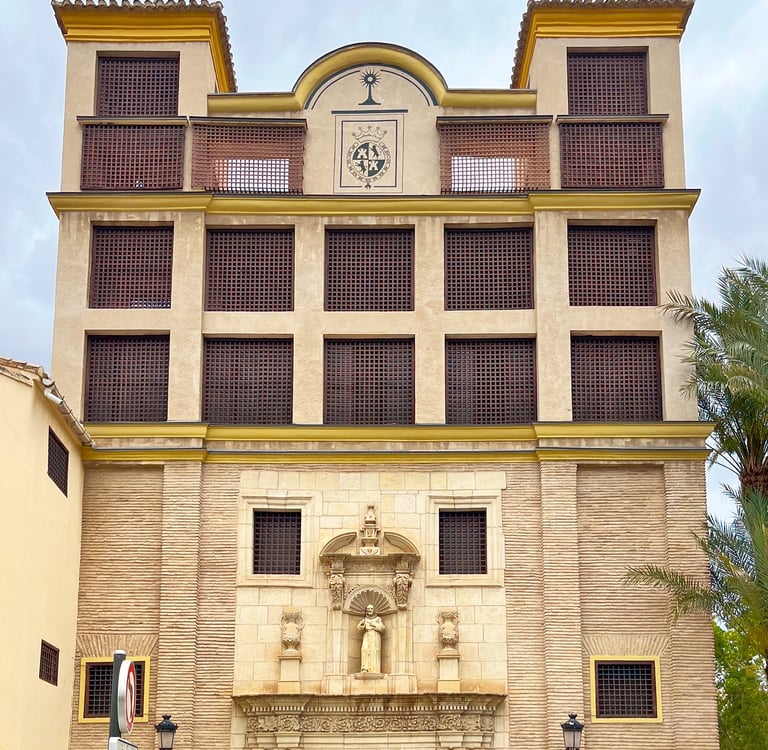
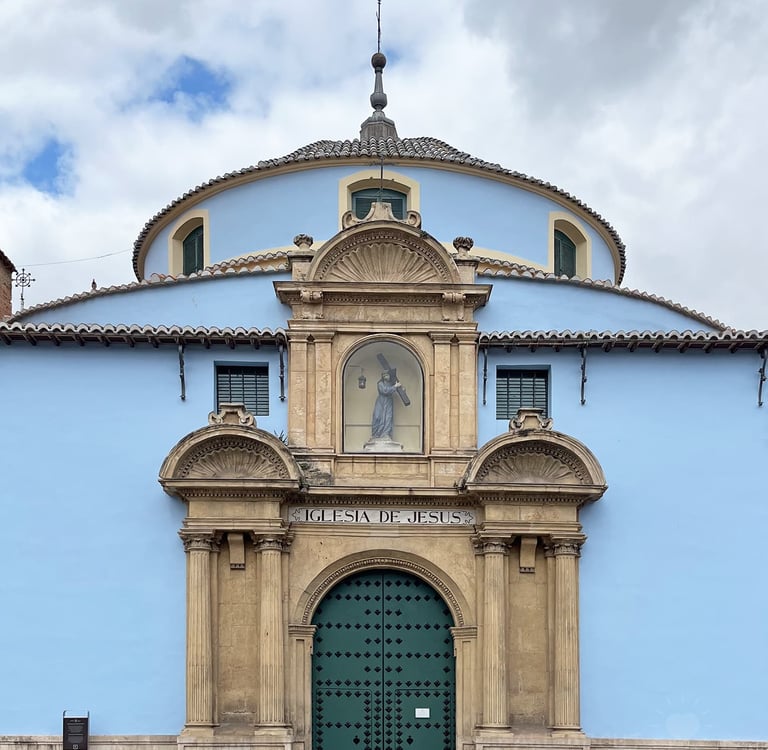
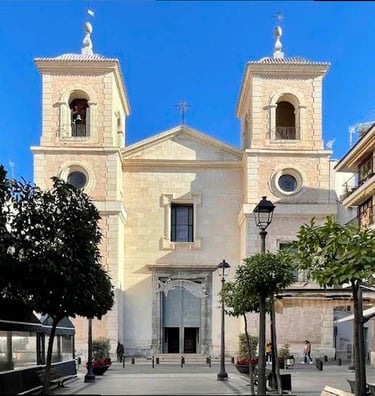
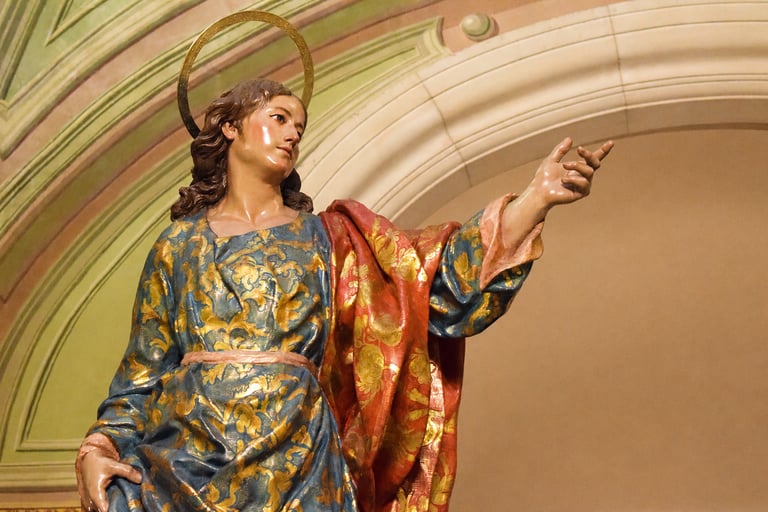
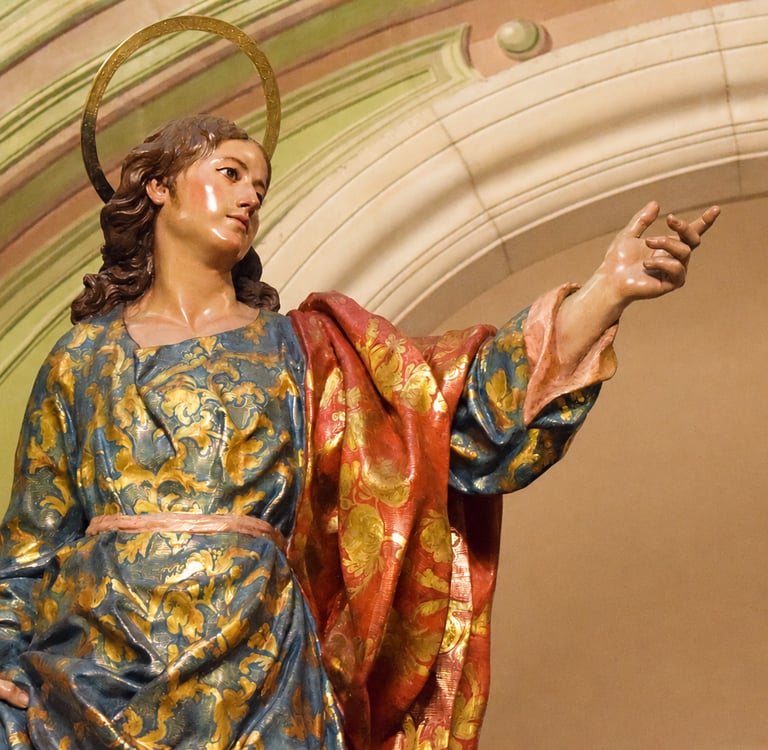
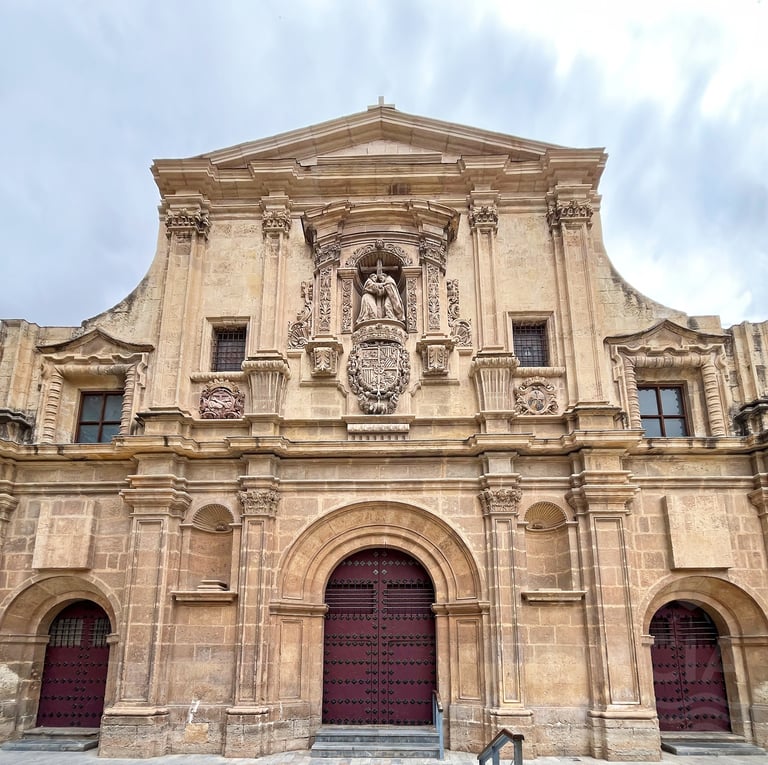
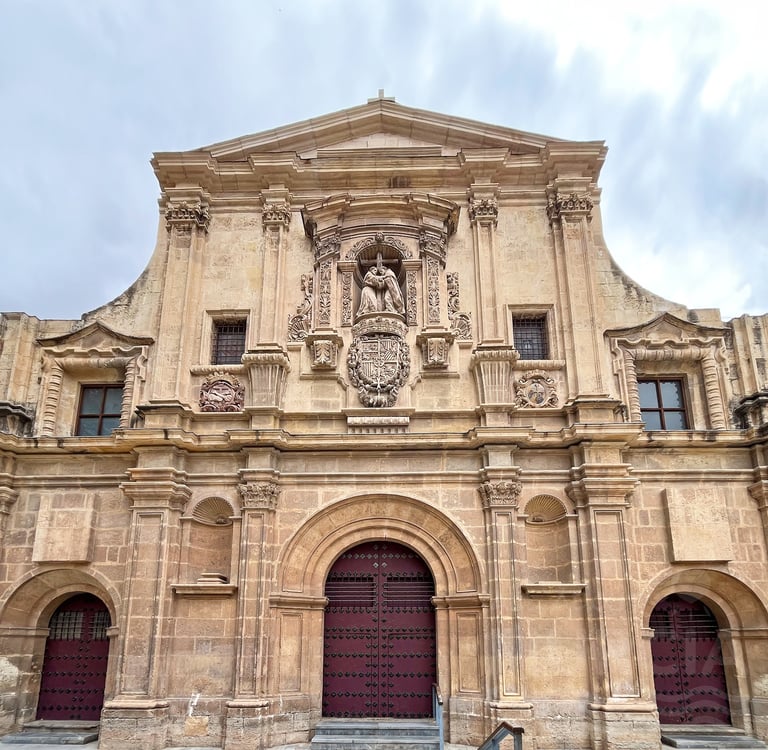
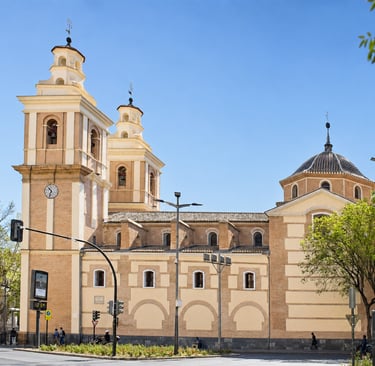
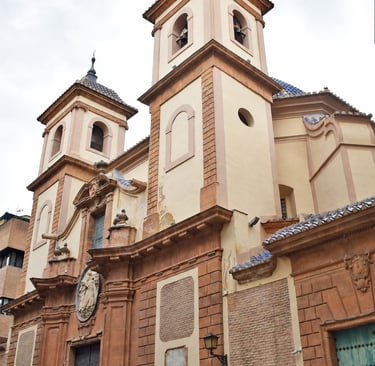
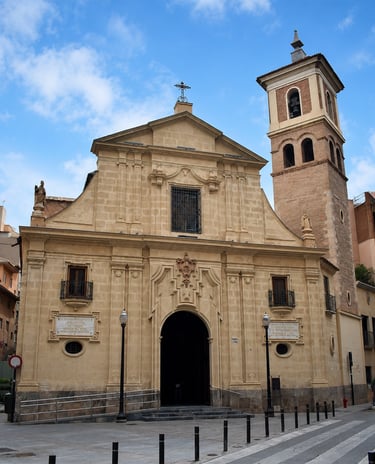
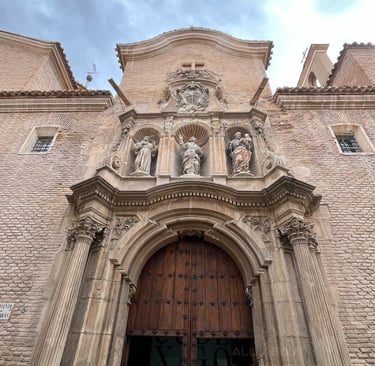
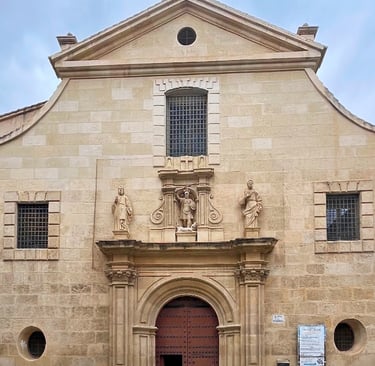
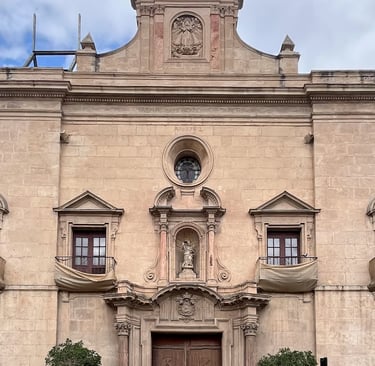
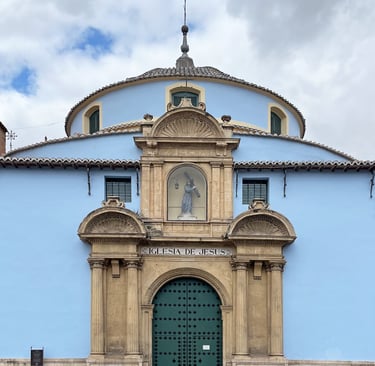
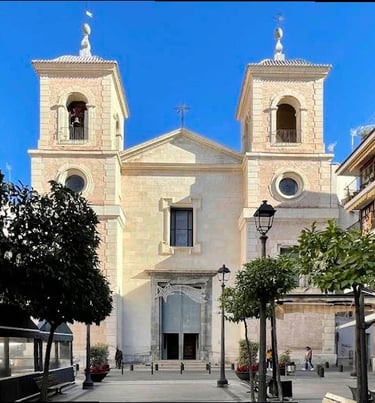
The churches of Murcia form one of the most valuable heritage collections in the city. Parishes and convents preserve the memory of an era in which daily life was deeply connected to religious institutions, and in which art became a powerful tool of spiritual expression. During the 17th and 18th centuries, many of these temples were reconstructed, expanded, or decorated according to the Baroque taste, giving rise to an architecture of vast spaces, luminous domes, and rich ornamental programs. Inside, some of the principal works of Murcian sculpture are also kept, from the creations of Nicolás Salzillo to the immortal images of his son Francisco.
Public Spaces




Colleges


Palaces


Churches


Baroque Sculpture
San Juan Bautista
Guided tour to the Salzillo Museum
This is the best way to get a deeper understanding of the most universal Murcian artist. The sculpture of Francisco Salzillo is among the unquestionable peaks of Spanish Baroque. The Salzillo Museum is the best option to know the most famous works of what is undoubtedly the best sculptor in the history of the Region. With an official tour guide expert in historical heritage.
Tour "The Best of Murcia"
In this tour of about two hours, the most emblematic spaces of Murcia are visited, including some of the fundamental Baroque landmarks, such as the façade of the Cathedral, the Episcopal Palace, or the exterior of the churches of Santo Domingo or San Pedro. The best way to approach the city without missing any of its essentials. With an official tourist guide.
Guided tour of the Cathedral and its museum
The Cathedral of Murcia houses an exceptional Baroque set, both in architecture, with its magnificent main façade, and in sculpture, with the rich collection of its museum. There you can admire outstanding works of Murcia Baroque, including some masterpieces of the genius Salzillo. We encourage you to visit it with an official tourism guide.
Murcia, Baroque city
The city of Murcia preserves one of the most important Baroque architecture ensembles in Spain. During the 17th century and especially the 18th, the former capital of the Kingdom of Murcia experienced a profound transformation that left a trace still visible in its streets, squares, churches, and palaces.
That period coincided with a stage of economic growth largely driven by irrigated agriculture and the silk industry. The production and commercialization of silk turned Murcia into one of the main silk centers in Spain, generating prosperity that allowed for the financing of numerous architectural works, religious foundations, and urban projects. After the economic difficulties of the 17th century, the period of greatest production and creativity is concentrated in the 18th, known as the Murcian golden century. From that time, a splendid display of churches, convents, and palaces is preserved, which continue to be the heart of its historical and artistic heritage today. This period of splendor approximately coincides with the life of Francisco Salzillo (1707-1783), the most famous Murcian artist in history, whose work marks one of the peaks of Baroque sculpture in Spain.
The influence of the Church, local nobility, and civil institutions favored the construction of buildings meant to express power, prestige, and devotion. The result was the creation of an authentic Baroque city. In contrast to the sobriety of earlier periods, architecture now sought movement, theatricality, and emotion. Facades were transformed into large stone stages, interiors were enriched with plasterwork, altarpieces, and plays of light, and urban spaces acquired a new monumental character meant to impress visitors.
Although it received influences from Andalusia, Valencia, Madrid, and Italy, Murcian Baroque developed its own personality, evident in the use of local materials, in the decorative exuberance of many of its facades, and in the close relationship between architecture, sculpture, and urban planning. The main facade of the Cathedral constitutes its most celebrated work, but it is merely one piece of a much larger ensemble that makes Murcia one of the great Baroque cities in Spain.
Belluga Square
Urban planning and city idea during the Baroque
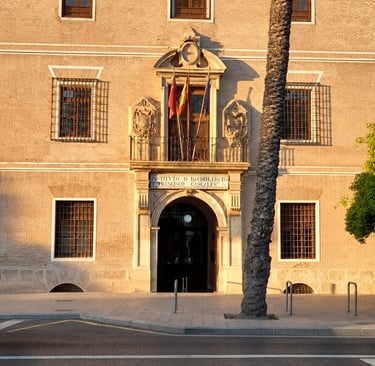
Baroque Murcia was a city in expansion. The economic growth of the 18th century allowed for the opening of new public spaces, improving communications and constructing buildings intended for education, charity, or administration. At the same time, architecture became a tool of representation, creating monumental urban scenarios intended to express the prosperity of the city and the power of its institutions.
Infrastructures and public spaces
Francisco Salzillo and Baroque Sculpture in Murcia
Baroque sculpture is one of the most valuable artistic heritages of the city of Murcia. During the 17th and 18th centuries, churches, convents, and brotherhoods were enriched with an extraordinary collection of devotional images, altarpieces, and processional groups that reflect the artistic splendor achieved by the city at that time. Among all the sculptors who worked in Murcia, the figure of Francisco Salzillo stands out exceptionally, to the point of becoming one of the great masters of Spanish imagery and the main reference in the history of art in the region. The Salzillo Museum, which brings together some of his most famous works, such as the steps of the Brotherhood of Jesus and the famous nativity scene by the sculptor. It is the best place to discover in a single space the richness, sensitivity, and singularity of the Baroque sculpture of Murcia.
Public Spaces


Colleges

Palaces

Churches

Baroque Sculpture
Guided tour of the Salzillo Museum
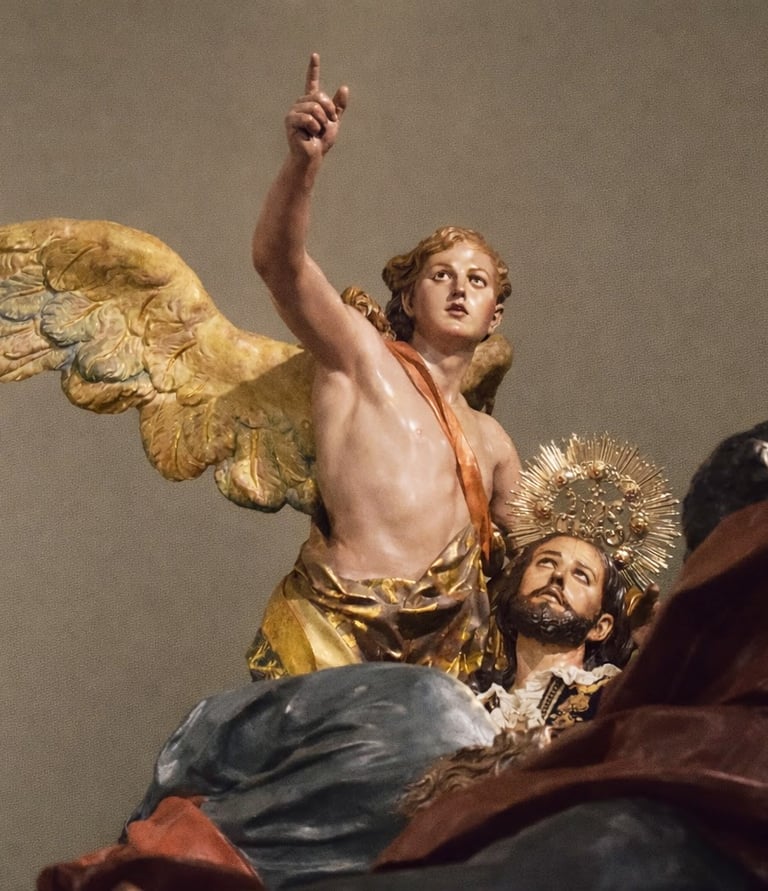
This is the best way to get in depth with the most universal Murcian artist. The sculpture of Francisco Salzillo is among the indisputable peaks of Spanish Baroque. The Salzillo Museum is the best option to know the most famous works of what is undoubtedly the best sculptor in the history of the Region. With an official tourism guide expert in historical heritage.
Tour "The Best of Murcia"
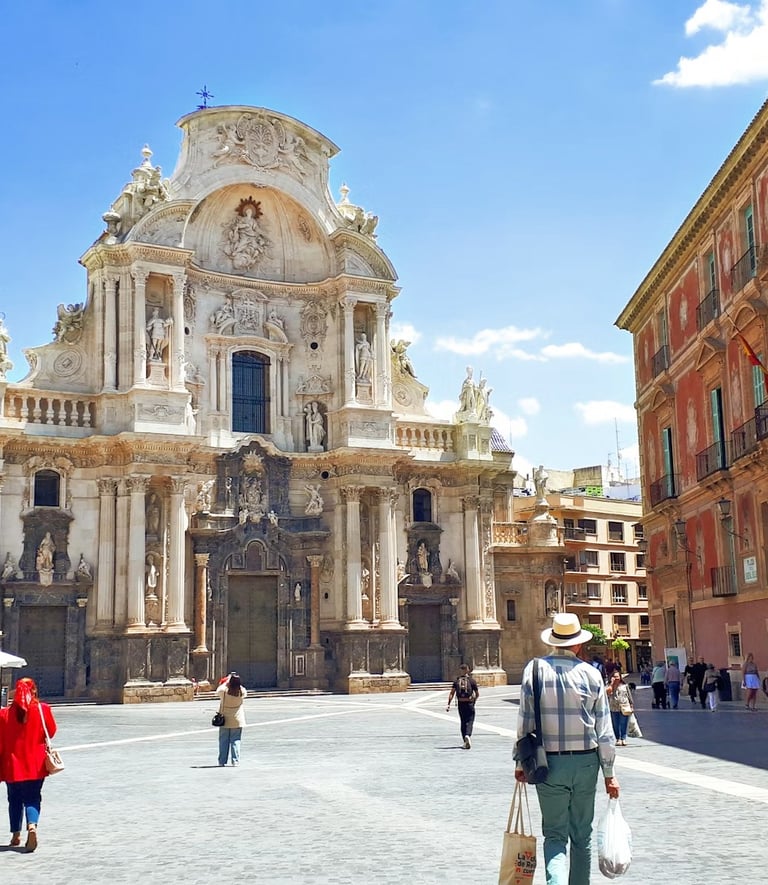
In this two-hour tour, you will visit the most emblematic spaces of Murcia, including some fundamental Baroque landmarks, such as the facade of the Cathedral, the Episcopal Palace, or the exterior of the churches of Santo Domingo or San Pedro. The best way to approach the city without missing any of its essentials. With an official tour guide.
Guided tour of the Cathedral and its museum
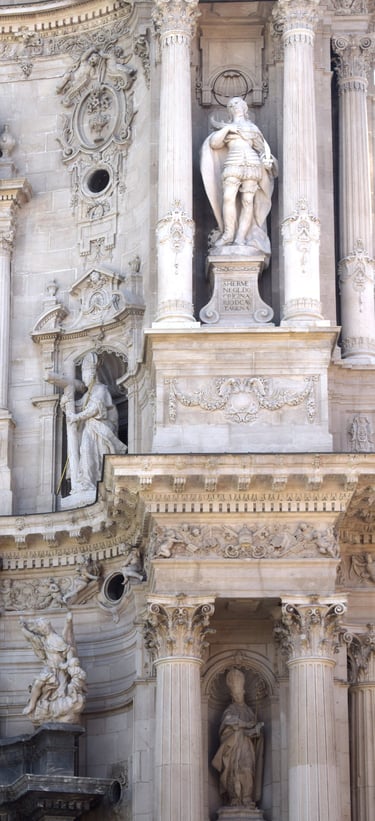
The Cathedral of Murcia houses an exceptional Baroque set, both in architecture, with the magnificent main facade, and sculpturally, with the rich collection of its museum. There you can admire outstanding works of Murcian Baroque, including some masterpieces by the brilliant Salzillo. We encourage you to visit it with an official tourism guide.
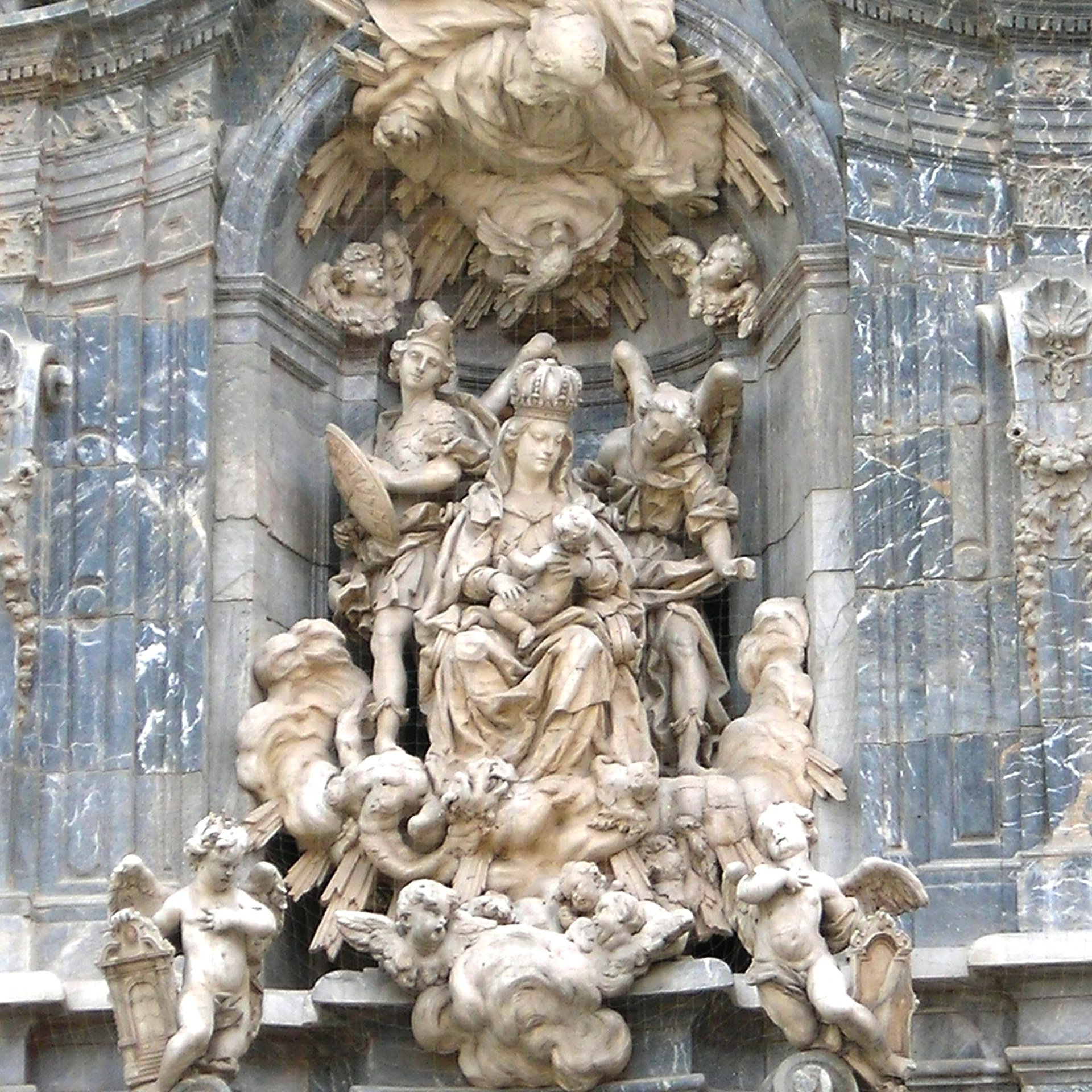
Tour "The Best of Murcia"
The best way to discover some of the buildings and spaces that shaped Baroque Murcia is to walk around the city. In our tour The Best of Murcia, you will get to know some of its main monuments and historical corners guided by an official guide, while you discover the stories and events that have marked the city’s evolution.
Colleges and Schools
Palaces
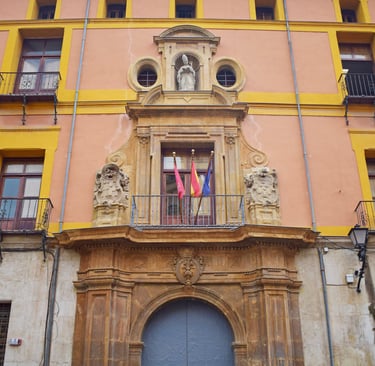
The prosperity that Murcia experienced during the 17th and, above all, 18th centuries was also reflected in civil architecture. The nobility and the most influential families of the city raised new residences or transformed their old country houses into elegant palaces that became symbols of prestige and power. Monumental facades, heraldic shields, wrought-iron balconies, and refined rococo decorations shaped a valuable ensemble of palatial architecture that still today constitutes one of the most outstanding manifestations of Murcian Baroque. Discovering these buildings is to traverse an essential part of the history and artistic splendor of the city.
Churches and convents
The churches of Murcia form one of the most valuable heritage collections of the city. Parishes and convents preserve the memory of an era when daily life was deeply linked to religious institutions and when art became a powerful instrument of spiritual expression. During the 17th and 18th centuries, many of these temples were rebuilt, expanded, or decorated according to the Baroque taste, resulting in an architecture of large spaces, luminous domes, and rich ornamental programs. Inside, some of the main works of Murcian sculpture are also kept, from the creations of Nicolás Salzillo to the immortal images of his son Francisco.
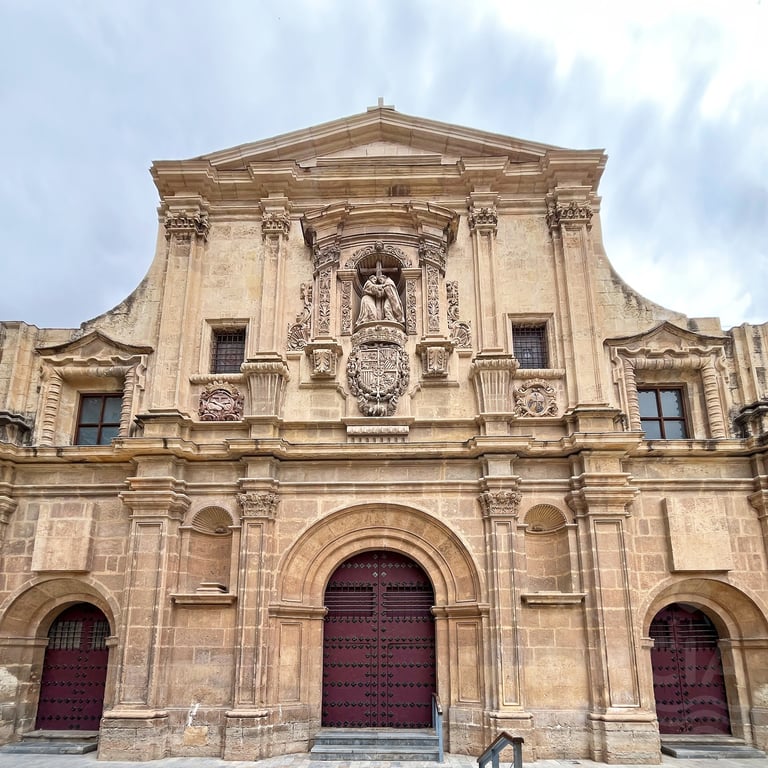
San Juan Bautista